







Why A Quick Glance Isn't Enough
Buying travel insurance often feels like the final, boring checkbox to tick before a holiday. Many travellers simply opt for the cheapest plan or the one bundled with their flight, assuming all policies are created equal. This is a costly mistake. Your
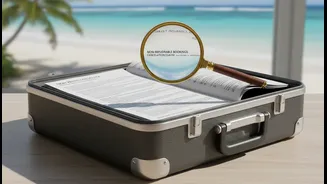
policy is a contract, and in the fine print lie the critical details that determine whether you are truly covered. Waiting until a bag is lost, a flight is cancelled, or a medical issue arises is the worst possible time to discover that your specific situation is excluded. A few minutes of focused reading before you pack can mean the difference between a minor inconvenience and a major financial crisis.
Decoding Your Coverage: What to Look For
A policy document can seem intimidating, but you can focus on a few key areas. Start with the 'Schedule of Benefits', which summarises coverage limits. Pay close attention to Medical Expenses, ensuring the limit is adequate for your destination—medical costs can be extremely high in some countries. Next, review Trip Cancellation and Interruption. Understand what specific reasons are covered, as simply changing your mind won't qualify. Also, check the policy for Baggage and Personal Effects, noting the per-item limit and whether it covers electronics. Finally, look for Personal Liability, which protects you if you are found responsible for injuring someone or damaging property.
The Devil in the Details: Common Exclusions
Every policy has a list of exclusions, and this is arguably the most important section to read. A frequent pitfall is the clause on pre-existing medical conditions. Insurers have a 'look-back' period, often 60 to 180 days, and any condition you've had symptoms of or received treatment for in that time may be excluded. Some policies offer a waiver for this if you buy the plan within a short window of your initial trip payment. Another common exclusion is high-risk activities. If you're planning on skiing, scuba diving, or even trekking, you must verify that these are covered, as you may need to purchase an adventure sports add-on. Also check for exclusions related to civil unrest, pandemics, or travel to destinations with government advisories.
Your Pre-Trip Insurance Checklist
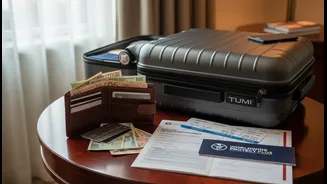
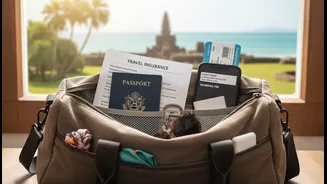
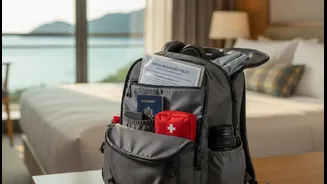
Once you've purchased the right policy, take these simple steps. First, save a digital copy of your policy documents to your phone and email, and consider printing a hard copy. This should include the policy number and the 24/7 emergency assistance phone number. Contacting your insurer immediately in an emergency is often a requirement for a successful claim. Program that number into your phone. Inform a trusted friend or family member back home about your policy details. Lastly, understand what documentation you might need to make a claim, such as receipts, police reports, or communication from an airline, as you'll need to gather these during or after an incident.
Making a Claim: Know the Process
If you do need to make a claim, the process is much smoother if you're prepared. You must notify your insurance provider as soon as possible, sometimes within 24 hours of an incident, to remain eligible for coverage. The insurer's emergency assistance team can guide you on the next steps, such as directing you to an approved medical facility. When filing a claim, you'll need to complete a form and provide supporting documentation. This can include everything from original receipts for lost items to medical reports from a doctor or delay notices from an airline. Be thorough and keep copies of everything you submit.