






From Indulgence to Immunity
For generations, the Indian monsoon has been synonymous with a specific kind of comfort. The cool, damp air and grey skies create an almost Pavlovian craving for all things hot, fried, and indulgent. Think crispy samosas, spicy bhajjis, and countless
cups of adrak wali chai. While these classics remain cherished rituals, a significant shift is underway. An increasing number of people are looking beyond simple indulgence and reframing their monsoon habits through the lens of wellness. It’s no longer just about satisfying a craving; it’s about nourishing the body and boosting immunity during a season notorious for bringing coughs, colds, and sluggishness. This new approach isn't about deprivation, but about addition—supplementing the comforting warmth of tradition with the conscious benefits of modern health wisdom.
The New Monsoon Menu
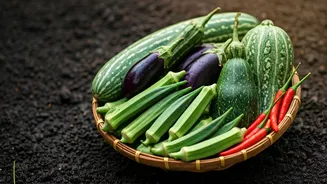
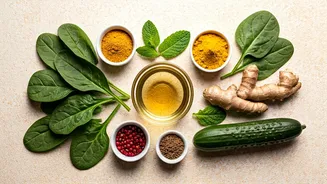
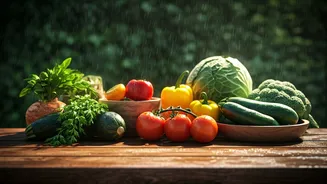
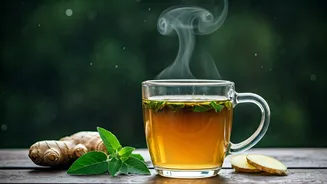
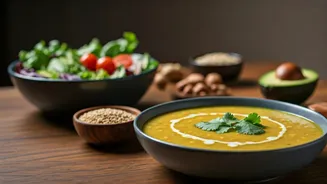
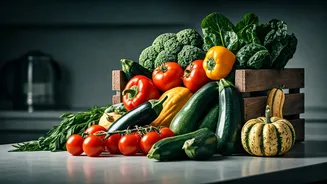
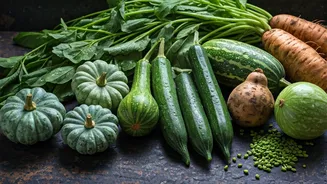
Walk into a hip café or scroll through social media this season, and you'll see the evidence. The monsoon menu has evolved. Alongside the beloved fried snacks, you'll find an array of thoughtfully crafted wellness options. Turmeric lattes, or 'haldi doodh' in its modern avatar, are everywhere, celebrated for their anti-inflammatory properties. Restaurants are offering 'monsoon wellness thalis' featuring seasonal gourds, leafy greens, and light, digestible lentils. Hearty, spiced soups are a major hero. Forget canned tomato soup; we're talking about flavourful concoctions like pumpkin-ginger, lentil and spinach, or the classic South Indian rasam, a tamarind-based broth packed with pepper and other spices known to clear congestion. The humble kadha, a traditional herbal decoction, has also gone mainstream, with cafes brewing their own signature blends of tulsi, ginger, cinnamon, and cloves. The message is clear: comfort food can also be good for you.
Beyond the Plate: Holistic Wellness
This wellness wave extends far beyond the kitchen. The monsoon is now seen as an ideal time for restorative practices that calm the mind and body. Ayurveda has long recommended specific regimens for the rainy season (Varsha Ritu) to balance the body's doshas, which are believed to be aggravated by the humid weather. This ancient wisdom is finding a new, modern audience. Yoga studios are offering 'monsoon wellness' workshops focused on grounding postures and pranayama (breathing exercises) to combat the lethargy that can set in. The practice of Abhyanga, or self-massage with warm sesame or coconut oil, is being popularised as a way to nourish the skin and calm the nervous system. Even aromatherapy is playing a role, with people using essential oils like eucalyptus, tea tree, and lavender in diffusers to purify the air and uplift their moods on gloomy days. It's a holistic approach that acknowledges the connection between our environment and our well-being.
Why the Sudden Shift?
Several factors are driving this trend. The most obvious catalyst is a heightened, post-pandemic awareness of health and immunity. We are all more conscious of how our lifestyle choices impact our ability to fight off infections, and the monsoon is a prime time for seasonal illnesses. Secondly, there’s the powerful influence of global wellness culture, which has been seamlessly integrated with Indian traditions. Instagram and wellness blogs have made concepts from Ayurveda and traditional Indian home remedies accessible and aspirational for a younger generation. Finally, there's a growing desire for balance. People aren't necessarily giving up their beloved monsoon treats, but they are seeking ways to feel good from the inside out. They want to enjoy the season's unique atmosphere without the accompanying feelings of heaviness or guilt. This new wellness-forward approach offers the best of both worlds.