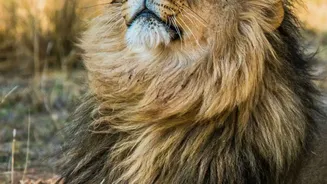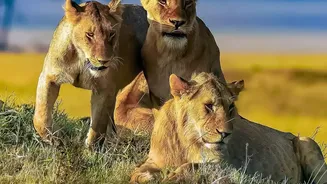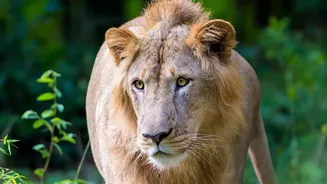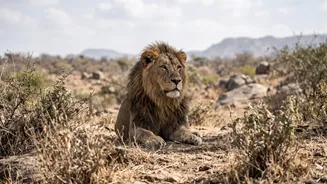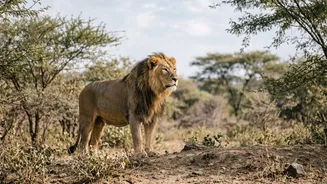





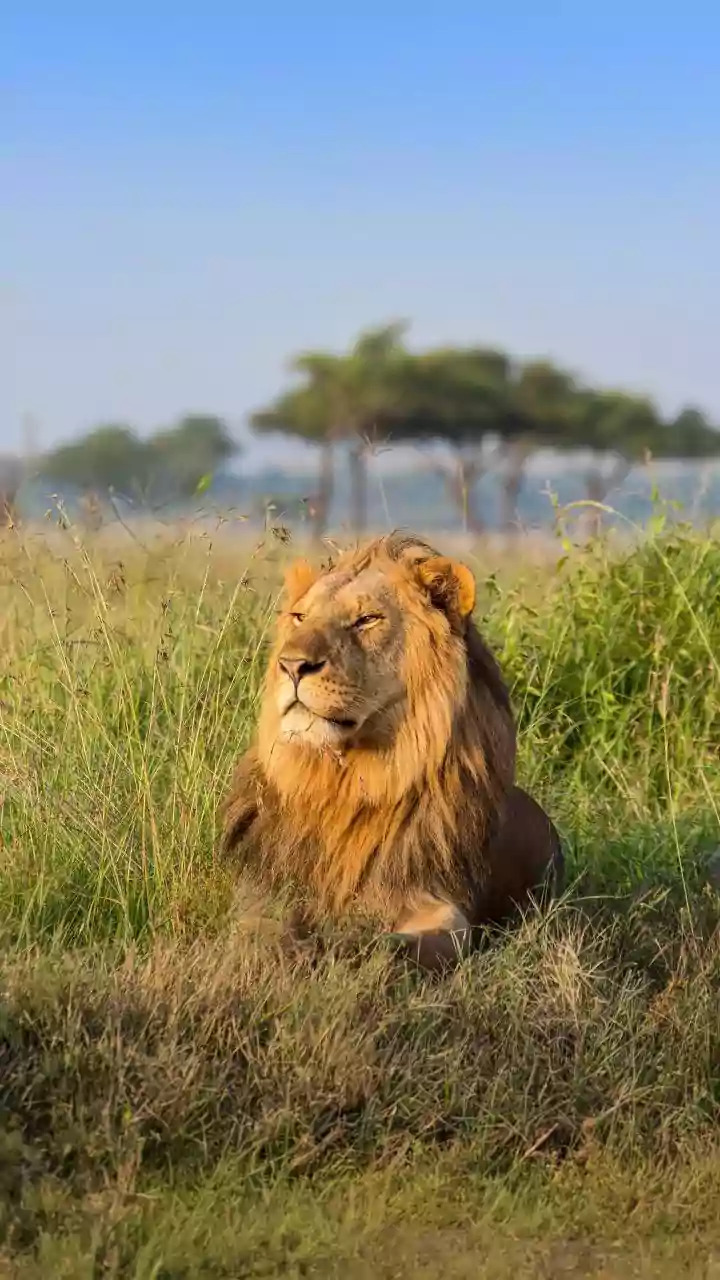
A Historic Return to a Second Home
For decades, the entire wild population of Asiatic lions was confined to the Gir landscape, a situation that conservationists warned was like putting all of one's eggs in a single basket. A single disease outbreak or natural disaster could have been catastrophic
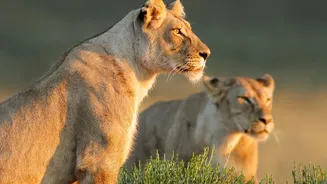
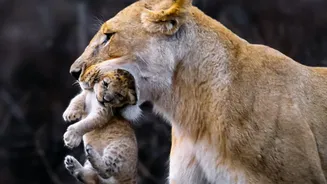
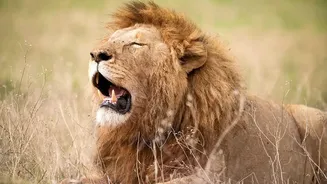
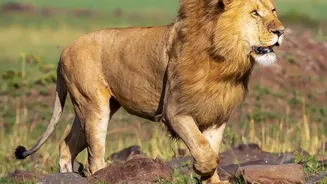
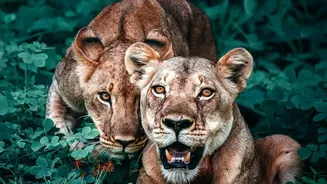
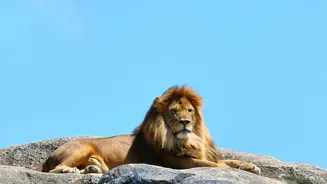
for the species. That long-standing fear is now being addressed. The Barda Wildlife Sanctuary, located about 100 kilometres from Gir, is officially being developed as a second home for these majestic big cats. The process began with the natural dispersal of a male lion into Barda in January 2023, an event that hadn't occurred in 144 years. Following this, the Gujarat Forest Department augmented this pioneer's arrival by introducing five females, kickstarting a new chapter. As of late 2026, the sanctuary is home to a growing population of 17 lions, including adults and cubs.
The Watchful Eyes of the Forest Department
The success of this crucial conservation project hinges on intensive, round-the-clock monitoring by the Gujarat Forest Department. This isn't a passive watch; it's a dedicated scientific endeavor. A team of eight full-time lion trackers has been deployed to follow the animals' movements and monitor their health daily. To get a more detailed picture, six of the lions—the original male and the five introduced females—have been fitted with radio collars. Between January 2023 and July 2025, these collars generated over 169,000 GPS locations, providing invaluable data on how the lions are adapting to their new environment. This information helps researchers understand their habitat preferences, social interactions, and home range establishment, all of which are vital for managing Barda as a sustainable second population centre.
Preparing the Sanctuary for its New Residents
Making Barda a viable home required more than just introducing lions. A key part of the strategy involves ensuring a sufficient prey base. To that end, the forest department has been actively strengthening the herbivore population. In 2025-26 alone, 441 chitals (spotted deer) were translocated from Gir to Barda. This is in addition to long-term efforts since 2007 to release captive-bred spotted deer and sambar into the sanctuary. A recent study confirmed that these efforts are paying off, with the sanctuary's forests and grasslands deemed suitable to support a long-term lion population. The sanctuary itself, spanning 192.31 square kilometres across the Porbandar and Devbhumi Dwarka districts, has also undergone habitat restoration work, including the removal of invasive species and the development of grasslands to create a thriving ecosystem.
Why This Matters for the Future of Lions
This initiative, a key part of the national 'Project Lion', is more than just a local success story; it's a critical step in securing the long-term survival of a species found only in India. Concentrating a species in one area makes it incredibly vulnerable. By establishing a geographically separate population in Barda, officials are creating a crucial buffer. While some experts note that Barda's proximity to Gir might not be the ideal buffer against diseases, it represents a significant and practical step forward after years of debate over translocation. The project also addresses the issue of Gir becoming overcrowded, with a 2020 count showing 674 lions in the region and many spilling out into human-dominated landscapes. Barda provides a protected space for this expanding population.