





The Daily Desk Lunch Dilemma
Packing a lunch for work often feels like a chore. Hectic mornings, long commutes, and the sheer effort of planning can make takeout or canteen food seem like the only viable option. However, this convenience comes at a cost—both to your wallet and your health.
Daily outside meals can be expensive and often lack the nutritional balance your body needs to power through the afternoon. This is where the wisdom of seasonal eating comes in. By aligning your meals with nature's calendar, you can tackle the challenges of cost, health, and variety in one simple, effective strategy. It’s a return to a traditional Indian practice that modern life has made more relevant than ever.
Why Seasonal Always Wins
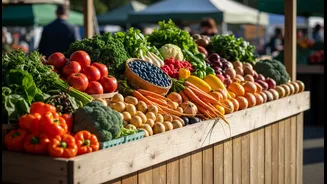
Choosing seasonal vegetables offers a trio of compelling benefits. First, it's significantly cheaper. When a vegetable is in season, it is abundant, leading to lower prices at your local mandi or market—often 20-30% less than supermarket prices for out-of-season produce. Second, it's more nutritious. Vegetables that are picked at their peak of ripeness contain the highest levels of vitamins and antioxidants. Out-of-season produce, which is often transported long distances or grown in artificial conditions, can lose a significant amount of its nutritional value. Finally, it simply tastes better. A carrot in winter or a bhindi in summer, when they are meant to be eaten, are more flavourful and have a superior texture.
Your Monsoon & Winter Vegetable Guide
The cooler, wetter months bring a bounty of robust and leafy vegetables. During the monsoon (June-September), look for gourds like lauki (bottle gourd) and karela (bitter gourd), along with corn, bhindi (okra), and cluster beans. As winter (October-February) sets in, the market fills with a vibrant array of greens and root vegetables. This is the best time for spinach (palak), fenugreek (methi), mustard greens (sarson), cauliflower, carrots, and fresh peas. These vegetables are perfect for hearty curries, warming soups, and nutritious parathas that are easy to pack for lunch.
Your Summer Vegetable Guide
As the temperatures rise from March to May, the available produce shifts to vegetables that are light and have high water content, perfect for staying hydrated. This is the prime season for vegetables like cucumber, pumpkin (kaddu), and a variety of gourds including ridge gourd (tori) and ivy gourd (tindora). Summer is also when you'll find the best drumsticks, brinjal (eggplant), and raw mangoes, which can be used to add a tangy twist to dals and chutneys. These vegetables are ideal for lighter stir-fries (sabzis), raitas, and cooling side dishes that won't feel heavy during a workday.
From Market to Tiffin: Simple Meal Ideas
The key to a successful office lunch is simplicity and portability. Turn your seasonal buys into easy meals you can look forward to. In winter, use carrots, peas, and cauliflower for a quick vegetable pulao. Fresh methi can be kneaded into thepla dough for a lunch that needs no reheating. In summer, a simple bhindi stir-fry or a lauki sabzi pairs perfectly with rotis. You can also make a large batch of dal and simply change the vegetable tempering (tadka) based on what’s seasonal. A mixed vegetable curry, using whatever is fresh, is another versatile option. These one-pot meals and simple combinations save time and ensure you have a balanced plate.
Smart Shopping and Prep Tips
To make this a sustainable habit, a little planning goes a long way. Dedicate some time on the weekend to meal prep. You can wash and chop vegetables like carrots, beans, and cauliflower and store them in the fridge. Preparing a base onion-tomato masala or boiling legumes like chickpeas and rajma in advance can drastically cut down your cooking time on weekdays. When shopping, try to visit your local weekly market (haat) for the freshest produce and best prices. Buy only what you need for the week to avoid waste. This small investment of time on a Sunday can lead to stress-free, healthy, and affordable lunches all week long.