


More Than Just a Special Menu
When you book a table for a festival meal today, you’re signing up for more than just food. Restaurants are curating holistic cultural experiences. For Onam, this means an elaborate, multi-course Sadhya served on a traditional banana leaf, with some fine-dining
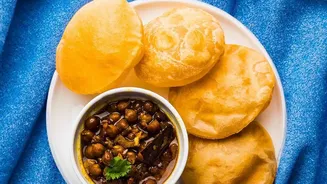
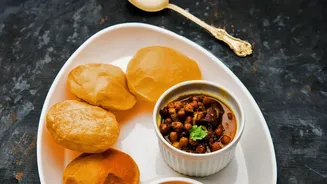
establishments in Bangalore and Delhi offering over 25 distinct dishes. Similarly, during Durga Puja, eateries in Mumbai and Kolkata recreate the ambience of a Puja pandal, complete with themed decor and authentic Bengali delicacies like kosha mangsho and luchi. These are not just meals; they are ticketed events, often with fixed time slots that sell out weeks in advance. From luxury hotels to standalone specialty restaurants, the focus is on creating a memorable, sensory experience that captures the essence of the festival through food, atmosphere, and community.
A Taste of Home, Elevated
For a growing number of urban Indians, especially those living away from their hometowns, these dining experiences offer a powerful connection to their roots. Replicating a 28-item Onam Sadhya or an elaborate Durga Puja bhog at home is a daunting task. Restaurants fill this gap by providing an authentic, high-quality alternative without the immense effort. They source hyper-local ingredients and bring in specialised chefs to ensure the flavours are genuine. This trend caters to a diner who is not just hungry, but also nostalgic. It’s a chance to share a tradition with family and friends, or introduce it to a new generation, in a setting that is both celebratory and convenient. As a result, festival weeks see a significant spike in footfall, with some restaurants reporting a 20-25% increase.
The Business of Celebration
From a restaurant's perspective, this trend is a strategic business decision. In a highly competitive market, festivals offer a unique opportunity to stand out. A well-executed festival menu can generate significant buzz, attract new customers, and build lasting brand loyalty. These are premium offerings, with prices for a festive thali or buffet ranging from ₹1,100 to over ₹4,000 at luxury hotels, creating a significant revenue stream. It's also an effective way to manage costs by planning a menu around seasonal and readily available produce. By creating a must-visit event, restaurants aren't just selling food; they are selling an exclusive experience, a strategy that aligns with the growing demand for immersive and thoughtfully curated dining.
A Growing Appetite for Culinary Travel
This trend is also part of a larger movement in Indian tourism. A recent report revealed that 72% of Indian travellers would consider planning a trip specifically to attend a major cultural or religious festival. Food is a huge part of this, with 43% saying they would plan a trip around regional culinary experiences. People are now travelling to Kolkata for Durga Puja or to cities like Bangalore, with its large Malayali population, to experience an authentic Onam Sadhya. Restaurants have become key players in this 'festival tourism' ecosystem. By marketing their offerings as limited-time culinary events, they tap into the desire for unique, shareable experiences, amplified by social media, where a visually stunning thali can become a viral sensation.