
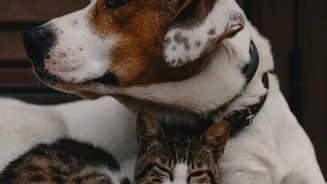
What Is Pet Enrichment, Anyway?
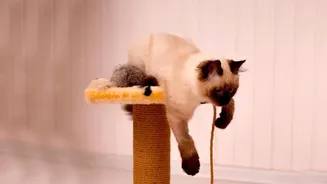
At its core, pet enrichment is the process of creating a stimulating environment that allows an animal to perform its natural, species-typical behaviours. Think of it as mental exercise. For dogs, this could mean scavenging and sniffing; for cats, it might
be stalking and pouncing. The goal isn't just to keep them busy, but to improve their psychological and physiological well-being by reducing stress, preventing boredom, and giving them a sense of control over their environment. Vets and animal behaviourists increasingly see enrichment not as a luxury, but as a fundamental necessity for a pet's overall health, much like nutrition and physical exercise.
Why Indoor Pets Need It Most
An indoor life is a safe life, but it can also become predictable and monotonous. When pets lack outlets for their natural instincts, they often invent their own entertainment, which can lead to destructive behaviours like chewing furniture, excessive barking, or scratching. Boredom and a lack of stimulation are significant sources of stress and anxiety for indoor animals. Enrichment provides a positive outlet for their pent-up energy and curiosity. It helps keep their minds sharp, which can even slow cognitive decline in older pets, and promotes better physical health by encouraging movement. A mentally tired pet is often a calm and contented pet.
Making Mealtime an Adventure
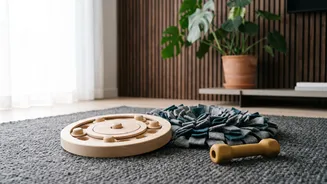
One of the easiest ways to introduce enrichment is by transforming how you feed your pet. Instead of just putting food in a bowl, you can use puzzle feeders or lick mats. Puzzle toys require your pet to nudge, roll, or slide parts to get to their kibble, turning a five-minute meal into a 20-minute problem-solving session. Lick mats, which are textured silicone pads, can be spread with wet food, yoghurt, or xylitol-free peanut butter. The repetitive act of licking is naturally calming for both dogs and cats, making these mats an excellent tool for reducing anxiety. These methods not only provide mental stimulation but also slow down fast eaters, which can aid digestion and prevent issues like bloat.
Engage Their Powerful Senses
Beyond food, you can enrich your pet's life by engaging their other powerful senses, especially their sense of smell. For dogs, sniffing is a primary way they gather information about the world, and it can be incredibly calming. Simple 'scent games' can be a great activity. Try hiding a few smelly treats around a room and encouraging your dog to 'find it'. You can also create a 'snuffle mat' by tying fleece strips to a rubber mat and hiding kibble within the fabric for your dog to forage through. For cats, a perch by a window can provide endless visual stimulation, often called 'cat TV'. Varying the textures they walk on or introducing new, safe scents (like catnip for felines) are other simple ways to make their indoor world more interesting.
Low-Cost and DIY Solutions
Enrichment doesn't have to be expensive. Many effective toys and games can be made from items you already have at home. An empty cardboard box can become a 'busy box' for a dog to shred (a natural behaviour) or a maze for a cat to explore. A simple muffin tin can be used as a puzzle feeder by placing kibble in the cups and covering them with tennis balls. You can even roll up treats inside an old towel or a cardboard toilet paper tube for your pet to unravel. These DIY options are not only budget-friendly but also allow you to rotate 'new' toys frequently to keep your pet engaged.