



What Is This Meteor Shower?
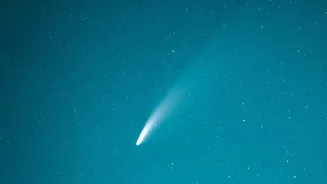
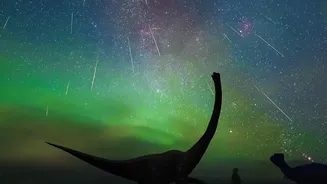
The event gracing our skies is the annual Perseid meteor shower, considered one of the best and most reliable of the year. These meteors are not actually stars, but tiny bits of space debris left behind by the Comet Swift-Tuttle. This large comet orbits
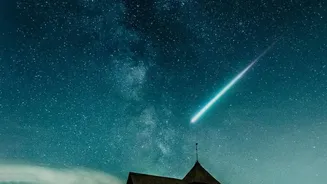
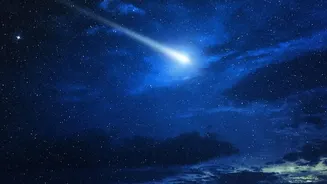
the sun every 133 years, leaving a trail of dust and particles. Every August, Earth passes through this debris field. The particles, many no bigger than a grain of sand, enter our atmosphere at incredible speeds and burn up, creating the brilliant streaks of light we call meteors or 'shooting stars'.
When Is the Best Time to Watch?
Mark your calendars for the nights of August 12 and 13, 2026. This is when the shower will be at its peak, offering the most frequent meteors. The best viewing window is typically in the hours after midnight until just before dawn. For India, the prime time to watch will be in the pre-dawn hours of August 13. Luckily, the 2026 peak coincides with a new moon, meaning the sky will be exceptionally dark without moonlight interfering, making it easier to spot even the fainter meteors.
How to Prepare for Viewing
The headline doesn't lie: no specialist gear is needed. In fact, telescopes or binoculars are not recommended for meteor showers because they restrict your field of view, and you want to see as much of the sky as possible. Your most important tool is patience. Find a comfortable spot, perhaps with a reclining chair or a blanket on the ground, so you can lie back and look up without straining your neck. It takes about 20-30 minutes for your eyes to fully adapt to the dark, so put your phone away to preserve your night vision. Dressing in layers is also a good idea, as even summer nights can get chilly during the pre-dawn hours.
Finding the Perfect Viewing Spot
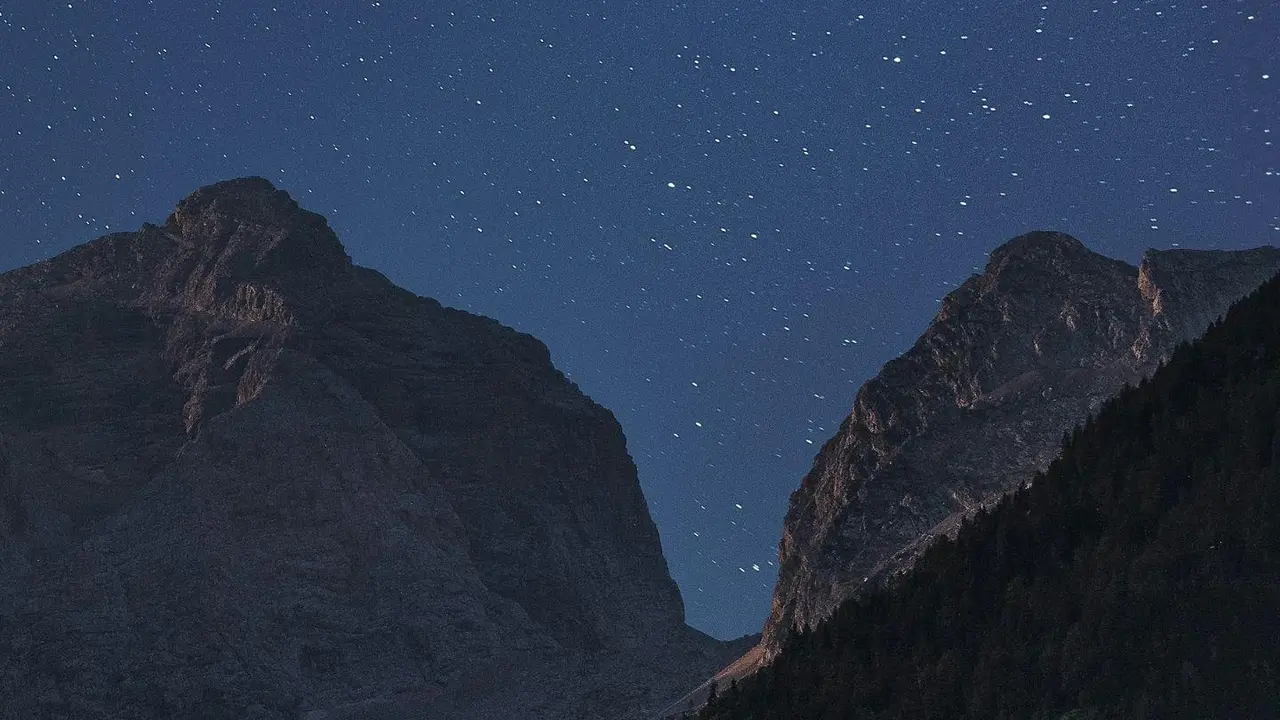
The key to a great meteor-watching experience is to get away from light pollution. City and town lights wash out the night sky, hiding all but the very brightest meteors. For the best show, find a location with a wide, open view of the sky, far from streetlights and buildings. This could be a rural field, a quiet park, or any spot designated as a dark-sky area. While the meteors appear to originate from the constellation Perseus in the northeast, they can appear anywhere in the sky. So, don't just stare at one spot; simply lie back and take in as wide a view as you can.
The Monsoon Challenge
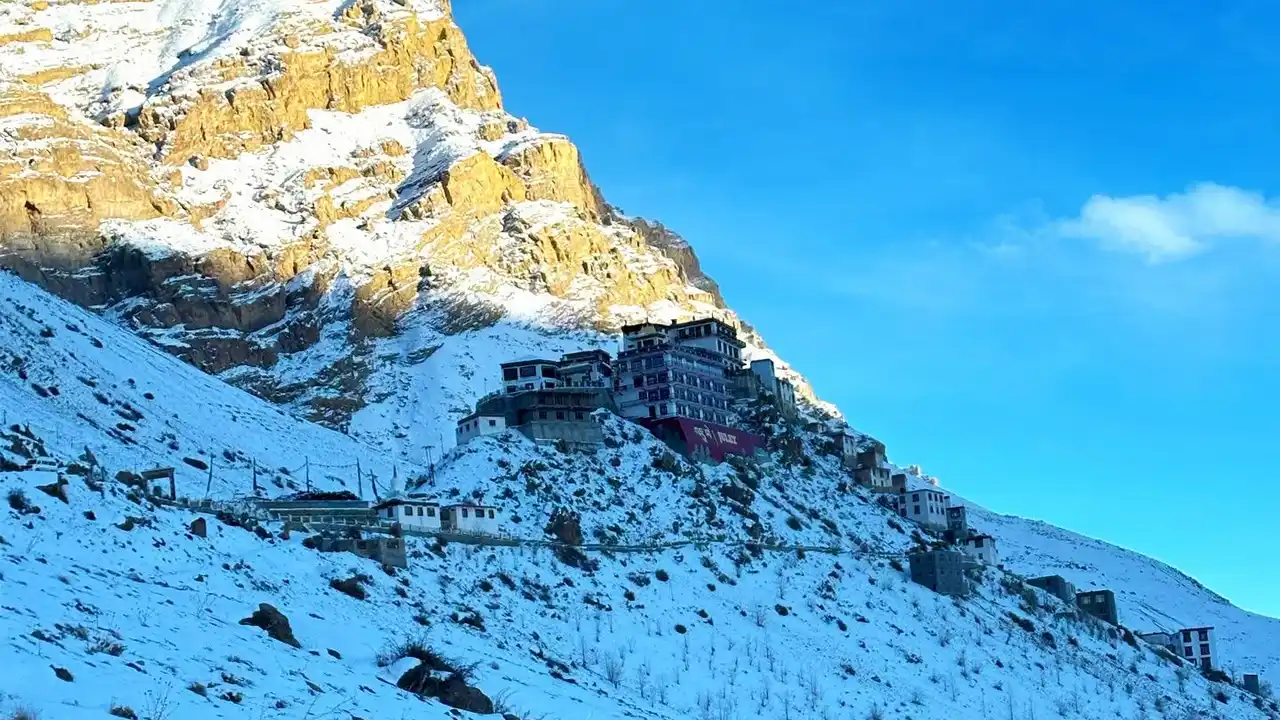
For viewers in India, the biggest variable is the weather. The August peak of the Perseids falls squarely in the middle of the monsoon season for most of the country. Heavy cloud cover can completely obstruct the view, making it impossible to see the shower. However, don't lose hope. Breaks in the clouds are common, and a rain-washed sky can offer exceptional clarity. For those determined to see the show, areas that are less affected by the monsoon, such as the rain-shadow regions of Ladakh and Spiti, or the arid deserts of Rajasthan and Kutch, offer the best chances for clear skies.