



The Search for Authentic Experiences
Modern Indian travellers are increasingly looking beyond the predictable tourist checklist. The focus has shifted from merely seeing a place to truly experiencing it. This means swapping generic hotel buffets for home-cooked regional meals, and souvenir
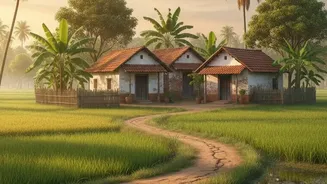
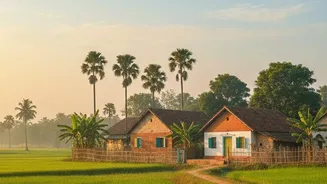
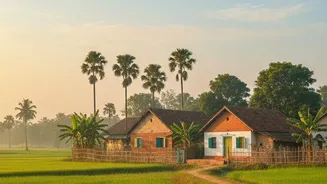
shops for workshops with local artisans. Experiential travel is about immersing oneself in the local culture, traditions, and way of life. Small towns and villages, from the serene backwaters of Mararikulam in Kerala to the historic lanes of Patan in Gujarat, offer an unfiltered glimpse into India’s diverse cultural fabric. This desire for authenticity is a driving force, as travellers seek genuine connections and stories that last longer than a photograph.
A New Definition of 'Offbeat'
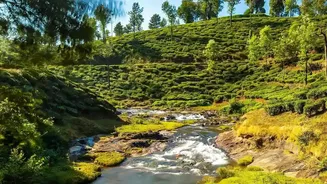
The term 'offbeat' no longer just means avoiding crowds; it signifies a quest for the unique and undiscovered. Social media influencers and travel storytellers have played a significant role in showcasing 'hidden gems', sparking curiosity for destinations that were once far off the tourist map. Places like Gurez Valley in Kashmir or the tranquil meadows of Chopta in Uttarakhand are becoming the new aspirational getaways. These locations promise not just scenic beauty but a sense of discovery and adventure—a chance to visit a place before it becomes mainstream. The appeal lies in their untouched landscapes and the feeling of being one of the few to experience their serene charm.
The Rise of Remote Work and 'Slow Travel'
The normalization of remote work has fundamentally altered travel patterns. Professionals are no longer tethered to city desks, enabling them to take longer, more immersive trips. This has fuelled the 'slow travel' movement, where the goal is to stay in one place for weeks or even months rather than rushing through an itinerary. Small towns are perfect for this, offering a lower cost of living and a peaceful environment conducive to both work and relaxation. This trend allows travellers to integrate into the local community, building relationships and understanding the rhythm of daily life, which is a core tenet of experiential travel.
Homestays: The Heart of the Experience
Central to the small-town travel boom is the rise of homestays and boutique properties. An increasing number of travellers, especially younger generations like Gen Z, are choosing homestays over traditional hotels. These accommodations provide more than just a place to sleep; they are gateways to local culture. Staying with a host family offers direct exposure to regional cuisine, stories, and traditions, embodying the principle of 'Atithi Devo Bhava' (the guest is god) in its truest sense. States like Sikkim and Kerala have successfully built extensive homestay networks that empower local communities and provide travellers with the authentic, personal experiences they crave.
Sustainability and Conscious Travel
There's a growing consciousness among Indian travellers about their environmental and social impact. Many are actively seeking sustainable travel options that support local economies and preserve the natural environment. Small-town tourism, when done responsibly, aligns perfectly with these values. Choosing to stay in a village homestay, buying from local craftspeople, and eating at small family-run eateries ensures that tourism revenue directly benefits the community. This shift towards mindful travel is not just about feeling good; it's about making a positive contribution to the places one visits, ensuring they remain vibrant for years to come.