
Ignoring Your Vertical Space
One of the most frequent errors in a compact home is thinking only in terms of floor space. When you have limited square footage, the walls become your most valuable asset. Leaving them bare is a missed opportunity for storage and personality. Draw the eye
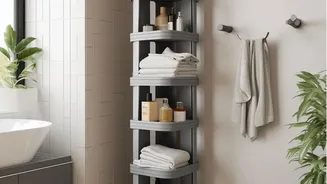
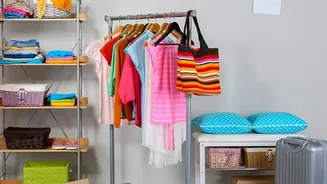
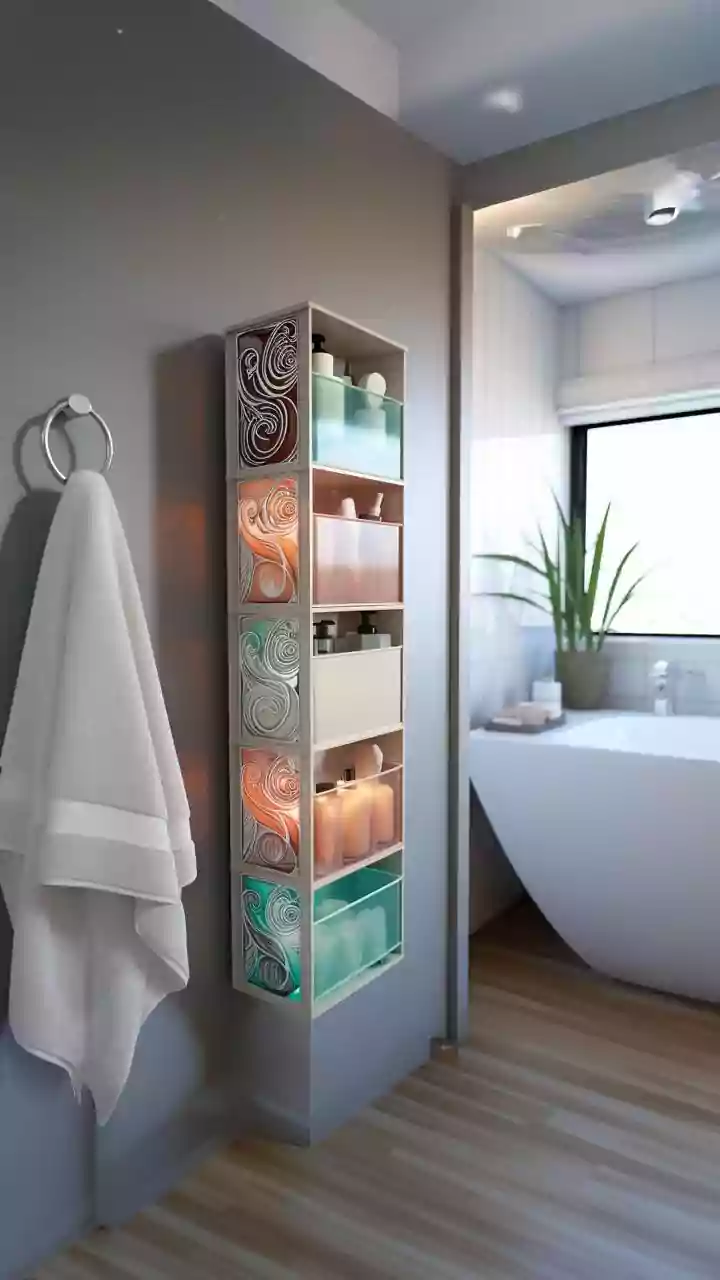
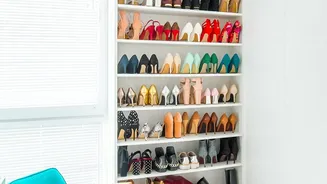
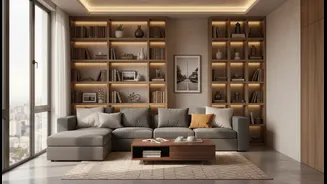
upward to create an illusion of height and a more open feeling. Think of your walls as a canvas for smart storage. Install floating shelves to hold books and decor, or opt for tall, narrow bookcases that pack a lot of storage punch without a large footprint. Wall-mounted desks, pegboards in the kitchen, and over-the-door organisers are all brilliant ways to get items off the floor and into an organised home.
Choosing Solid, Bulky Furniture
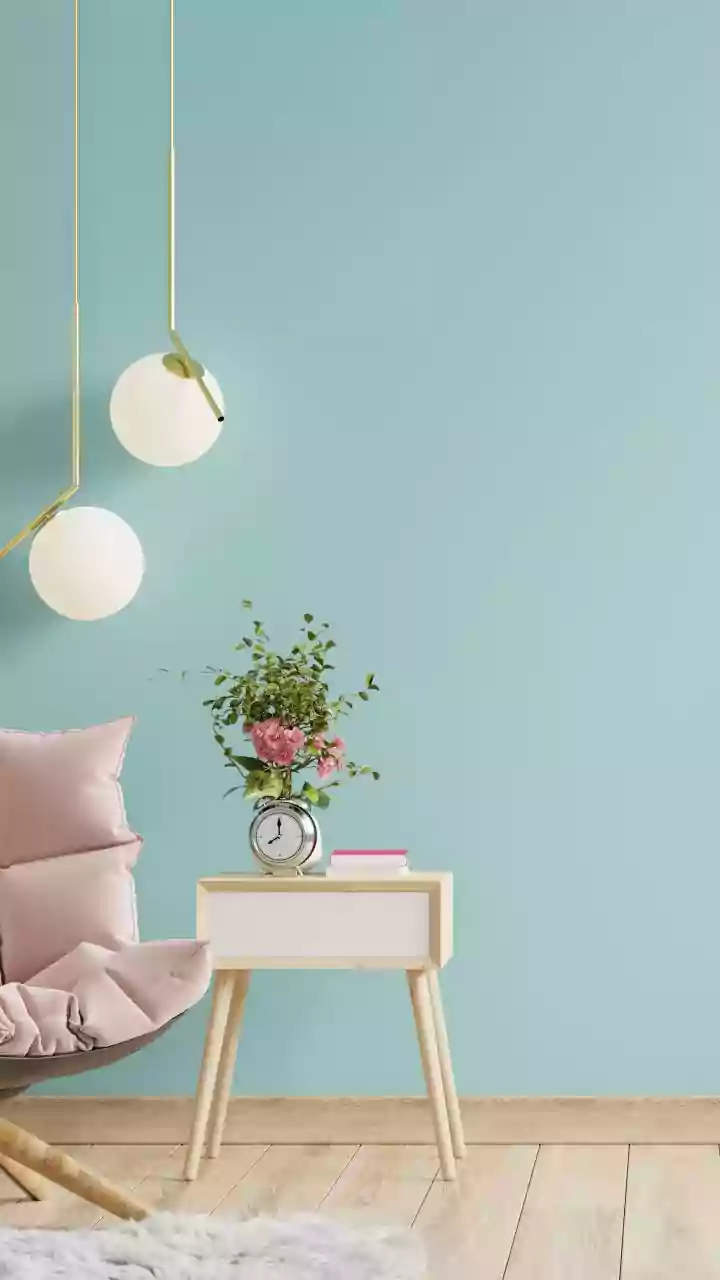
A massive, dark-coloured sofa or a heavy, solid-wood coffee table can feel like an anchor, weighing down a small room. These pieces have significant 'visual weight'—they look heavy and dominate a space, absorbing light and making the room feel confined and crowded. The solution is to choose furniture that feels lighter and allows light and air to flow. Opt for pieces with visible legs, like sofas and cabinets raised off the floor. This allows you to see the floor underneath, which instantly creates a sense of more space. Materials like glass, acrylic, or anything transparent for tabletops or chairs are also excellent choices, as they take up less visual real estate.
The 'Smaller is Better' Myth
It seems logical: a small room needs small furniture. However, filling a room with lots of tiny pieces often has the opposite effect. A collection of small chairs, tables, and decorative items can quickly lead to a feeling of clutter and disarray, making a room feel busy and cramped. Instead of multiple small items, interior designers often recommend choosing a few larger, well-proportioned pieces. One properly scaled sofa can make a room feel more intentional and calmer than two small loveseats. The key is to anchor the space with a few key pieces and then be selective about what else you add, ensuring there's plenty of 'breathing room' around them.
Drowning in Decor
It’s your home, and you want it to reflect your personality. But in a small space, a collection of beloved knick-knacks spread across every available surface quickly becomes visual clutter. Visual clutter is anything that creates a distracting, busy feeling, making it hard for the eye to rest and causing the space to feel chaotic and smaller than it is. You don't have to get rid of your favourite things, but you should edit and curate them. Group smaller items together on a tray or in a designated decorative box. This simple trick contains the clutter and turns a random assortment of objects into a cohesive, intentional display. Regularly edit your decor to keep only what you truly love on display.
Blocking Natural Light
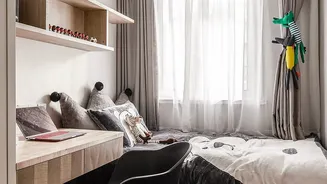
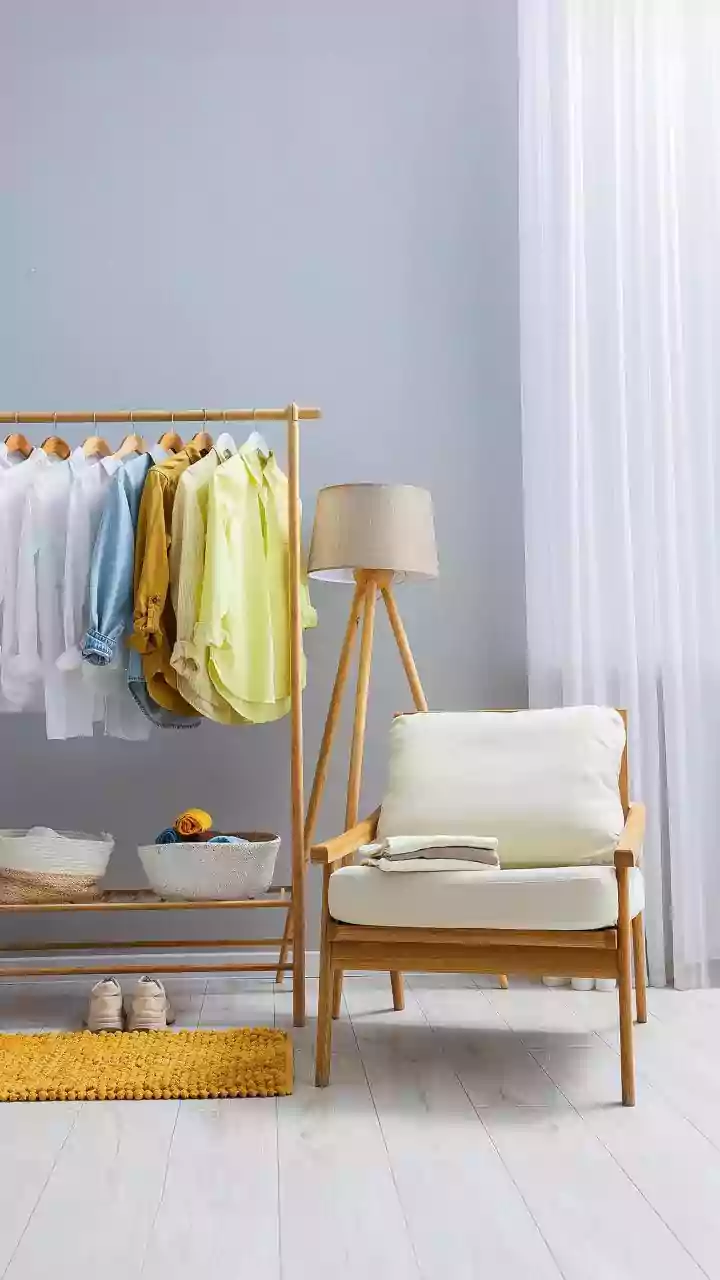
Natural light is one of the most powerful tools for making a space feel larger, brighter, and more open. A common mistake is to inadvertently block this valuable resource with heavy, dark curtains or by placing large furniture in front of windows. This instantly makes a room feel more cave-like and enclosed. To maximize daylight, use lightweight or sheer curtains that allow light to filter through while still providing privacy. Better yet, consider blinds or shades that can be pulled up completely to expose the entire window. A strategically placed mirror opposite a window is a classic designer trick to bounce light around the room, further enhancing the sense of space and brightness.
Relying on Opaque Storage
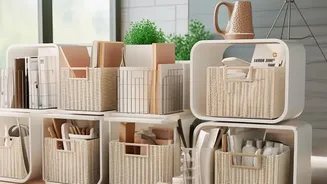
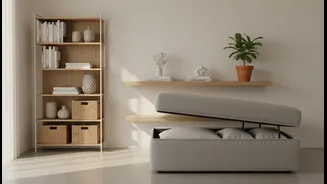
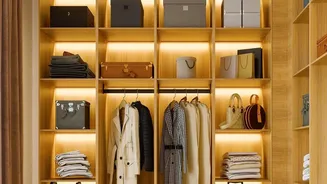
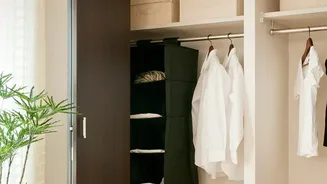
While hiding everything away in solid bins and cabinets seems like a good way to declutter, it can also create large, monolithic blocks in your room that make it feel smaller. If every storage item is a solid, opaque box, your room can start to look like a warehouse. Instead, mix up your storage solutions. Use multi-functional furniture, like an ottoman with a hidden compartment or a coffee table that lifts to reveal storage inside. For items you need to keep out but organised, opt for attractive woven baskets or decorative boxes. These add texture and warmth while keeping clutter contained, turning your storage into part of the decor itself.