


A Conscious Uncoupling from Refined Flour
The shift away from processed refined flour is rooted in a growing awareness of its health implications. The refining process strips wheat of its bran and germ, removing vital nutrients like fibre, vitamins, and minerals. What remains is a starchy endosperm
that can cause rapid spikes in blood sugar due to its high glycemic index. Regular consumption of maida has been linked to digestive issues, weight gain, and an increased risk of chronic diseases. This has led many to seek out wholegrain alternatives that offer more than just empty calories, paving the way for the return of millets.
What Are 'Heritage' Millets?
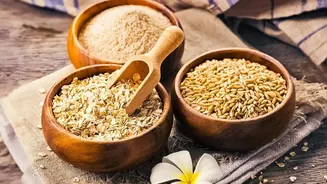
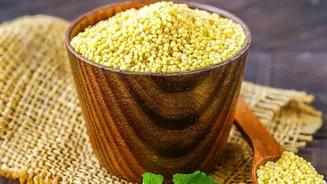
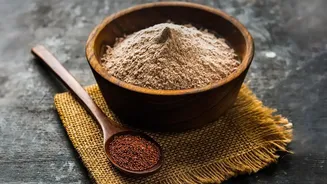
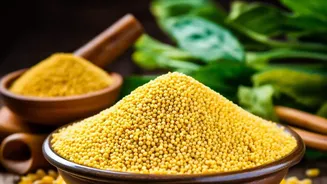
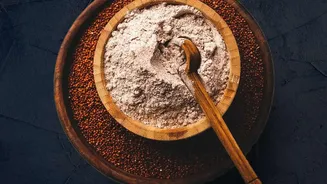
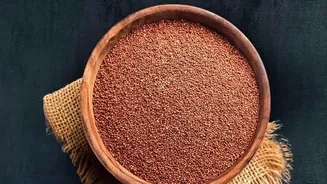
The term 'heritage' or 'ancient' refers to grains that have been cultivated for thousands of years, long before modern agricultural shifts prioritised mass-produced rice and wheat. These are not a single grain, but a diverse family including finger millet (ragi), pearl millet (bajra), sorghum (jowar), foxtail millet (kangni), kodo millet (varagu), and barnyard millet (sanwa). Once staples across India, they were sidelined during the Green Revolution, which favoured high-yield crops. Today, their revival is seen as a return to our nutritional roots and a rediscovery of grains that are deeply connected to Indian food culture.
The Nutritional Powerhouse vs. The Empty Carb
When compared to refined flour, heritage millets are nutritional champions. They are naturally rich in dietary fibre, which aids digestion, promotes satiety, and helps manage weight. Millets also boast a lower glycemic index, meaning they release sugar into the bloodstream more slowly, making them an excellent choice for managing blood sugar levels. Furthermore, different millets offer unique benefits: ragi is a calcium powerhouse, with significantly more calcium than wheat, while bajra is rich in iron and magnesium. Jowar is valued for its high fibre content, and kodo millet is packed with antioxidants. This nutrient density makes them a stark contrast to maida, which offers little nutritional value.
More Than Health: A Return to Our Roots
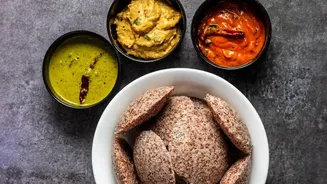
The resurgence of millets is not just a health trend; it is a cultural and environmental one. These grains are native to India's climate, require significantly less water than rice and wheat, and can thrive in poor soil without heavy fertilisers or pesticides. This makes them a highly sustainable crop. For many, cooking with millets is about reconnecting with traditional food wisdom that was lost to convenience. Reviving ancestral recipes like ragi mudde, jowar rotis, and millet-based khichdi is a way to embrace a food heritage that is both nourishing and resilient.
Making the Switch: Practical Tips for Your Kitchen
Incorporating millets into your diet doesn't have to be complicated. You don't need to eliminate wheat entirely; a balanced approach is often best. A great way to start is by blending millet flour with your regular wheat flour for rotis, beginning with a 25-30% millet flour ratio and adjusting to your taste. Whole millets like foxtail or little millet can be cooked just like rice and used in dishes like upma, pulao, or khichdi. Because they are gluten-free, millet flours create a denser texture in baking, so they often work best when combined with other flours. The key is to start small and explore the unique, nutty flavours these ancient grains have to offer.