


1. Coolcationing: The New Hotspot Is Cold
Tired of sweating through your summer holidays? You’re alone. 'Coolcationing' is the rapidly growing trend of skipping scorching Mediterranean beaches for the milder, refreshing climates of places like Scandinavia, Scotland, or the Baltics. Driven by
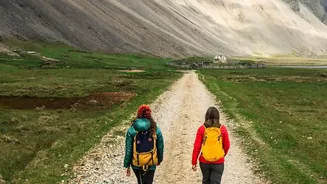
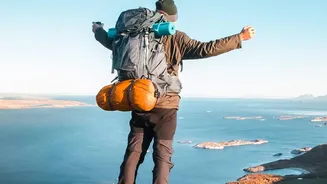
rising global temperatures and a desire to escape overcrowded tourist traps, travellers are seeking out destinations where they can enjoy outdoor activities without the risk of heatstroke. In 2027, expect more people to trade their swimsuits for hiking boots, drawn by the promise of glacier hikes in Norway or exploring Iceland's waterfalls in comfortable, cool weather. It’s a move away from the traditional sun-and-sand holiday towards trips that prioritise comfort, adventure, and experiencing nature at its most pleasant.
2. Gig-Tripping: Travel for the Love of Music
Once a niche activity for superfans, 'gig-tripping' has gone mainstream. This is the trend of planning an entire holiday around seeing a favourite band or artist. With concert tickets often being expensive or hard to get locally, fans are increasingly willing to travel across the country, or even internationally, for a show. But it’s more than just the concert; gig-trippers are building entire vacations around the event, exploring the host city's culture, food, and sights. This trend transforms a one-night event into a multi-day cultural experience, blending a passion for music with the thrill of discovery. For many Gen Z and Millennial travellers, the question is no longer 'What concerts are happening where I’m going?' but 'Where do I need to go to see this show?'.
3. Set-Jetting: Living Your Favourite Scenes
Thanks to the golden age of streaming, our watchlists have become our travel wish lists. 'Set-jetting'—traveling to destinations featured in popular TV shows and movies—is booming. From the dramatic landscapes of 'Game of Thrones' to the chic Italian towns in 'The White Lotus', fans are flocking to see the real-life backdrops of their favourite stories. This trend is a powerful driver of tourism, with some locations seeing visitor numbers surge after a series becomes a hit. In 2027, as new shows create new pop culture landmarks, travellers will continue to seek immersive experiences that allow them to step into the world of their on-screen heroes.
4. Slow Travel: The End of the Tick-Box Holiday
The pressure to see and do everything on a trip is fading. In its place is 'slow travel', the conscious decision to stay longer in one place, ditching the packed itinerary for a more immersive and relaxed experience. This isn't about doing nothing; it's about connecting more deeply with a destination. Think renting an apartment for a month, getting to know the local market, learning a few phrases, and finding a favourite neighbourhood cafe. This 'anti-optimised holiday' is a response to burnout, offering a chance to truly unwind and experience a place like a temporary local, not just a tourist passing through.
5. Culinary Tourism: A Deeper Dive Into Food
Food has always been a part of travel, but this trend goes far beyond booking a few nice restaurants. Deeper culinary tourism is about understanding a place through its food system. Travellers are seeking out hands-on experiences like attending kimchi-making classes, learning about beekeeping, or participating in a local harvest. This 'fermentor' or 'pollinator' tourism is about tracing food back to its source and connecting with the people and traditions behind it. It’s a move away from just consumption towards participation, where the story behind the meal becomes as important as the flavour.
6. Ego-Tourism vs. Eco-Tourism: The Personal Quest
For years, 'eco-tourism' has focused on responsible travel that supports conservation and local communities. However, a subtle shift is emerging towards what some call 'ego-tourism'. This isn’t about being selfish, but about travel focused on personal growth, self-discovery, and unique, individualised experiences. While eco-tourism asks 'How can my trip benefit the planet?', ego-tourism asks 'How can this trip benefit me?'. In 2027, this will manifest in trips built around learning a new skill, undertaking a personal challenge, or seeking out experiences that offer a sense of wonder and fantasy. The goal is no longer just to see the world, but to find your place in it.