


The Problem with Convenience
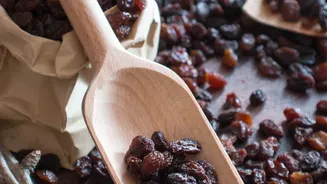
Leaving a scoop inside a bag of dry goods like flour, sugar, or coffee might seem like a harmless, practical way to keep it handy. However, this simple act can compromise the quality and safety of your food. Every time you reach into the bag, your hands
introduce potential contaminants to the scoop's handle. Food safety experts stress the importance of preventing cross-contamination, which can happen when bacteria or other microbes are transferred from one surface to another. Even if your hands are clean, they still carry natural oils and a small amount of moisture that can transfer to the scoop and, subsequently, to your ingredients.
Moisture: The Enemy of Freshness
Flour, sugar, and other dry goods have a long shelf life precisely because they are dry. Introducing even a tiny amount of moisture can cause problems. When you handle a scoop, moisture from your hands can get on the handle. If the scoop is then buried in flour, that moisture can be absorbed, leading to clumping. In more humid environments, this can even create an environment where mold or bacteria could potentially grow. Furthermore, oils in ingredients like whole wheat flour or ground coffee can go rancid more quickly when exposed to air and potential contaminants from a shared scoop. Keeping your ingredients dry and your scoop separate is a crucial first step in preserving their quality.
The Cross-Contamination Risk
Cross-contamination is a primary concern in food safety. Think about the journey of your hands before they reached for that scoop. Did you just handle raw meat? Were you petting the dog? Bacteria can easily transfer from your hands to the scoop handle. While the risk is lower with dry goods than with perishable foods, it’s not zero. The handle of the scoop can become a breeding ground for germs if it's repeatedly touched and then left in a dark, enclosed space. Professional food handling guidelines often require utensils to be stored in a way that prevents bare-hand contact with the food-contact surface, and storing a scoop with its handle sticking out of the food is a minimum standard in commercial settings.
A Simple, Safer Solution
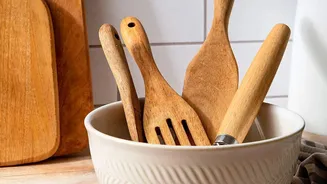
The fix for this is incredibly simple and requires only a minor change in habit. Instead of burying your scoop, store it outside the container. You can place it in a designated drawer, a utensil crock on the counter, or use a container that has a built-in hook or magnetic strip on the outside to hold the scoop. This ensures the scoop stays clean and dry between uses. It’s also a good practice to wash the scoop regularly, just as you would any other kitchen utensil. This is especially important if you ever use the same scoop for different ingredients, such as flour and sugar, which can lead to its own form of cross-contamination. For ultimate food safety, consider having dedicated, labeled scoops for different ingredients.
Beyond the Flour Bag
This principle applies to more than just flour and sugar. Think about ice bins, coffee grounds, protein powder tubs, and pet food containers. In each case, leaving the scoop inside introduces the same risks of contamination from hands and the environment. For ice, in particular, it is a significant food safety violation in commercial kitchens to leave the scoop in the bin because ice is considered a food. Adopting the habit of storing all your food scoops separately is a small step that elevates your kitchen's hygiene and helps ensure the food you prepare is as safe and high-quality as possible.