






Why Clear Rules Are Essential
Living with others, whether family or flatmates, often means sharing the kitchen, which can be a source of daily friction. Unspoken assumptions about what's shared and what's personal can lead to everything from minor annoyance to full-blown conflict.
Establishing clear, easy-to-follow ground rules is the first step towards a peaceful kitchen. This isn't about being rigid; it's about creating a system built on respect and clear communication that saves everyone money, reduces food waste, and makes daily life more pleasant. A quick conversation today can prevent countless misunderstandings tomorrow, ensuring the kitchen remains a place of collaboration, not conflict. The best time to set these rules is right when you move in or whenever a new person joins the household.
The 'Yours, Mine, and Ours' System
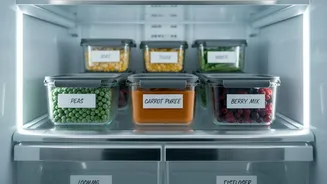
One of the most effective strategies is to categorize all food items. Designate specific shelves or cupboards for each person's personal groceries. This gives everyone their own space and removes any ambiguity. Then, create a dedicated communal area in both the pantry and the fridge for shared items. This is where you'll store the 'Ours' — staples that everyone agrees to use and replenish. Personal items that you don't want to be shared should be clearly marked or kept in your designated area. This simple separation is foundational; it clarifies ownership and prevents the classic case of someone 'accidentally' using the expensive olive oil you bought for a special recipe.
Defining and Managing Shared Staples
The next step is to decide what qualifies as a shared staple. Common candidates include cooking oil, salt, sugar, pepper, basic spices, and perhaps milk or butter if usage is similar across the household. Have a direct conversation to create this list. It’s crucial to also discuss dietary needs, allergies, and preferences during this stage. Once the list of staples is agreed upon, you need a fair system for purchasing them. Some households create a communal fund or 'kitty' that everyone contributes to weekly or monthly. Others prefer a rotating system where one person buys the staples one week, and another does the next. For a more modern approach, expense-splitting apps like Splitwise, Splitkaro, or the group features in Google Pay can track shared costs without the hassle of manual calculations, making it easy to settle up.
Mastering Ingredient Overlap with Meal Planning
Ingredient overlap is where shared living can become truly efficient and cost-effective. Instead of three people buying three separate onions that might go to waste, planning meals together allows you to buy in bulk and share ingredients. Start by identifying one or two nights a week for a shared household dinner. This can be a fun bonding activity and a practical way to manage food. Plan simple, versatile meals like pasta nights, taco bars, or build-your-own rice bowls where components can be prepared in batches. Collaborative meal prep, where one person chops vegetables while another cooks a protein, can also save significant time. Using a shared digital list or a whiteboard in the kitchen helps everyone see the week's meal plan and the ingredients needed, preventing duplicate purchases and reducing food waste.
Communication: The Most Important Ingredient
No system can succeed without open and regular communication. The rules you set are not written in stone; they can and should evolve as the household's needs change. Schedule brief, regular check-ins to discuss what's working and what isn't. A dedicated group chat for kitchen-related matters can be a great way to send quick updates, like “we’re almost out of rice” or “I’ll be home late, don’t wait for me for dinner.” If someone consistently uses more of a shared item, a polite conversation about contributing more to that specific item is better than letting resentment build. Remember, the goal is a cooperative environment where everyone feels respected.