






The Allure of a Single Solution
It’s easy to understand the appeal of a 'magic bullet'. In our busy lives, the idea that one specific food can fix our digestive woes is incredibly tempting. Fermented foods like yogurt, kefir, and sauerkraut are packed with probiotics, which are beneficial
live microorganisms that can support a healthy gut. They are a fantastic addition to your diet. However, thinking of them as a solo fix is like expecting one star player to win a championship without a team. The gut microbiome is a complex ecosystem of trillions of microbes, and supporting it requires more than just introducing one type of 'good' bacteria. A healthy gut isn't built on a single ingredient; it's nurtured by a consistent and varied dietary pattern.
The Power of an Eating 'Pattern'
So, what does a 'pattern' actually mean? It’s not about a strict, rigid diet. Instead, it refers to the overall quality and variety of your food choices over weeks and months. Think of it as the forest, not the individual trees. A gut-healthy pattern focuses on what you eat consistently, rather than fixating on a single meal or food. It’s a holistic view that prioritizes whole foods and diversity. Research shows that this broad approach has a more significant impact on the health and diversity of our gut microbes than just adding one probiotic-rich product.
Fibre: The Unsung Hero of Gut Health
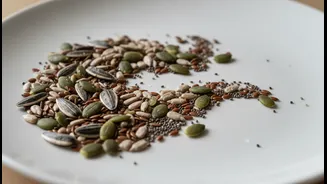
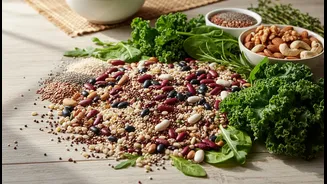
If there's one nutrient to champion for your gut, it's fibre. While probiotics (like in kimchi) add bacteria, prebiotics feed the good bacteria already living in your gut. And the best source of prebiotics is dietary fibre, the part of plant foods your body can't digest. When fibre reaches your colon, your gut microbes ferment it, producing beneficial compounds called short-chain fatty acids (SCFAs). These SCFAs nourish your colon cells, strengthen your gut barrier, and reduce inflammation. Unfortunately, most people don't get enough fibre. The goal is to incorporate a wide array of plant-based foods—fruits, vegetables, whole grains, nuts, seeds, and legumes—into every meal to fuel your internal ecosystem.
Diversity Is the Spice of Life (and Your Gut)
A healthy gut is a diverse one. Eating a wide variety of plant foods encourages a more diverse and resilient microbiome. Different plants contain different types of fibres and nutrients, which feed different species of beneficial bacteria. A simple and effective goal is to aim for eating 30 or more different types of plants per week. This might sound daunting, but it includes not just fruits and vegetables, but also whole grains, nuts, seeds, legumes, herbs, and spices. Research has shown that people who consume over 30 different plants a week have a more diverse gut microbiome compared to those who eat 10 or fewer.
Beyond the Plate: Lifestyle Matters
A truly holistic approach to gut health extends beyond diet. Lifestyle factors play a powerful role in shaping your microbial landscape. Chronic stress, for instance, can negatively impact your gut bacteria and weaken your immune system. Likewise, poor or insufficient sleep can disrupt the natural rhythms of your gut microbes, leading to inflammation and other issues. Regular physical activity, on the other hand, is known to enhance microbial diversity and improve overall gut function. Managing stress through techniques like mindfulness, ensuring you get 7-9 hours of quality sleep, and incorporating regular movement are all crucial parts of the gut health pattern.