


Why Your Balcony Needs a Plant
Living in a rented apartment often means a disconnect from the soil. We move between concrete boxes, yearning for a touch of green. A balcony garden, no matter how small, bridges that gap. It’s not just about aesthetics; it’s a powerful wellness tool.
The simple act of nurturing a plant can reduce stress and anxiety. It provides a mindful, screen-free activity that grounds you in the present moment. Plus, imagine snipping fresh mint for your chai or curry leaves for your tadka, straight from your own pot. It’s a small, satisfying luxury that makes a rental feel like a home you’ve truly made your own.
Your Minimalist Starter Kit
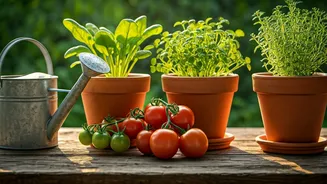
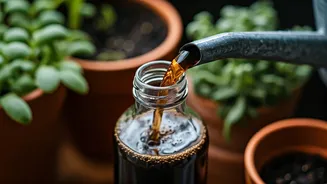
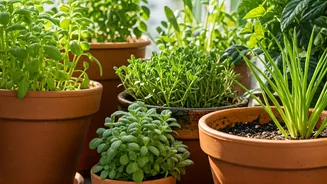
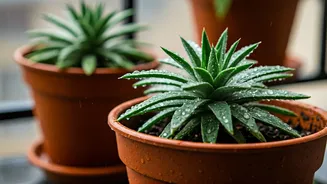
The beauty of container gardening is its simplicity. You don’t need a sprawling lawn or a shed full of tools. To get started, you only need a few basics that are readily available at any local nursery or online. * **Pots:** Start with two or three medium-sized pots (8-10 inches). Terracotta (clay) pots are excellent as they are porous and allow the soil to breathe, preventing waterlogging which can kill roots. Ensure they have drainage holes at the bottom. * **Soil:** Don’t just scoop up dirt from the ground. Buy a bag of potting mix. This is a specially formulated blend of soil, compost (like vermicompost), and other materials like cocopeat that retains moisture while allowing for good drainage. A 5 kg bag is more than enough to start. * **A Watering Can or Bottle:** Anything that allows you to water the plants gently will do. A simple plastic bottle with holes poked in the cap works perfectly for beginners. * **Plants:** The most exciting part! We’ll get to which ones to choose next.
The Easiest Plants to Keep Alive
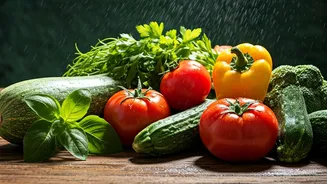
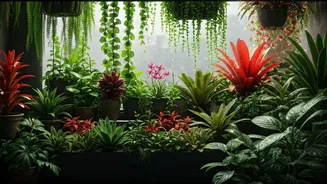
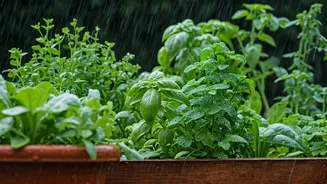
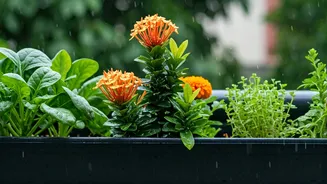
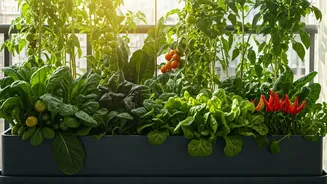
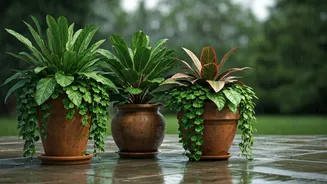
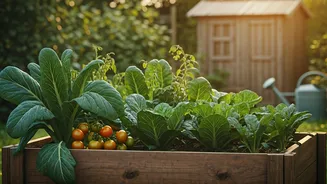
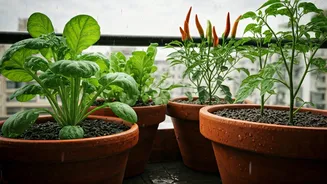
The key to a successful first attempt is choosing forgiving plants that thrive in Indian conditions. Don't start with exotic, fussy varieties. Instead, opt for these hardy favourites: * **Herbs:** Mint (pudina), Holy Basil (tulsi), and Coriander (dhania) are fantastic choices. They grow quickly, don’t require a huge amount of direct sunlight, and are incredibly useful in the kitchen. Keep mint in its own pot, as it tends to spread aggressively. * **Vegetables:** Chilli peppers and cherry tomatoes are surprisingly easy to grow in pots. They love sunshine, so they’re perfect for a south- or west-facing balcony that gets at least 4-5 hours of direct light. * **Flowers:** For a splash of colour, nothing beats Marigolds (genda). They are tough, pest-resistant, and bloom profusely. Vinca (Sadabahar) is another incredibly low-maintenance flowering plant that thrives in heat and sun. * **Air-Purifying Plants:** If your balcony is mostly shaded, consider Snake Plant or Money Plant. They are famously hard to kill and work to clean the air in your home.
Your First Potting Session
This should take you less than 15 minutes. Lay down some old newspaper to keep your balcony clean. First, cover the drainage hole at the bottom of the pot with a small stone or a broken piece of a clay pot. This prevents soil from washing out. Fill the pot about two-thirds full with your potting mix. Gently remove your plant sapling from its nursery bag, being careful not to damage the root ball. Place it in the centre of the pot. Fill the remaining space around the root ball with more potting mix, leaving about an inch of space from the rim of the pot. Press the soil down gently but firmly. Finally, give your new plant a good, slow watering until you see a little bit of water seeping out of the drainage hole. That’s it! You’ve officially potted your first plant.
The Simple Rules of Care
Don’t overthink it. Your main jobs are watering and ensuring adequate light. The ‘finger test’ is the best way to know when to water: stick your index finger about an inch into the soil. If it feels dry, it’s time to water. If it’s moist, wait another day. Most beginners kill their plants by overwatering, not underwatering. Observe your plants. If the leaves look droopy, they likely need water. If they are turning yellow, it could be a sign of too much water. Pay attention to where the sun hits your balcony throughout the day and place your plants accordingly. Sun-lovers like tomatoes need the bright spots, while plants like mint and tulsi are happy with a few hours of morning sun.