





The Silk Road on a Shoestring Budget
For generations, the name Samarkand has evoked images of ancient trade routes, grand empires, and architectural wonders. Today, this historic city is trading its exotic, far-flung reputation for a more accessible one, especially for young Indian travelers.
The primary driver is affordability. While the headline claim of consistently “low” flight fares needs context, it is possible to find return flights from major Indian cities for under ₹30,000 if booked in advance, making it competitive with popular Southeast Asian destinations. But the real savings begin upon arrival. Backpackers report daily expenses can be as low as $25-$35 (around ₹2,100-₹2,900), covering a hostel bed, food, and local transport. This combination of manageable travel costs and low on-ground expenses is placing Samarkand squarely on the Gen Z travel map.
An Instagram Feed of Ancient Wonders
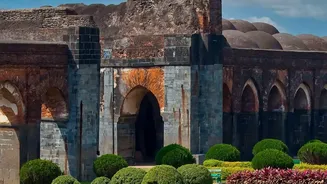
For a generation that values experiences and aesthetics, Samarkand is a visual feast. The city's crown jewel, the Registan Square, is a breathtaking ensemble of three massive, turquoise-tiled madrasas that offer a stunning backdrop for photos, especially when illuminated at night. Beyond the Registan, the Shah-i-Zinda necropolis provides a surreal walk through an avenue of dazzling mausoleums, each more intricately decorated than the last. Then there’s the colossal Bibi-Khanym Mosque and the Gur-e-Amir, the tomb of the conqueror Timur, whose architectural style inspired the Taj Mahal. Every corner presents a frame-worthy shot, allowing travelers to capture the grandeur of the Timurid Empire without the overwhelming crowds of more mainstream tourist traps.
More Than Just Monuments
While the architecture is the main draw, the city’s soul is found in its everyday life. The bustling Siab Bazaar, located near the Bibi-Khanym Mosque, is an authentic market where locals shop for everything from spices to the city's famous round bread. It’s a place for people-watching and soaking in the local atmosphere. Gen Z travelers, who increasingly seek authenticity over pre-packaged tourism, will find it here. The food is another major attraction. Trying Samarkand's version of plov (a hearty rice pilaf), often cooked in huge cauldrons, is a quintessential Uzbek experience. The city also offers unique activities like visiting a workshop in Konigil village to see how traditional silk paper is made or even taking a class to bake the legendary local bread.
Is It Safe and Easy to Visit?
For many considering a trip to a 'stan', safety is a primary concern. However, Uzbekistan is widely regarded as a very safe country for tourists, including solo female travelers. A dedicated tourist police force is visible in major areas, and the general atmosphere is welcoming. For Indian passport holders, the visa process is another point of ease. Uzbekistan offers a straightforward e-visa system that can be completed online. A single-entry tourist e-visa typically costs around $20-$25 and is often processed within a few business days, removing a significant barrier that can deter spontaneous travel. While English is not universally spoken, it's becoming more common in the tourism sector, and the warmth of the locals often bridges any communication gap.
Planning Your Samarkand Adventure
Getting there typically involves a connecting flight through cities like Istanbul, Almaty, or Tashkent, as direct flights from India are not always available. The journey is part of the adventure. Once in Uzbekistan, the high-speed 'Afrosiyob' train connects major cities like Tashkent, Bukhara, and Samarkand efficiently and affordably. Two to three full days are generally sufficient to explore Samarkand's main sights without feeling rushed. Accommodation options range from budget-friendly hostels for under ₹1,500 a night to charming boutique guesthouses set in restored historic buildings. While the country is modernizing, it remains largely a cash-based economy, so it's wise to carry enough US dollars to exchange locally.