



The Tale of Two Monsoons
The heart of the issue lies in the monsoon's changing personality. A healthy monsoon delivers steady, well-distributed rain over its four-month season. This allows the ground to absorb water, replenishing aquifers and filling reservoirs at a manageable
pace. However, recent years, including the 2026 season, have been marked by a more erratic pattern. The country has experienced long dry spells, contributing to an overall rainfall deficit, punctuated by sudden, intense bursts of extreme rainfall. For example, even as India faced a rainfall deficit of around 14% by early September 2026, many regions were simultaneously battling severe floods. This creates a dual crisis: drought-like conditions in some areas and deluge in others, sometimes within the same state.
It's Not How Much, But How Fast
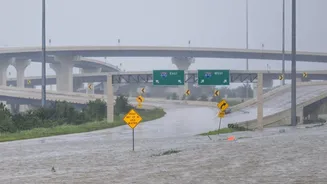
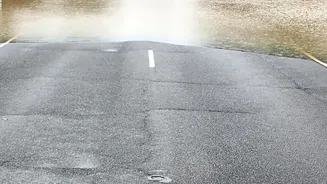
The real culprit behind the floods is not the total volume of rain but its intensity. When a massive amount of rain falls in just a few hours or days, it's called an extreme rainfall event. The ground, often baked hard by a preceding dry spell, cannot absorb the water fast enough. The result is rapid surface runoff. Think of it like watering a plant: a slow, steady drip is absorbed, but a bucket of water thrown all at once simply washes away the topsoil. This year, cities like Gurugram saw over 60mm of rain in a single day, leading to widespread waterlogging. Similarly, parts of Kerala experienced flash floods and landslides in June despite the state's overall rainfall being 32% below normal at the time. These short, furious downpours overwhelm natural and man-made drainage systems almost instantly.
Our Cities Are Not Sponges
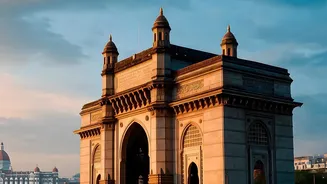
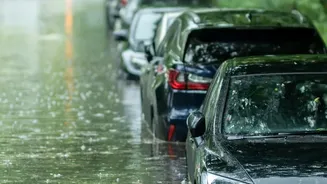
This problem is severely amplified in urban areas. Rapid, often unplanned, urbanisation has transformed our cities into concrete jungles. Natural sponges like lakes, wetlands, and green spaces, which would have absorbed excess rainwater, have been paved over for buildings and roads. This leaves the water with nowhere to go. Furthermore, many urban drainage systems are old, poorly maintained, or clogged with solid waste, rendering them incapable of handling the volume of water from a modern extreme rain event. The result is the now-familiar sight of gridlocked traffic on flooded streets and water entering homes and businesses, a situation seen from Delhi to Mumbai to Bengaluru year after year.
A Geographical Lottery
The term 'uneven' is critical. A national average can be dangerously misleading. The 2026 monsoon saw severe deficits in southern and northeastern states while other areas faced a deluge. In July, Assam was battling floods that inundated 12 districts, even though the state had a 30% rainfall deficit for the season. In early September, severe monsoon flooding affected millions in Bihar and Uttar Pradesh as rivers swelled, while Peninsular India was experiencing subdued rainfall. This geographical disparity means that while one part of the country is praying for rain to save crops, another is being evacuated from rising floodwaters. This volatility makes nationwide resource and disaster management incredibly challenging.
A New, Unpredictable Normal
This pattern of long dry spells interrupted by intense downpours is not a freak occurrence; scientists suggest it is the new normal, influenced by factors including climate change and phenomena like El Niño. The monsoon is becoming harder to predict and more extreme in its behaviour. While overall seasonal rainfall may decrease, the frequency of chaotic, flood-triggering downpours is expected to rise. This shift means that our historical understanding of the monsoon is no longer a reliable guide. Our infrastructure, from city drains to agricultural practices, was built for a different, more predictable climate.