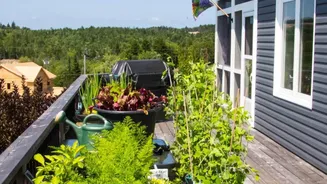




Why Containers Dry Out Faster
The primary reason container-grown kiwis need more water is simple physics. A pot contains a limited volume of soil, which means it holds a smaller reservoir of moisture compared to the vast expanse of a garden bed. This soil also heats up more quickly,
especially in dark-coloured pots exposed to the strong Indian sun, leading to faster evaporation. Furthermore, proper container setups require excellent drainage to prevent root rot, but this benefit comes with a trade-off: water exits the pot more readily. A ground-planted vine can send its roots deep into the earth searching for moisture, a luxury a potted plant doesn't have. Its shallow root system is entirely dependent on the moisture available within the container's confines.
Choosing the Right Pot
Success begins with selecting the right home for your vine. A kiwi plant needs a large container to support its vigorous growth and extensive root system. Start with a pot that is at least 18-24 inches (45-60 cm) in both diameter and depth. While it might be tempting to start with a massive pot, it is better to gradually increase the pot size over several seasons. This encourages the roots to fill the space properly without the risk of the soil staying too wet. Most importantly, ensure the pot has ample drainage holes. Kiwifruit vines hate 'wet feet', and waterlogged soil is a quick way to kill the plant. Terracotta pots are porous and allow for good air exchange, but they also dry out faster. Plastic pots retain moisture longer but can get hotter in direct sun.
Creating the Perfect Soil Mix
Never use regular garden soil in your pots. It compacts easily, suffocating roots and impeding drainage. Instead, use a high-quality, well-draining potting mix. The ideal blend for a container-grown kiwi is one that holds moisture without becoming waterlogged. You can create your own by mixing a soil-less potting medium with plenty of organic matter, like well-rotted compost or manure. Adding materials like perlite or coarse sand will further improve drainage. Kiwis prefer a slightly acidic to neutral soil pH, typically between 5.5 and 7.0. An annual top-dressing of compost will not only feed the plant but also help improve the soil's structure and moisture-retention capabilities over time.
The Art of Watering Correctly
Forget a rigid schedule and learn to read your plant and the soil. The most reliable method is the finger test: insert your finger about an inch into the soil. If it feels dry, it's time to water. When you do water, do it deeply and thoroughly. Pour water evenly over the soil surface until it begins to run freely from the drainage holes at the bottom. This ensures the entire root ball is saturated. Discard any excess water from the saucer beneath the pot to prevent the plant from sitting in stagnant water. During the peak heat of summer, you may need to water your potted kiwi daily, while in cooler months or during the monsoon season, the frequency will decrease. Established plants in the ground might only need watering during prolonged dry spells, but container plants will need your attention far more regularly.
Beyond Just Water
Proper watering is part of a holistic approach to care. Applying a layer of organic mulch, such as bark chips or straw, on top of the soil can dramatically reduce evaporation, keep the roots cool, and suppress weeds. Container-grown kiwis are also heavy feeders and will require more regular fertilisation than ground-planted ones, as nutrients leach out with each watering. Use a balanced fertiliser in the spring, switching to a high-potash feed, like a tomato feed, during the growing season to encourage fruiting. Finally, remember that kiwi vines are vigorous climbers and will need a strong trellis or support structure to grow on, even in a pot.