





From Lockdown Hobby to Conscious Kitchen
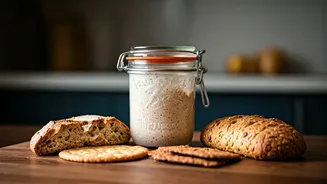
The initial wave of sourdough baking that swept through India was a response to lockdowns, a quest for a new skill and the simple comfort of freshly baked bread. Many of those starter jars, bubbling away on kitchen counters, are still active. However,
the focus has shifted from simply perfecting a crusty loaf to tackling the inevitable byproduct of maintaining a starter: the discard. What was once seen as waste is now being recognized as a versatile, flavourful ingredient. This evolution marks a maturing of the home baking movement, moving from a hobbyist pursuit to a more thoughtful and sustainable culinary practice that is gaining traction across cities like Mumbai, Delhi, and Bengaluru.
The Allure of the Zero-Waste Angle
At its heart, the sourdough discard trend is a powerful statement against food waste. For every feed, a portion of the starter must be removed to keep the yeast culture healthy. Throwing this out daily feels inherently wasteful, especially to a growing number of environmentally-conscious urban consumers. Using the discard in other recipes isn't just practical; it's an act of sustainable cooking. This aligns perfectly with a broader shift towards minimizing kitchen waste and making the most of every ingredient. This zero-waste philosophy is a significant driver, turning a simple byproduct into a symbol of conscientious consumption.
A Canvas for Indian Flavours
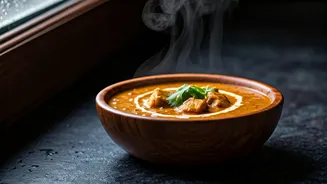
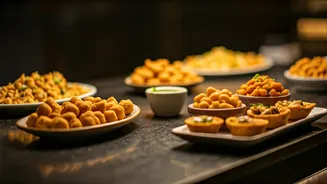
Perhaps the most exciting aspect of this trend is its distinctly Indian flavour. Home bakers are not just making the usual pancakes and crackers. They are ingeniously incorporating sourdough discard into traditional Indian recipes, creating a delicious fusion. The natural tang of the discard beautifully complements the flavour profiles of many Indian breads and snacks. Kitchens are churning out sourdough discard dosas, uttapams, bhaturas, and even adding it to the dough for naan and kulcha to give them a softer texture and a complex flavour. This adaptation feels natural in a country with a rich history of fermented foods like idli and dhokla, making sourdough feel less like a foreign import and more like a welcome cousin.
The Health Halo Effect
Sourdough has long enjoyed a reputation as a healthier alternative to commercially yeasted bread, and some of that halo extends to its discard. The fermentation process involved in creating a starter breaks down gluten and phytic acid, which can make baked goods easier to digest for some. The discard is a source of probiotics, fibre, and various B vitamins. While the high heat of cooking can diminish some of these benefits, the perception of adding a nutritious, fermented element to everyday meals is a powerful motivator. For health-conscious urbanites, using discard is another way to incorporate the perceived wellness benefits of fermented foods into their diet.
Community and Digital Inspiration
Like the original sourdough wave, the discard trend is being fuelled by online communities. Instagram feeds, Facebook groups, and WhatsApp chats are buzzing with bakers sharing their creative discard experiments. These digital forums provide a platform for exchanging recipes, troubleshooting techniques, and showcasing everything from masala sourdough crackers to discard-infused parathas. This collective creativity inspires more people to see their discard jar not as a problem to be managed, but as a source of endless culinary possibilities. The social aspect has been crucial in transforming a niche baking byproduct into a mainstream movement within the home-baking community.