





The Awakening: Energize with Sunrise Yoga
A morning yoga practice is designed to awaken the body and sharpen the mind. The quiet stillness of the early hours provides an ideal environment for focus, free from the distractions that accumulate throughout the day. This timing syncs with your body's
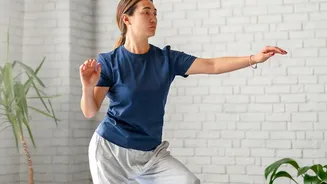
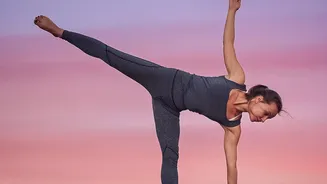
natural rhythm, helping to kick-start your metabolism and boost circulation. Morning sessions often focus on dynamic, flowing sequences that build heat and energy. Sun Salutations (Surya Namaskar) are a classic example, a series of poses that synchronizes breath with movement to warm up the entire body. Other energizing poses like Chair Pose (Utkatasana), High Lunge, and gentle backbends such as Camel Pose can activate major muscle groups, improve posture, and prepare you for the day ahead. Starting your day this way can increase physical energy and mental clarity, potentially even reducing the need for that extra cup of coffee.
The Unwind: Relax with Sunset Practices
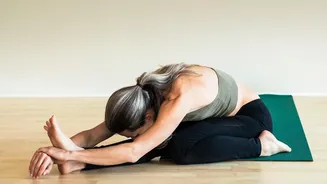
As the day ends, the focus of yoga shifts from activation to relaxation. An evening practice is a powerful tool for shedding the physical and mental tension accumulated over hours of work, commuting, and screen time. It helps activate the parasympathetic nervous system, also known as the “rest and digest” system, which lowers cortisol levels and signals to your body that it's time to slow down. This makes evening yoga particularly effective for improving sleep quality and alleviating symptoms of insomnia. Practices are typically slower and more grounding. Restorative and Yin yoga styles are popular choices, using props like bolsters and blankets to support the body in gentle, long-held poses. Stretches such as Seated Forward Bend, Reclined Spinal Twist, and Child’s Pose help release tension in the back, hips, and shoulders, while quieting a racing mind. The goal is not an intense workout but a mindful transition toward deep, restorative rest.
Your Body's Rhythm: Flexibility and Warmth
Your body is in a different state in the morning versus the evening, which directly impacts your practice. When you wake up, your muscles and joints tend to be stiffer after hours of stillness. A morning practice, therefore, is excellent for gently increasing flexibility and range of motion before daily activities begin. It's a way to soothe and lengthen muscles, which can prevent cramping and aches later in the day. In the evening, your body is naturally warmer and more supple from a full day of movement. This can make it easier and safer to explore deeper stretches and poses that target connective tissues, as seen in Yin yoga. While you might feel more flexible at sunset, the focus remains on gentle release rather than pushing your limits, ensuring the practice is calming rather than stimulating.
Making the Choice: Aligning with Your Goals
Ultimately, the best time to practice yoga depends on your personal schedule, lifestyle, and wellness goals. There is no single correct answer. If your primary aim is to boost energy, establish a consistent routine, and improve mental focus for the day, a sunrise session may be ideal for you. It sets a positive tone and ensures your practice gets done before other commitments take over. If you struggle with stress, anxiety, or poor sleep, a sunset practice could be transformative. It provides a dedicated space to decompress and prepare your body and mind for rest. Don't be afraid to experiment. Try practicing at different times and notice how your body and mind respond. Some people even benefit from a short, energizing flow in the morning and a few calming stretches before bed. The key is consistency; even 10-15 minutes of daily yoga can yield significant benefits over time.