


The 'No PUC, No Fuel' Mandate Explained
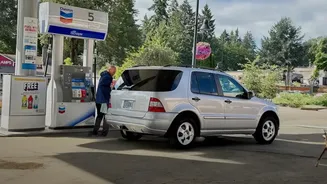
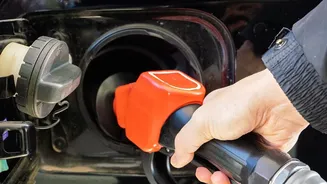
Starting from October 1, 2026, authorities across Delhi-NCR have intensified the 'No PUC, No Fuel' rule. This means that fuel stations—selling petrol, diesel, and CNG—will deny service to any vehicle that does not have a valid Pollution Under Control
(PUC) certificate. This measure, first introduced in Delhi, has now been expanded to cover surrounding NCR districts in Haryana, Uttar Pradesh, and Rajasthan as part of a coordinated effort by the Commission for Air Quality Management (CAQM) to curb vehicular emissions ahead of the peak pollution season. Many fuel pumps are being equipped with Automatic Number Plate Recognition (ANPR) cameras that are linked to the central Parivahan database to automatically verify a vehicle's PUC status before dispensing fuel. Where automated systems are not yet active, staff will manually check for a valid certificate.
Why This Rule Is Being Enforced Now
This stringent enforcement is a key component of the region's annual battle against the severe winter air pollution that chokes Delhi-NCR. Vehicular emissions are a significant contributor to the toxic smog, and ensuring that all vehicles comply with emission standards is seen as a critical step in mitigating the public health crisis. The rule aims to compel vehicle owners to maintain their engines and exhaust systems properly, thereby reducing the overall pollution load. By linking a basic necessity like fuel to an environmental compliance document, authorities hope to achieve widespread adherence that routine traffic checks alone cannot accomplish. The enforcement has already led to long queues at both fuel stations and PUC testing centres, as many residents rush to get their certificates renewed.
How to Get or Renew Your PUC Certificate
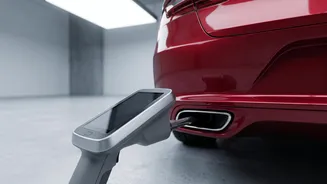
Getting a PUC certificate is a straightforward, albeit offline, process. You must take your vehicle to a government-authorized emission testing centre, many of which are located at fuel stations. A technician will use a device to measure your vehicle's exhaust emissions. If the readings for pollutants like carbon monoxide and hydrocarbons are within the prescribed limits, a certificate is issued almost immediately. The cost is nominal, typically around ₹60-₹80 for two-wheelers and petrol cars, and about ₹100 for diesel vehicles. While the test is physical, you can check your certificate's status and download a digital copy from the official Parivahan portal using your vehicle's registration and chassis numbers. A PUC certificate is generally valid for one year for newer BS-IV and BS-VI vehicles, but may require renewal every six months for older models.
Penalties for Non-Compliance
The consequences of not having a valid PUC certificate go beyond being denied fuel. Under Section 190(2) of the Motor Vehicles Act, driving without a valid PUC can result in a hefty fine of up to ₹10,000. In some cases, repeated offenses could even lead to imprisonment for up to three months or suspension of your driver's license. With the new automated ANPR systems at fuel pumps, non-compliant vehicles are automatically flagged, making enforcement more efficient and harder to evade. This enforcement drive is separate from regular traffic police checks, which also continue to penalize vehicles without a valid PUC on the road.
Exemptions and Important Considerations
Not all vehicles are subject to this rule. All-electric vehicles (EVs) are fully exempt as they have zero tailpipe emissions. Additionally, brand new vehicles are exempt for the first year from their date of registration, after which they must undergo their first PUC test. While CNG vehicles are cleaner than their petrol and diesel counterparts, they are still required to have a valid PUC certificate and will be denied fuel if they don't. It is also important to note that end-of-life vehicles—petrol vehicles older than 15 years and diesel vehicles older than 10 years in Delhi—cannot be issued a PUC certificate and are not legally permitted to be on the roads.