



The Magic of the Rain-Shadow
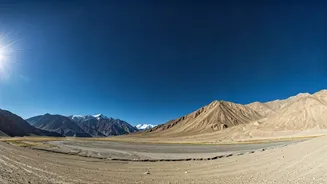
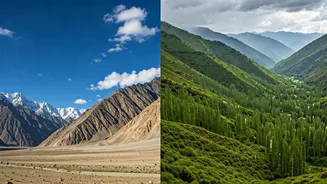
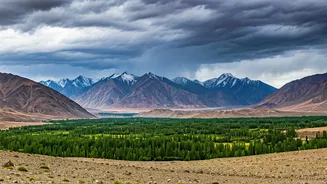
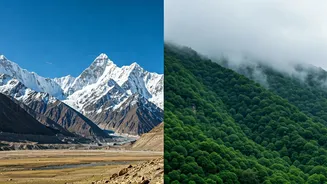
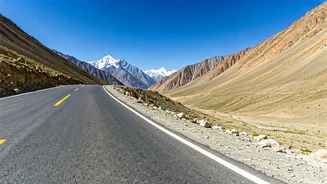
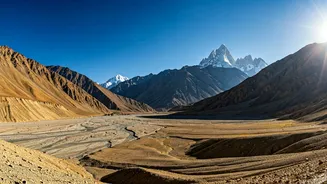
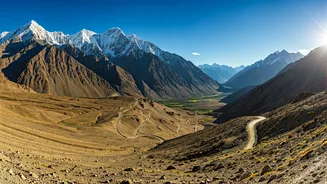
Ladakh's primary allure in July is a simple geographical marvel: the rain-shadow effect. The towering Himalayan ranges to its south block the moisture-laden monsoon clouds that cause widespread rain across the subcontinent. As a result, Ladakh remains
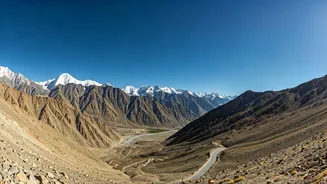
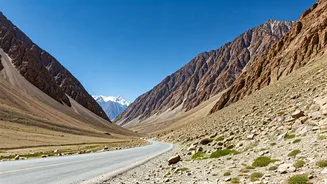
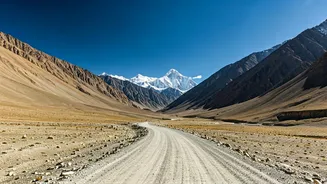
remarkably dry, receiving less than 100 millimetres of precipitation annually. While other destinations contend with downpours, Ladakh in July typically enjoys pleasant, sunny days with average temperatures in Leh hovering around 21-25°C, although nights remain cool, dropping to about 7-10°C. This makes it the peak tourist season, as all roads and high passes are reliably open, providing access to every corner of the region.
A Canvas of July Experiences
With the landscape fully accessible, July is the perfect time to explore Ladakh's iconic sights. A trip to the breathtaking Pangong Tso, a high-altitude lake known for its shifting shades of blue, is a must. Equally captivating is the journey to Nubra Valley via Khardung La, one of the world's highest motorable passes. In Nubra, you can experience the surreal sight of sand dunes in a cold desert and ride the unique double-humped Bactrian camels. July also hosts several vibrant monastic festivals, such as Hemis Tsechu, which showcases traditional masked dances and rituals, offering a deep dive into Ladakhi culture. For adventure seekers, river rafting on the Zanskar and Indus rivers is at its peak.
The Crucial First Step: Acclimatization
The single most important rule for a safe Ladakh trip is proper acclimatization. Leh is situated at an altitude of about 11,500 feet, where oxygen levels are significantly lower. To prevent Acute Mountain Sickness (AMS)—which can cause headaches, dizziness, and nausea—it is mandatory for tourists arriving by air to rest for a minimum of 48 hours upon arrival in Leh. During this period, avoid any strenuous activity, including immediate trips to high passes. Instead, take short, gentle walks around Leh town, stay well-hydrated by drinking 4-5 litres of water daily, and avoid alcohol. This allows your body the essential time it needs to adjust to the altitude before you venture higher.
Navigating Permits and Practicalities
To visit popular areas like Nubra Valley, Pangong Lake, and Tso Moriri, travelers need an Inner Line Permit (ILP) for Indian citizens or a Protected Area Permit (PAP) for foreign nationals. These permits are easily obtainable online or in person at the Deputy Commissioner's office in Leh and are required to pass through various checkpoints. It's wise to carry multiple photocopies of your permit. When packing, think in layers. You'll need light cotton clothes for sunny afternoons, but also warm jackets, thermals, and gloves for cold nights and trips to high passes. Sunscreen, sunglasses, and a hat are non-negotiable due to the harsh high-altitude sun. Since July is peak season, booking flights and accommodations several weeks or even months in advance is highly recommended to avoid high prices and secure your stay.