



The Next Giant Leap: From Exploration to Utilization
India is gearing up for its next chapter in lunar exploration, a phase that transitions from pure scientific discovery to resource utilization. The focus is squarely on the Moon's south pole, a region believed to hold vast reserves of water ice in its permanently
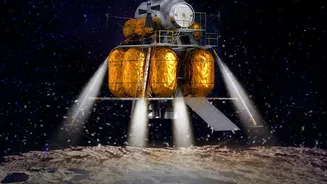
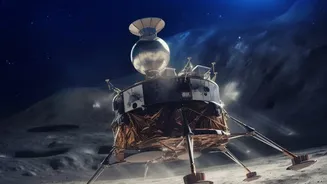
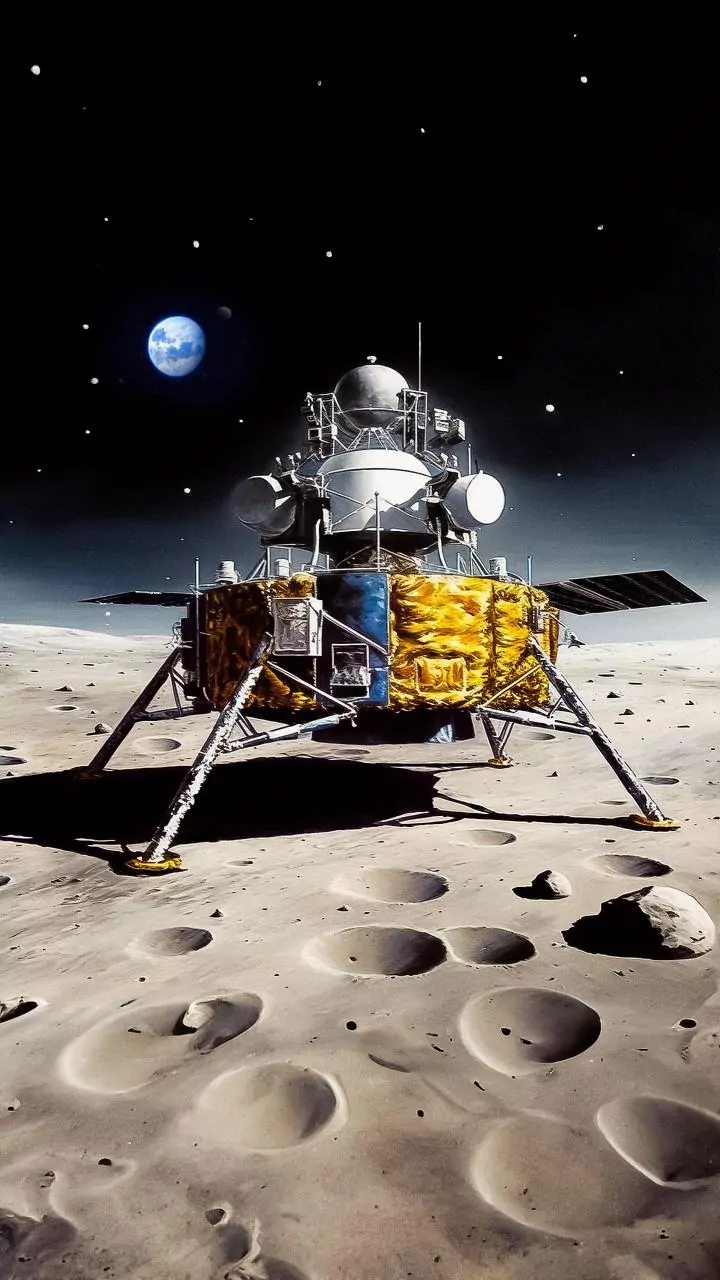
shadowed craters. Two key missions are on the horizon: Chandrayaan-4, a national effort planned for 2027, and the Lunar Polar Exploration Mission (LUPEX), a joint project with the Japan Aerospace Exploration Agency (JAXA) slated for no earlier than 2028. While Chandrayaan-4 is designed to be India's first lunar sample-return mission, bringing back regolith from the south pole, LUPEX is specifically aimed at prospecting for this ice. Together, they represent a strategic pivot towards establishing a long-term presence on the Moon.
Why the South Pole is the Moon’s Hottest Real Estate
The lunar south pole has captivated scientists and space agencies globally for one primary reason: the potential for water. Unlike other parts of the Moon, this region contains Permanently Shadowed Regions (PSRs)—deep craters and trenches that have not seen sunlight in billions of years. Within these ultra-cold traps, where temperatures can plummet to -248°C, scientists believe significant quantities of water ice are preserved. Data from ISRO's own Chandrayaan-2 orbiter has provided compelling evidence of subsurface ice in these regions. This confirmation has turned the south pole into a high-priority destination for nations with lunar ambitions, including India, the US, and China, sparking a new kind of space race for resources.
The Immense Value of Lunar Water
Finding and extracting water on the Moon would be a monumental achievement, fundamentally changing the economics of space exploration. Water is not just for drinking. Through electrolysis, it can be separated into hydrogen and oxygen. This provides breathable air for astronauts and, critically, the two key components of rocket propellant. Being able to refuel spacecraft on the Moon would effectively create a lunar pit stop for missions deeper into the solar system, such as to Mars. It would drastically reduce the cost and complexity of long-duration missions, which currently must carry all their fuel from Earth. This makes lunar ice the single most valuable resource for supporting a sustainable human presence beyond our planet.
The Engineering Challenge: How to Mine the Moon
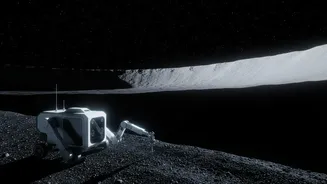
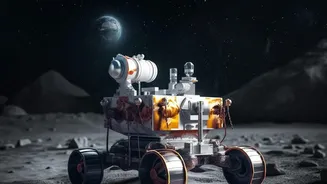
Extracting water from the lunar surface is a formidable engineering task. The ice is not a solid block but is mixed with lunar soil (regolith) at incredibly low temperatures. The LUPEX mission provides a glimpse into how it might be done. The mission plan involves a lander, delivered by ISRO, and a sophisticated rover developed by JAXA. This rover will be equipped with a drill capable of extracting sub-surface samples from up to 1.5 meters deep. Instruments on board, including some from NASA, will then analyze these samples. One common extraction concept involves heating the icy regolith in a contained chamber. As the ice sublimates—turning directly from a solid into a gas in the lunar vacuum—the water vapor is captured and then condensed back into liquid or solid form. Every step must be performed by robotic systems in one of the harshest environments in the solar system.
India’s Strategic Role in the New Space Economy
Through missions like Chandrayaan-4 and LUPEX, India is positioning itself not just as a scientific explorer but as a key player in the future lunar economy. Chandrayaan-4 will prove critical technologies for landing, collecting samples, and—for the first time for India—launching from the lunar surface and returning to Earth. This builds the foundational capability for more complex missions. The LUPEX collaboration with Japan, which also involves instruments from NASA and ESA, demonstrates India’s growing role as a trusted international partner in major space endeavors. By focusing on in-situ resource utilization (ISRU), ISRO is looking beyond national pride and towards the practical, long-term goal of making space a sustainable frontier for humanity, with India at the forefront of this new chapter.