




Why Prioritise Protein in the Morning?
Starting your day with a protein-rich meal is a game-changer for several reasons. Protein is the most satiating macronutrient, meaning it helps you feel full and satisfied for longer, reducing the urge for mid-morning snacks. This sustained energy release
helps prevent the blood sugar spikes and crashes often associated with carbohydrate-heavy breakfasts. For those with fitness goals, a protein-packed breakfast supports muscle repair and maintenance. Aiming for 15-25 grams of protein can set a strong foundation for your nutritional needs for the rest of the day, and it's entirely achievable without a single egg.
The Power of Paneer and Tofu
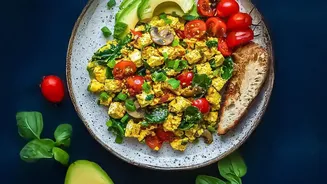
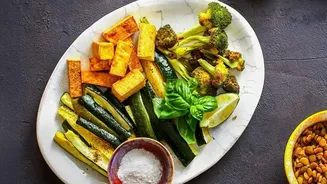
Paneer and tofu are breakfast heroes for vegetarians. A 100g serving of paneer contains a mighty 18-20 grams of protein, making it one of the most protein-dense vegetarian options available. A classic paneer bhurji (scrambled paneer with onions, tomatoes, and spices) served with whole-wheat toast is a complete and flavourful breakfast. Firm tofu is another excellent choice, offering a comparable amount of protein to paneer when you compare them calorie-for-calorie. A 100g serving of firm tofu provides about 8-17 grams of protein, depending on its firmness. A tofu scramble, seasoned with turmeric, salt, and pepper to mimic the look and feel of scrambled eggs, is a fantastic vegan alternative.
Rethinking Lentils and Legumes
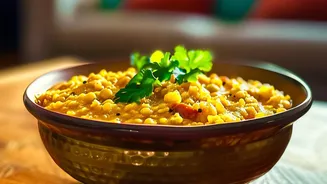
Lentils for breakfast? Absolutely. They are an underrated source of plant-based protein and fibre. A 'moong dal cheela', a savoury crepe made from yellow lentils, is a traditional Indian breakfast that is both delicious and nutritious, with two cheelas providing around 11-13 grams of protein. Similarly, 'besan cheela', made from chickpea flour, is another protein-rich option. You can even make savoury porridge with red lentils and oats for a creamy, high-protein meal that will keep you full until lunch. Don't forget about sprouted moong salad or black beans on avocado toast for a quick and easy protein boost.
Embrace Dairy: Yogurt and Beyond
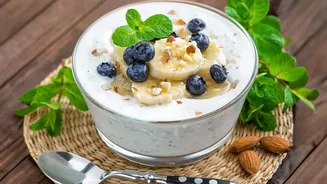
Greek yogurt, or hung curd, is a protein powerhouse. A single 200g serving can deliver between 15 and 20 grams of protein. Its thick, creamy texture makes it a perfect base for a breakfast bowl. Top it with fresh fruit, a sprinkle of nuts, and a spoonful of chia seeds for added texture, fibre, and healthy fats. Cottage cheese is another star performer, with a one-cup serving packing around 27 grams of protein. It can be enjoyed sweet with fruits like peaches and a dash of cinnamon, or savoury. These dairy options are quick, require no cooking, and can be easily customised to your liking.
Seeds and Grains for Sustained Energy
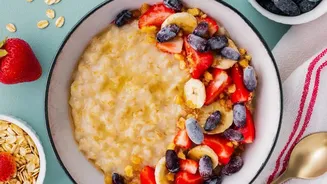
Don't underestimate the power of seeds and whole grains. Chia seeds and flax seeds, when added to smoothies, puddings, or yogurt, provide a good dose of protein, fibre, and omega-3 fatty acids. A chia seed pudding, made by soaking the seeds in milk overnight, creates a ready-to-eat breakfast with about 5-6 grams of protein even before adding toppings. Quinoa is another fantastic option; a cup of cooked quinoa offers about 8 grams of protein, nearly double that of oatmeal. Cooking quinoa in milk instead of water can further increase its protein content, creating a creamy and satisfying porridge.
Smoothies and Shakes for a Quick Fix
When you're short on time, a protein smoothie is an ideal solution. Combining a scoop of plant-based protein powder with almond or soy milk, a handful of spinach, and a banana can create a balanced and filling meal in minutes. You can also build a high-protein smoothie without powders. A blend of Greek yogurt, fruits, and nut butter can easily provide 20-30 grams of protein. For a uniquely Indian take, a refreshing 'sattu' drink, made from roasted chickpea flour, is a traditional and hydrating option loaded with natural protein.