



The Green Takeover: Meet Matcha and Moringa
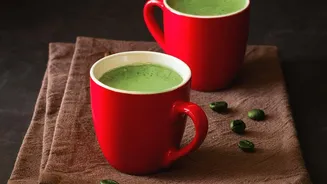
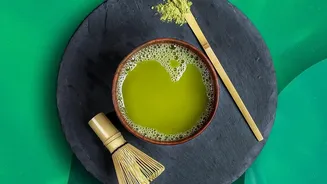
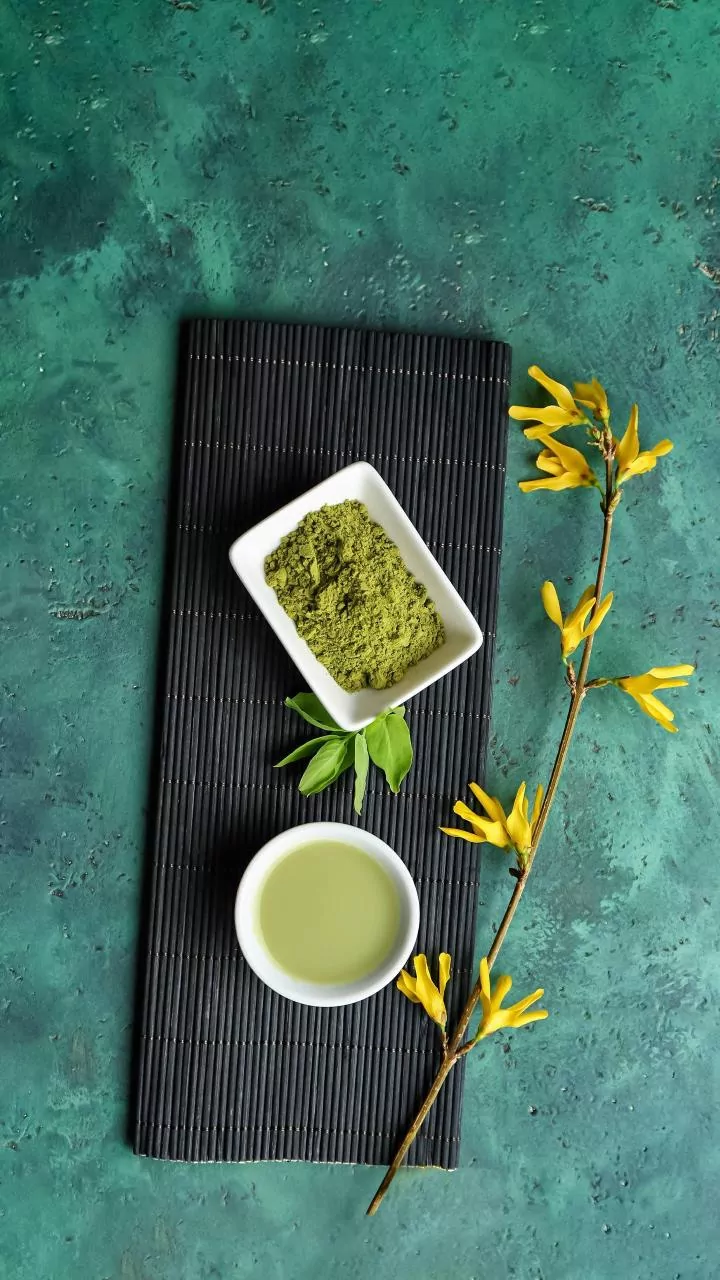
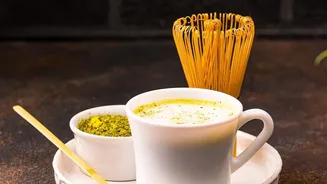
The two stars of this green revolution are matcha and moringa. While they may look similar in the cup, they are distinct powerhouses. Matcha is a finely ground powder of specially grown and processed green tea leaves, originating from Japan. It has been
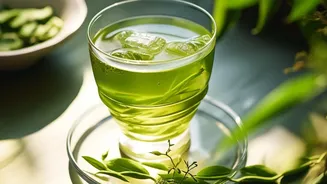
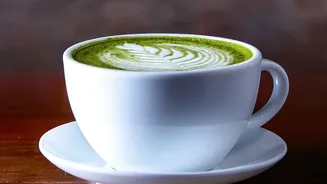
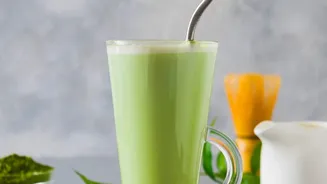
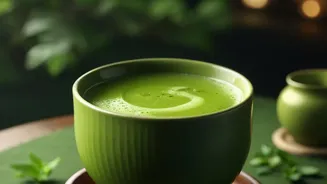
a cornerstone of Japanese tea ceremonies for centuries and is known for its complex, earthy flavour. On the other hand, moringa is derived from the leaves of the moringa oleifera tree, often called the “miracle tree,” which is native to parts of India and Africa. Rather than a tea, it's a nutrient-dense herbal powder. While matcha is making waves as a trendy global import, moringa offers a wellness boost with deep-seated local roots. Cafes are now serving both, often as creamy, dairy or oat-milk lattes that are as beautiful as they are popular.
A Sip of Perceived Wellness
Much of the demand is fuelled by a growing health consciousness among urban Indians. Consumers are actively seeking functional beverages that offer more than just flavour. Matcha is celebrated for being rich in antioxidants — reportedly much more than standard green tea because you consume the entire leaf. It also contains a unique combination of caffeine and an amino acid called L-theanine, which is said to promote a state of 'calm alertness' without the jitteriness some experience from coffee. Moringa, meanwhile, is entirely caffeine-free, making it an ideal choice for any time of day. It is packed with vitamins, minerals, and all nine essential amino acids, making it a complete plant-based protein. People drink it for a gentle, stimulant-free energy lift and its purported immune-supporting properties.
The Artisanal Difference
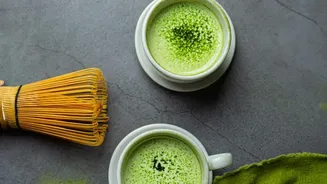
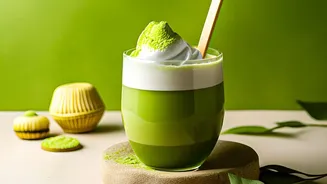
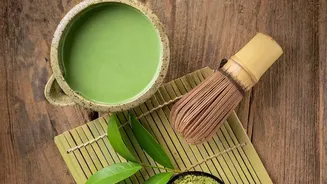
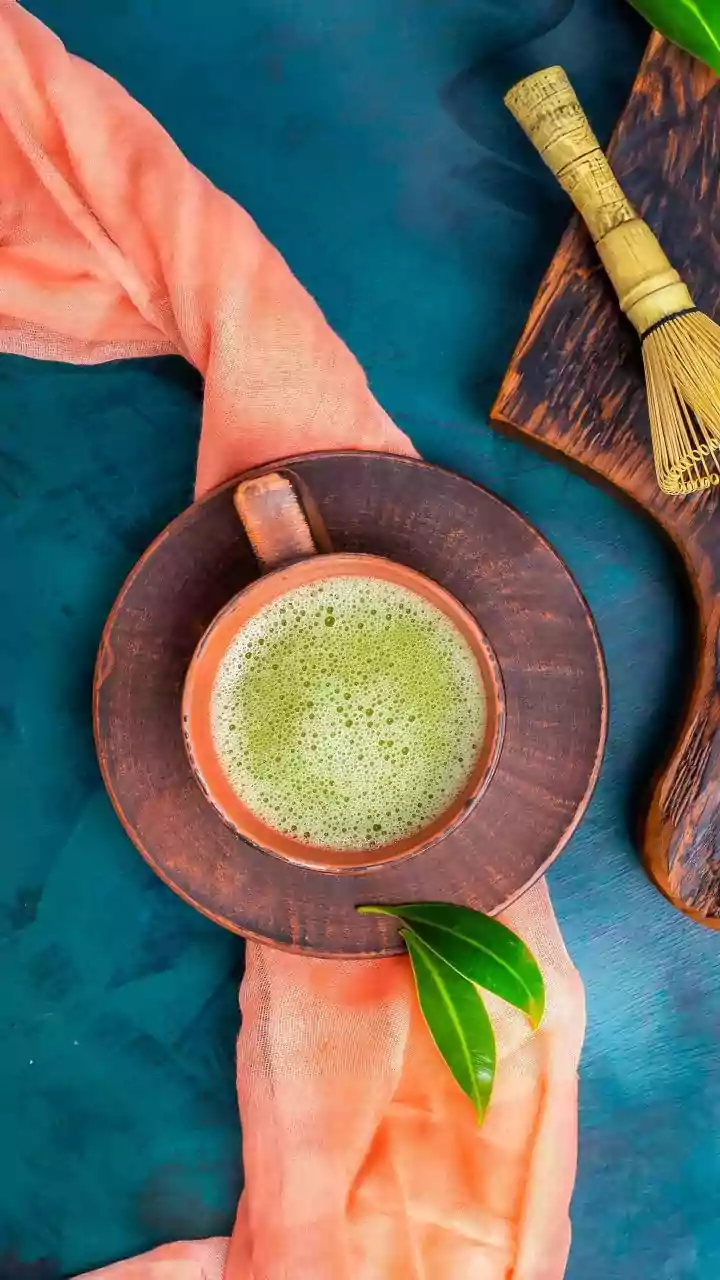
This isn't just about mixing green powder with milk. The term 'artisanal' points to a focus on quality and craft. Top-tier cafes are sourcing ceremonial-grade matcha from Japan, which is made from the youngest tea leaves and has a smoother, naturally sweeter taste compared to lower grades. The preparation is also key, often involving traditional whisking techniques to create a smooth, frothy texture. The creativity is boundless, with cafes in Mumbai and Bengaluru offering everything from Strawberry and Mango Matcha Lattes to more adventurous pairings like Matcha with Aam Panna or Pallonji's Ice Cream Soda. This commitment to quality and innovation elevates the drink from a simple novelty to a premium experience.
More Than a Drink, It's a Vibe
The popularity of green lattes is deeply connected to modern digital culture. Their striking pastel green hue is visually arresting, making them a natural fit for Instagram feeds and TikTok reels. This aesthetic appeal has turned the drinks into a cultural signifier, synonymous with the global 'clean girl' trend that emphasizes wellness, minimalism, and curated living. For many young, urban consumers, ordering a matcha or moringa latte is about more than just a beverage; it’s a lifestyle statement. It signals an alignment with global trends, a focus on personal well-being, and an appreciation for aesthetics, making it the perfect accessory for a work-from-cafe afternoon or a weekend catch-up.
Are They Worth the Price?
This premium experience comes at a price, with artisanal lattes typically costing between ₹250 and ₹450 in metro cafes. The cost reflects the use of high-quality, often imported, ingredients and the skill involved in their preparation. While this might seem steep, a growing segment of consumers is willing to pay. The precedent set by international coffee chains has normalized premium beverage pricing in India. For many, the perceived health benefits, the unique flavour profile, and the social currency that comes with being part of a popular trend make it a worthwhile indulgence. It's a small luxury that aligns with a broader shift towards valuing quality and experience over quantity.