


The Threat of Landslides
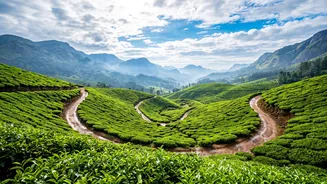
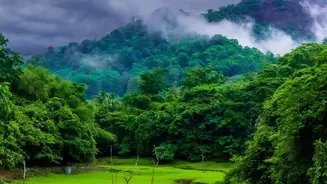
The most significant danger in the hills during monsoon is landslides. Heavy, persistent rain saturates the soil on steep slopes, making them unstable. Regions in the Himalayas, like parts of Himachal Pradesh and Uttarakhand, and the Western Ghats, including
Munnar and Coorg, are particularly vulnerable. These events can block roads for hours or even days, stranding travellers. Before you travel, check local disaster management authority websites and news reports for any warnings or recent slides on your intended route. Be particularly cautious on roads that are cut into the side of a hill, and avoid travelling during heavy downpours when the risk is highest. Some areas may even have travel advisories against visiting during peak monsoon months like July and August.
Treacherous and Unpredictable Roads
Monsoon rains can turn scenic mountain roads into dangerous obstacle courses. Poor visibility due to fog and heavy rain is a common problem. Waterlogging, potholes hidden under puddles, and slippery surfaces increase the risk of accidents. A particularly serious threat is falling debris, from small stones to large rocks, which can be dislodged by rain. It is strongly advised to avoid driving in the hills at night during the monsoon. When driving, maintain a slow speed, keep a safe distance from the vehicle ahead, and use lower gears when going downhill to avoid overheating your brakes. If possible, hire an experienced local driver who is familiar with the terrain and safer alternative routes.
Flash Floods and Swollen Waterways
A serene stream or a gentle river can transform into a raging torrent within minutes due to a sudden cloudburst upstream. Flash floods are a serious and fast-developing hazard. Never attempt to cross a road that is flooded, and stay well away from the banks of overflowing rivers and streams. The picturesque waterfalls you came to see can also be dangerous, with water levels rising unexpectedly. Always maintain a safe distance and heed any local warnings. It's common for authorities to close access to popular waterfalls and riverside spots during periods of heavy rain for safety reasons.
Health and Hygiene Concerns
The monsoon season brings a higher risk of certain health issues. Water-borne diseases like typhoid and gastroenteritis become more common due to potential water contamination. It is crucial to drink only bottled, boiled, or purified water and to be cautious about street food, which may be exposed to contaminated water. The damp, humid weather is also ideal for mosquitoes, increasing the risk of diseases like dengue and malaria. Pack a good insect repellent and consider wearing long-sleeved clothing, especially in the evenings. Your travel kit should also include basic medicines for fever and stomach upsets, antiseptic creams, and waterproof bandages.
Power Cuts and Connectivity Issues
Stormy weather in the mountains often leads to power outages that can last for several hours. Mobile networks and internet connectivity can also be unreliable, especially in more remote locations. While a digital detox can be nice, it can pose a problem in an emergency. Before you leave, ensure you have fully charged power banks for your devices. It's also a good practice to download offline maps of your destination and save important contact numbers—like your hotel, local police, and emergency services—directly to your phone. Inform a friend or family member of your detailed travel itinerary so someone knows where you are supposed to be.