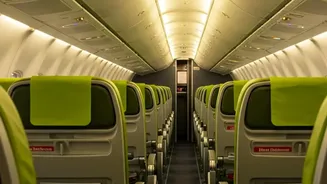








Ever notice how your favourite snack tastes a little... off during a flight? Or how that car-trip coffee seems bland? It’s not your imagination. The unique environment inside transportation vehicles wages a subtle war on your senses.
The Triple Threat to Your Taste Buds
The reason your meal
tastes different at 35,000 feet, or even just cruising down the highway, comes down to a trio of environmental factors: low pressure, low humidity, and loud background noise. While most famously associated with air travel, these conditions exist to varying degrees in cars and trains, too. Each factor systematically dulls your ability to perceive flavour, especially the more subtle notes in food and drink. Studies show that our sensitivity to sweet and salty tastes can drop by as much as 30% in these conditions. It’s less about the food itself and more about how your body interprets it in a strange environment.
Pressure and Dryness Numb Your Senses
The first major culprits are low atmospheric pressure and humidity. Commercial aircraft cabins are pressurized to the equivalent of being 6,000 to 8,000 feet up a mountain. This lower pressure, combined with cabin humidity levels that can dip below 12%—drier than most deserts—has a profound effect on your nose and mouth. Flavour is overwhelmingly derived from smell; some estimates suggest it accounts for 80% of what we perceive as taste. When your nasal passages dry out, your olfactory receptors can't function properly, muting the aromatic compounds that define a dish's character. Your production of saliva also decreases, making it harder for your tongue to register tastes.
The Surprising Role of Background Noise
Perhaps the most surprising factor is the constant hum of the vehicle itself. The steady drone of an airplane engine, which hovers around 85 decibels, is loud enough to interfere with your perception of taste. Research from institutions like Oxford University has found that loud background noise specifically suppresses our ability to taste sweet and salty foods. This is why a sweet dessert might seem lacklustre on a plane. Interestingly, the same noise has the opposite effect on 'umami', the fifth basic taste associated with savoury and rich flavours found in tomatoes, mushrooms, and aged cheese. This aural effect enhances umami, explaining why many people inexplicably crave a tomato juice or a Bloody Mary only when they are flying.
Do Vibrations Play a Part?
While noise, pressure, and humidity are the primary factors, some research suggests that the constant, low_frequency vibrations of a vehicle might also play a role. The gentle but persistent shaking of a plane, train, or car could act as a form of distraction for the brain. The theory is that our brains have a finite amount of attention to dedicate to sensory input. The cognitive load of processing these vibrations, even subconsciously, may leave fewer resources available to fully process the nuances of taste and smell. While this area of research is less established, it adds another layer to understanding why eating on the move is such a different sensory experience.
How Airlines Fight the Flavor Fog
Airlines and their caterers are well aware of this sensory sabotage and have developed strategies to compensate. They intentionally create meals with bolder, more intense flavours, often adding more salt and spices than a restaurant on the ground ever would. They also lean heavily into ingredients that are naturally rich in umami, since that is the one taste that is enhanced by the cabin environment. This is why you'll often find dishes with tomato_based sauces, mushrooms, and parmesan on in_flight menus. Acidic and spicy flavours also hold up relatively well at altitude, so curries and tangy dressings are common choices.