



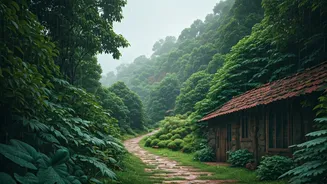


The Land is Reborn in Green
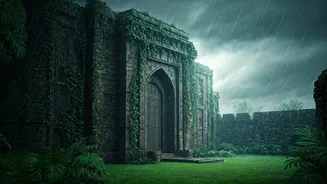
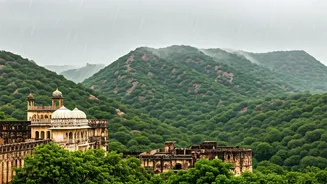
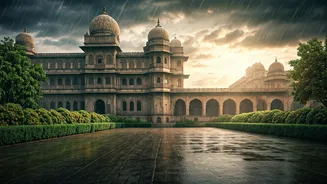
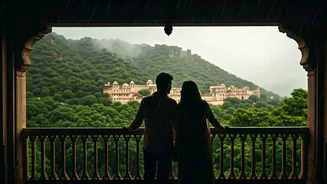
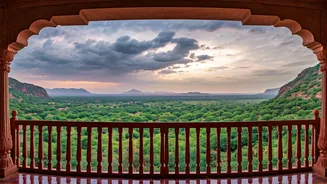
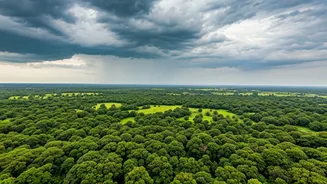
The most dramatic change during the monsoon is the visual transformation. The arid Aravalli hills, typically brown and stark, suddenly burst into a vibrant green. This verdant landscape provides a stunning contrast to the ancient sandstone and marble
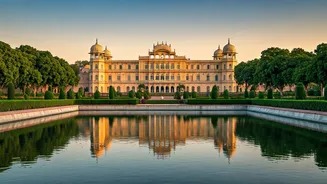
of Rajasthan's forts and palaces. In cities like Udaipur, the lakes, which are the city's soul, swell with rainwater, reflecting the majestic palaces and cloudy skies like a mirror. Places like the Sajjangarh Monsoon Palace, perched high on a hill, were built specifically to watch the rain clouds roll in, offering panoramic views of the glistening city below. The sight of mist swirling around the ramparts of Kumbhalgarh Fort or the gardens of Jaipur's palaces coming to life makes for a truly magical experience.
A Symphony for the Senses
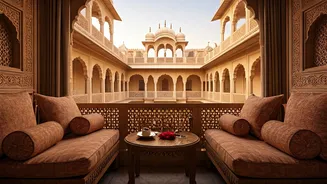
The romance of the monsoon is not just visual; it's a full sensory experience. There is the persistent, soothing sound of rain pattering on ancient stone courtyards and jharokha windows. Then comes the earthy scent of petrichor—the smell of the first rain on dry soil—mingling with the fragrance of blooming flowers in palace gardens. The oppressive summer heat gives way to a cool, refreshing breeze that sweeps through open corridors and terraces. This atmosphere encourages you to slow down. It’s about finding a cozy window seat in a restored haveli, sipping on hot masala chai, and simply watching the world get washed clean. These small moments, away from the usual tourist rush, create a profound sense of peace and intimacy.
Cozy Comforts and Palatial Nooks
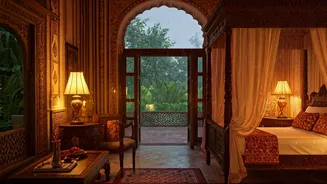
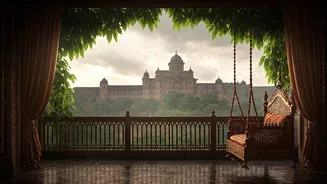
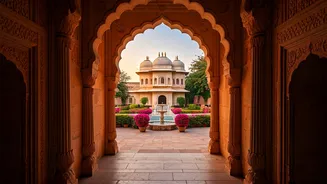
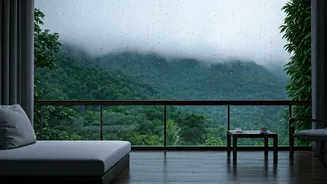
Heritage properties, from grand palaces to intimate havelis, offer the perfect sanctuary during the rains. The contrast between the dramatic weather outside and the opulent comfort inside heightens the romantic mood. Many of these hotels feature rooms with antique furnishings, private balconies, and stunning views of the rain-swept landscape. Imagine reading a book in a quiet library, enjoying a warm meal in a grand dining hall, or simply watching the rain from a beautifully carved balcony. The architecture itself, with its courtyards designed to channel rainwater and pavilions perfect for watching the downpour, feels made for this season. It provides an excuse to disconnect and simply enjoy the luxurious, historical surroundings with a loved one.
Fewer Crowds, More Intimacy
One of the most practical benefits of visiting Rajasthan during the monsoon is the significant drop in tourist crowds. The off-season nature of monsoon travel means you can explore iconic forts and palaces without the usual hustle and bustle. This creates a more personal and intimate experience, as if you have these magnificent historical sites all to yourself. Heritage hotels often offer attractive discounts and special monsoon packages, making a luxurious, royal experience more accessible. This quiet atmosphere allows for unhurried exploration and a deeper connection with the place, turning a simple holiday into a serene and romantic retreat.
A Feast for the Rainy Days
The monsoon also brings its own culinary delights. The cooler weather is perfect for indulging in Rajasthan's rich and flavourful cuisine. Picture enjoying hot, crispy kachoris or mirchi badas from a local vendor while a light drizzle falls. Heritage hotels often curate special monsoon menus, featuring comforting dishes like dal baati churma and seasonal sweets like ghewar, which is especially popular during the Teej festival that falls in this season. Dining in a heritage property, perhaps in a candlelit courtyard or a restaurant overlooking a shimmering lake, becomes an experience in itself, adding another layer to the romantic journey.