


The Resilient Hibiscus
A staple in many Indian gardens, the hibiscus truly comes alive during the monsoon. The combination of humidity and moisture encourages vigorous growth and a profusion of its large, trumpet-shaped flowers. Available in a spectrum of colours like red,
pink, yellow, and white, hibiscus adds a tropical touch to any balcony, terrace, or backyard. It attracts butterflies and other pollinators, adding more life to your garden. For best results, ensure it receives four to six hours of sunlight and is planted in well-draining soil to prevent waterlogging.
The Cheerful Marigold
Marigolds are one of the easiest and most rewarding flowers to grow during the rainy season. These cheerful golden and orange blooms are a common sight in Indian homes and festivals for a reason. They are hardy, bloom profusely even with continuous showers, and have the added benefit of acting as a natural pest repellent. Marigolds require moderate sunlight and well-draining soil to flourish. Regular removal of spent flowers, a practice known as deadheading, will encourage the plant to produce even more blossoms throughout the season.
The Delicate Balsam
Often called Gulmehndi, Balsam is a classic monsoon flower that thrives in moist and humid conditions. Its soft, camellia-like flowers appear in beautiful shades of pink, white, red, and violet, adding a delicate touch to your garden. Balsam is exceptionally easy to grow from seed during this time and performs well in pots and garden beds alike. It prefers partial sunlight and consistently moist soil, making it perfectly suited for the rainy months from July through September.
The Vibrant Zinnia and Cosmos
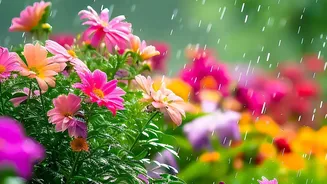
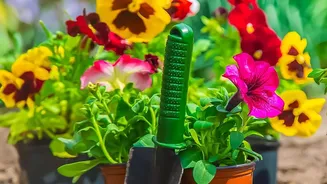
For those looking to create an airy, meadow-like feel, Zinnias and Cosmos are excellent choices. These plants produce daisy-shaped blooms that stand up surprisingly well to downpours. Zinnias offer a riot of colour, while Cosmos flowers, with their feathery foliage, add a touch of whimsy. Both are relatively low-maintenance and can be grown easily from seeds during the monsoon, providing a continuous display of colour that brightens up even the greyest of days.
The Ever-blooming Periwinkle
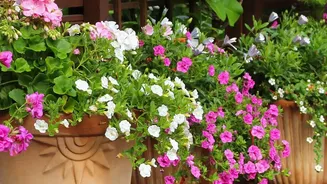
Known as Sadabahar, which means 'always in bloom', the Periwinkle lives up to its name by flowering almost all year round. However, it performs especially well during the monsoon, tolerating heavy rain with ease. Its simple yet charming flowers come in shades of pink, white, and lavender. This plant is incredibly low-maintenance, making it ideal for beginner gardeners or for filling in borders and pots with reliable colour that lasts.
Essential Monsoon Garden Care
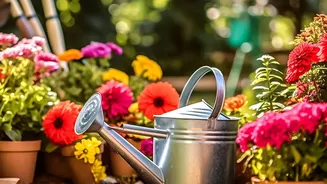
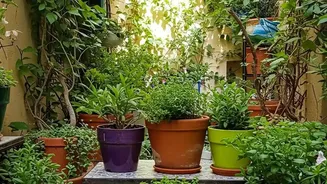
While the monsoon encourages growth, it also presents challenges like waterlogging and fungal diseases. The most crucial step is to ensure proper drainage; check that all pots have clear drainage holes and consider elevating them on stands. Avoid overwatering; only water if the top inch of soil feels dry, as the rain will often be sufficient. Pruning is also key—regularly trim dead or yellowing leaves and broken stems to improve air circulation and encourage healthy new growth. A watchful eye for pests like slugs and mealybugs, which thrive in damp weather, will keep your colourful garden healthy and vibrant.