




How Do Compression Pouches Work?
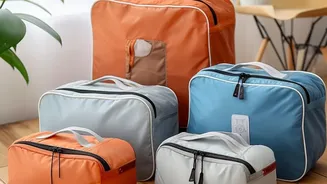
Vacuum compression bags work by removing the air that gets trapped between the fibres of your clothing and linens. By placing your items inside the pouch, sealing it, and then forcing the air out, you can dramatically reduce the volume of soft goods.
There are two main types perfect for travel. The first requires a small, often USB-powered or manual, pump to suck the air out through a one-way valve. The second, and often more convenient for short trips, are simple roll-up bags. You seal the bag and then roll it tightly from the zipper-end, which pushes air out through special one-way vents at the bottom. Both methods achieve the same goal: turning puffy piles of clothes into thin, dense, and packable stacks.
The Obvious Benefit: Maximising Space
The primary advantage is, of course, the incredible space savings. Bulky items like beach towels, hoodies for cool evenings, and spare jeans can be compressed by up to 50% or more. This allows you to potentially fit everything into a smaller carry-on bag, avoiding checked luggage fees and the wait at the baggage carousel. For a quick weekend getaway, this efficiency is a game-changer. Suddenly, that small duffel bag has more than enough room for your essentials, plus that extra dress or pair of shoes you wanted to bring along just in case.
The Downsides: Wrinkles and Weight
While these bags save space, they don’t reduce weight. In fact, their effectiveness can make it deceptively easy to overpack and exceed airline weight limits for carry-on luggage. It's crucial to remember that a compressed bag has the same weight as its uncompressed contents. The other significant drawback is wrinkles. Forcing air out of fabric and keeping it compressed will inevitably lead to more creasing than neatly folding or rolling clothes. For casual beachwear like T-shirts and towels, this may not be a major concern, but for items you want to keep crisp, you may need access to an iron at your destination.
Perfect for the Beach, With One Caveat
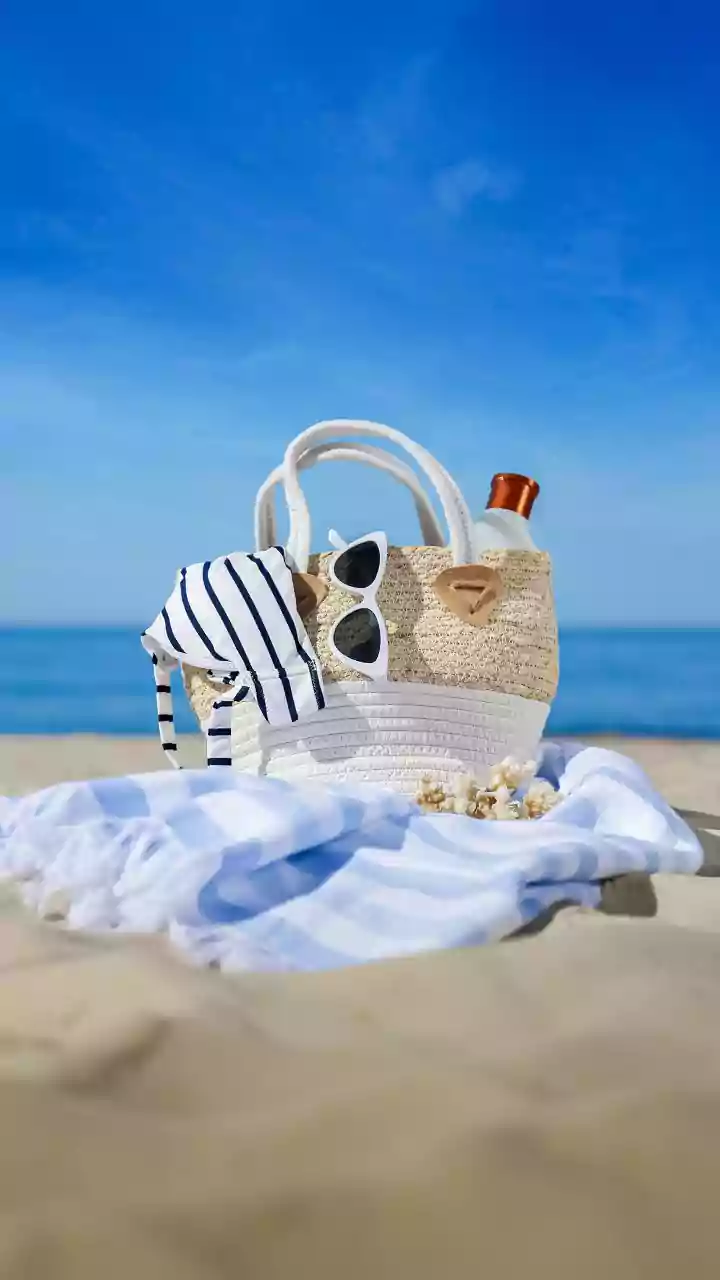
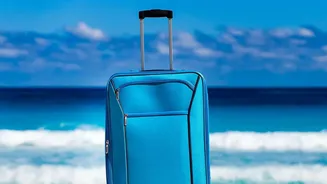
Compression pouches are nearly ideal for a beach holiday. They excel at shrinking towels and casual clothing. Furthermore, their airtight and watertight seal offers excellent protection, keeping your clean, dry clothes safe from accidental sunscreen spills or a damp swimsuit you have to pack for the journey home. You can even designate one pouch specifically for dirty or wet laundry, sealing in odours and moisture to keep the rest of your luggage fresh. The main consideration is to ensure any damp items are not sealed for too long, as the lack of airflow can promote mildew if left for an extended period. It's best to let things air out as much as possible before sealing them for the trip back.
Tips for Effective Use
To get the most out of your compression bags, follow a few simple rules. First, don't overfill them; stopping at about 80% capacity ensures a proper seal and prevents strain on the zippers. Fold or roll items neatly before placing them inside to help minimise the severity of wrinkles. For travel, the roll-up style bags are often the most practical as they don't require you to pack a separate pump. Finally, when you arrive, unpack items prone to wrinkling as soon as possible to give them time to relax and de-crease before you need to wear them.