




The Rise of a 'New' Superfood
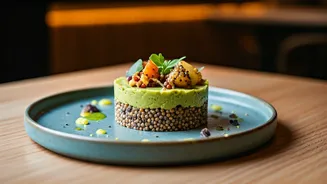
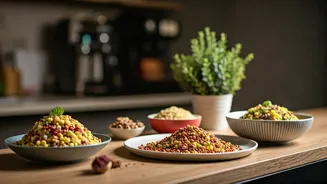
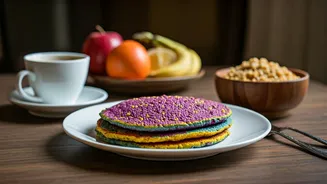
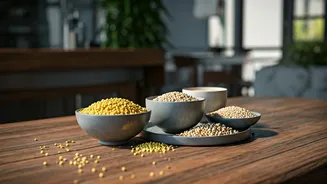
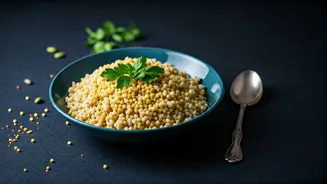
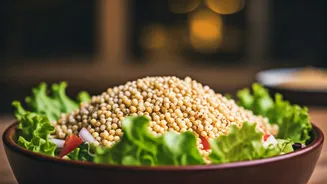
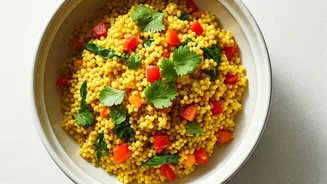
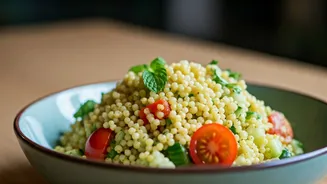
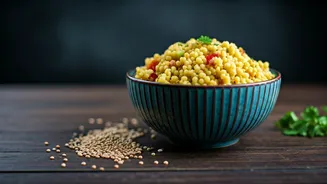
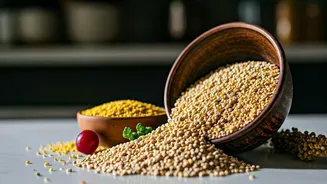
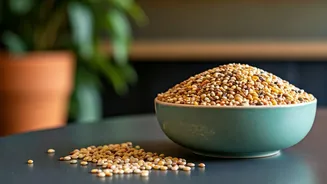
Across India's bustling cities, chefs and café owners are embracing pearl millet, or bajra, in contemporary formats like nourishing bowls, salads, and even pancakes. [17] This isn't just about jumping on a health trend; it's a thoughtful return to a grain
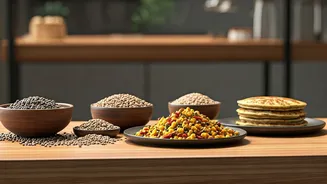
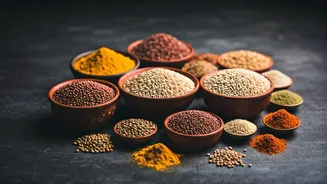
that has been a staple in Indian households for centuries. [13, 14] For years, millets were often seen as rural or old-fashioned, overshadowed by polished rice and wheat. [13, 15] Now, they are being rediscovered by a new generation of urban diners who are seeking food that is both healthy and meaningful. [12] This revival is transforming cafe menus, which are increasingly featuring dishes like bajra khichdi, ragi pancakes, and jowar wraps, signaling a move away from imported superfoods toward local, indigenous alternatives. [17, 18]
A Nutritional Powerhouse
The renewed popularity of bajra is strongly linked to its impressive nutritional profile. It is naturally gluten-free, making it an excellent choice for those with celiac disease or gluten sensitivity. [6, 7] Packed with dietary fibre, it aids digestion, promotes gut health, and provides a feeling of fullness, which can help with weight management. [4, 5, 14] Furthermore, bajra has a low glycemic index, meaning it releases sugar into the bloodstream slowly, making it beneficial for managing blood sugar levels. [5, 9, 11] It's also a rich source of essential minerals like magnesium, iron, and phosphorus. [5, 6] Magnesium and potassium contribute to heart health by helping regulate blood pressure, while iron is crucial for preventing anaemia. [4, 11]
A Return to Agricultural Roots
The trend of using bajra in modern cuisine is part of a larger movement championing India's ancient grains. [9, 11] This shift has been bolstered by initiatives like the UN's declaration of 2023 as the 'International Year of Millets', a proposal put forth by India to raise awareness about these resilient crops. [15, 16, 23] Millets like bajra are not just good for personal health; they are also beneficial for the planet. They are climate-resilient crops that require significantly less water than rice and can thrive in arid conditions and poor soil, making them a sustainable choice for farmers. [9, 11, 15] By choosing millets, consumers are supporting sustainable agriculture and empowering small farming communities, especially in states like Rajasthan, Karnataka, and Maharashtra. [11, 15]
The Chef's Creative Canvas
For chefs, incorporating bajra and other millets into their menus is both a challenge and a creative opportunity. [17] They are moving beyond traditional preparations like rotis and porridges to innovate with modern formats that appeal to urban palates, such as millet risotto, pancakes, and even pizza crusts. [17, 21] This involves blending traditional Indian ingredients with contemporary culinary techniques. [18] However, working with millets requires skill, as their texture and flavour are distinct from refined grains. [17, 22] The chefs who succeed are those who invest time in understanding the ingredient, creating dishes that are not only healthy but also delicious and comforting. This culinary innovation is key to making millets accessible and appealing to a wider audience. [10, 12]
More Than a Meal: A Feeling of Connection
Ultimately, the appeal of the bajra bowl goes beyond its nutritional value or novelty. For many diners, it represents a connection to their roots and a return to traditional food wisdom. [9, 13] In a world dominated by fast-paced lifestyles and processed foods, there is a growing desire for meals that feel grounding and authentic. [13, 24] Millets, once a staple in grandma's kitchen, offer a sense of comfort and nostalgia. [23] This movement is not merely a passing trend but a conscious shift towards mindful eating and sustainable living. [9, 15] It reflects a newfound confidence in India's culinary heritage, where ancient grains are celebrated not as relics of the past, but as the superfoods of the future. [11, 15]