






The Core Dilemma: Cost vs. Conscience
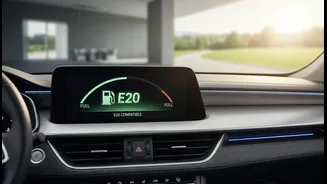
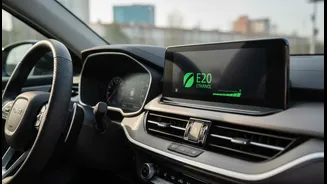
For today's young car buyer in India, the decision-making process has evolved beyond just the sticker price and mileage. The nationwide rollout of E20 petrol (a blend of 20% ethanol and 80% petrol) has reshaped the landscape. This generation is often
more environmentally aware, yet operates within tight budgets. The choice between an E20-compatible petrol car and a traditional diesel vehicle has become a multi-layered equation. It involves calculating upfront costs, running expenses, maintenance bills, and, crucially, the vehicle's future viability in a rapidly changing regulatory environment. This isn't just about picking an engine; it's a financial and lifestyle statement.
Upfront and Running Costs
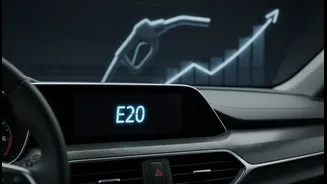
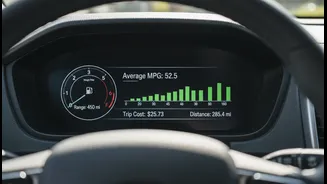
Traditionally, diesel cars come with a higher purchase price compared to their petrol counterparts, and this remains true. However, the running cost calculation has become more nuanced. Diesel engines are known for their superior fuel efficiency, offering more kilometres per litre. But with volatile fuel prices, the cost-per-kilometre advantage can fluctuate. E20 petrol, on the other hand, has been found to cause a slight drop in mileage—estimated between 3% to 7% depending on the vehicle and driving conditions—because ethanol has a lower energy density than petrol. While the government aims for price stability with blended fuel, E20 is not necessarily cheaper at the pump, as its production cost can be higher than pure petrol depending on global crude prices. Young buyers are now using calculators more than ever, projecting their annual running to see where the break-even point lies between the higher initial outlay for a diesel and the potential for slightly higher fuel consumption with an E20 car.
Maintenance and Driving Experience
The driving experience differs significantly. Diesel engines are famed for their high torque, making them feel powerful and effortless, especially on highways. Petrol engines, including E20-compatible ones, are generally smoother and quieter, offering a more refined city driving experience. When it comes to maintenance, diesel cars have historically been more expensive to service. Modern BS6 diesel engines require Diesel Particulate Filters (DPF) and sometimes Selective Catalytic Reduction (SCR) systems, which can lead to costly repairs if not maintained correctly, especially with low city usage. While all new cars manufactured after April 2023 are E20-compliant, concerns about long-term effects on components in some vehicles persist among buyers. This leads young buyers to weigh the refined drive of a petrol car against the robust torque of a diesel, while keeping an eye on potential long-term maintenance bills.
Future-Proofing the Purchase
This is perhaps the most critical factor for a young buyer making a long-term investment. The Indian government's policy direction is clear: a strong push towards ethanol blending and electrification. The future of diesel passenger vehicles, particularly in large cities, is uncertain. Strict regulations, like the 10-year rule for diesel cars in the Delhi-NCR region, create anxiety about resale value and the vehicle's usable lifespan. In contrast, the government is actively promoting E20 and even higher blends for the future. For a young buyer, an E20-compatible car feels like a safer, more future-proof bet against sudden regulatory changes that could devalue or restrict a diesel vehicle. This long-term uncertainty is a powerful nudge towards petrol, even if it means sacrificing some fuel efficiency.
The Environmental Angle
The environmental argument is complex. E20 fuel is promoted as a cleaner-burning alternative, reducing carbon monoxide and hydrocarbon emissions. As ethanol is derived from renewable sources like sugarcane, it also helps reduce dependency on imported crude oil. Diesel engines, despite advancements under BS6 norms, are still associated with higher emissions of nitrogen oxides (NOx) and particulate matter, which are major contributors to urban air pollution. For a generation increasingly concerned about climate change and air quality, the 'greener' credentials of E20-compatible cars often align better with their personal values, making it a significant, non-financial factor in their decision.