






What Exactly Is El Niño?
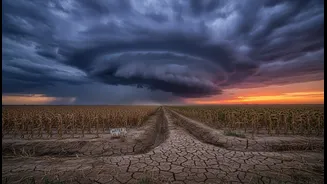
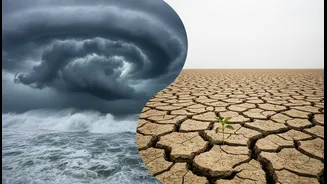
El Niño, which translates to 'the boy' in Spanish, is a natural climate pattern characterized by the unusual warming of sea surface temperatures in the central and eastern equatorial Pacific Ocean. This isn't just a distant weather event; it disrupts
atmospheric pressure, wind, and rainfall patterns globally. These events occur every two to seven years and can last for nine to twelve months. For 2026, global agencies are forecasting a rapid development into a strong event, raising alerts for its potential impact on weather systems worldwide, including the crucial Indian monsoon.
The Connection to India's Monsoon
India's economy and its agricultural sector are deeply dependent on the southwest monsoon, often called the country's 'true finance minister'. A strong El Niño is typically associated with a weaker, more erratic monsoon over the subcontinent. The warm Pacific waters can weaken the atmospheric circulation that brings rain to India, leading to lower-than-average rainfall. The India Meteorological Department (IMD) has already forecast below-normal rainfall for July 2026, with the deficit expected to be more pronounced in the second half of the season as El Niño intensifies. This has already impacted the sowing of summer (Kharif) crops, with acreage down significantly in June due to rainfall deficits.
From Stressed Fields to Your Plate
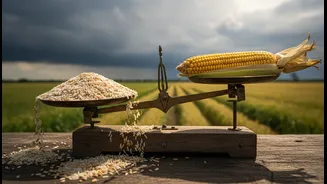
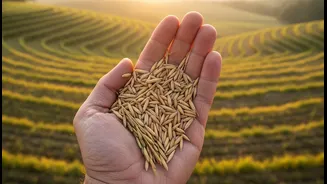
With about half of India's farmland being rain-fed, a deficient monsoon has a direct and immediate effect on food production. Lower rainfall leads to reduced soil moisture, delayed sowing, and lower crop yields, creating a supply crunch. Key Kharif crops are particularly vulnerable. Rice, pulses, oilseeds like soybean, and coarse cereals such as maize and bajra face significant risks. The impact isn't limited to the summer harvest. A weak monsoon also means lower water levels in reservoirs, which affects irrigation for the subsequent winter (Rabi) crops like wheat and mustard.
Which Foods Are Most at Risk?
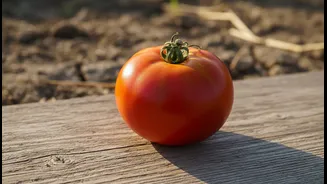
The ripple effect of a poor monsoon will be most visible in the prices of everyday essentials. Expect volatility in the prices of vegetables like tomatoes, which are highly sensitive to weather disruptions. Pulses (dal), a staple source of protein, are also at high risk, as major growing regions are rain-dependent. Similarly, edible oil prices may see upward pressure due to lower domestic oilseed production. Even milk prices could be affected, as fodder availability can be impacted by weaker rains and heat stress on livestock. Historical data from previous El Niño years shows a clear trend of increased food inflation.
Navigating the Price Hikes
While you can't control the weather, you can adopt smarter strategies to manage your household budget. Start by tracking prices more closely and planning your meals around seasonal vegetables that are more abundant and affordable. Consider incorporating alternative grains and millets, which are often more resilient to dry conditions. Reducing food waste becomes even more critical; proper storage techniques can extend the life of your produce. When price hikes are persistent, it may be necessary to reallocate funds within your budget, temporarily cutting back on non-essential spending to accommodate the rise in food costs.