




Why Venus? The Allure of Earth’s Twin
Imagine Earth, but with a runaway greenhouse effect so intense that surface temperatures can melt lead. That's Venus. It's a world with a crushing atmospheric pressure over 90 times that of Earth's and thick, swirling clouds of sulfuric acid. Yet, in their
early days, the two planets were remarkably similar, both likely hosting liquid water oceans. So, what went so horribly wrong for Venus? This is one of the most pressing questions in planetary science, and understanding it could offer critical insights into Earth's own climate and long-term future. The answer, scientists believe, is hidden within its mysterious atmosphere and beneath its impenetrable cloud deck, which Shukrayaan aims to probe.
Unveiling Secrets Beneath the Clouds
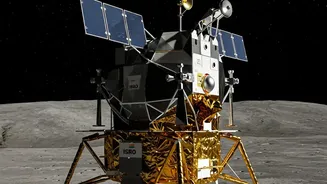
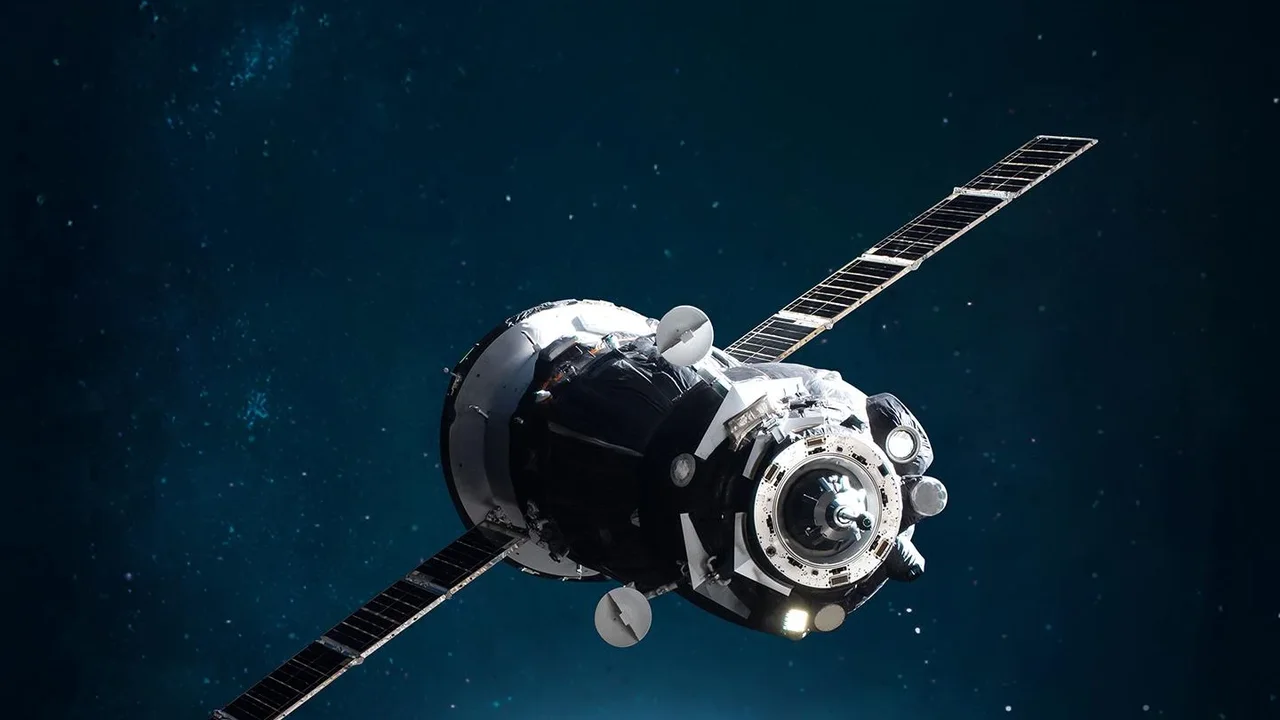
Following the historic successes of the Chandrayaan missions to the Moon and the Mangalyaan mission to Mars, the Indian Space Research Organisation (ISRO) is setting its sights on Venus. The Shukrayaan orbiter, officially known as the Venus Orbiter Mission, is India's ambitious next step in interplanetary exploration. Approved by the government in September 2024, the mission’s primary goal is to conduct a comprehensive investigation of the planet. Its objectives include mapping the Venusian surface and subsurface, but the headline task is to analyse its thick, carbon dioxide-rich atmosphere. The orbiter will study the chemistry of its sulfuric acid clouds, investigate the mysterious super-rotation of its winds, and examine how the atmosphere interacts with solar radiation.
A Challenging Journey to a Hostile World
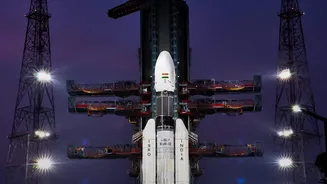
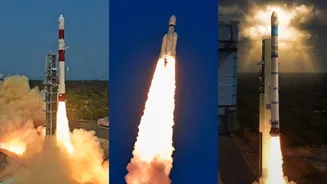
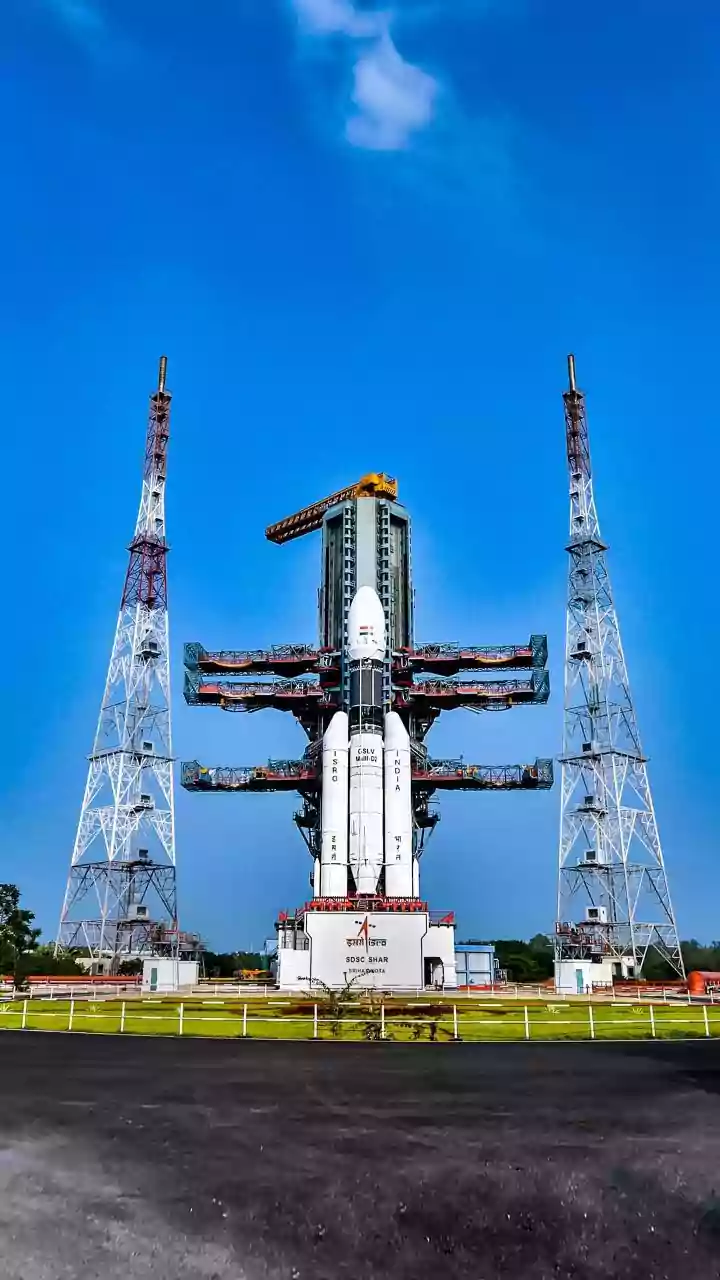
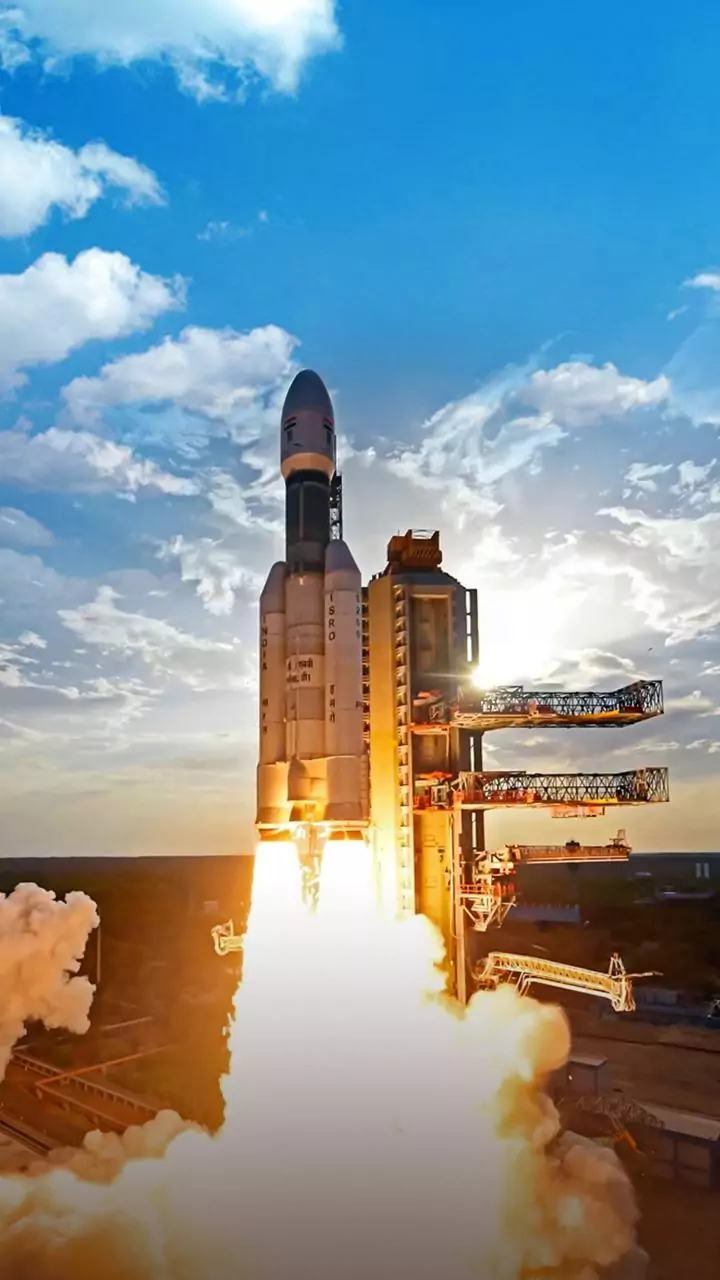
Getting to Venus and studying it is no easy feat. The mission is scheduled to launch on March 29, 2028, aboard India’s powerful LVM-3 rocket from Sriharikota. After a 112-day journey through space, the spacecraft is expected to enter a large elliptical orbit around Venus on July 19, 2028. From there, it will take about a year to gradually lower its orbit for optimal scientific observation. For the first time, ISRO will employ a technique called aerobraking, using the friction of the planet’s upper atmosphere to slow the spacecraft down and adjust its orbit, thereby saving precious fuel. This manoeuvre is critical for positioning the orbiter to withstand one of the most extreme environments in our solar system.
The Orbiter’s Toolkit
To peer through the thick Venusian clouds, Shukrayaan will be equipped with a suite of approximately 19 sophisticated scientific instruments, weighing around 100 kilograms. The flagship instrument is a Synthetic Aperture Radar (SAR), which can pierce the dense cloud cover to create high-resolution maps of the planet's surface, searching for evidence of active volcanoes and other geological features. Other key payloads include thermal cameras to map temperature variations and a host of spectrometers to analyse the composition of the atmosphere and clouds. Some of these instruments are being developed in collaboration with international partners, including Sweden, making this a global scientific endeavour.
India’s Place in Planetary Exploration
With Shukrayaan, India will join an elite club of nations that have sent missions to explore Venus. This mission not only builds on the legacy of Mangalyaan but also solidifies ISRO's reputation for cost-effective, high-impact interplanetary exploration. The data gathered from Venus will not just be a point of national pride; it will contribute vital information to the global scientific community. By studying the cautionary tale of Venus's climate, scientists hope to refine our models of planetary evolution and better understand the delicate balance that makes a world like Earth habitable. Shukrayaan represents a crucial step in humanity's collective quest to understand our place in the cosmos.