





Why Cycle in the Rain?
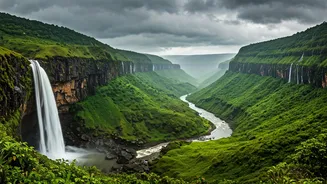
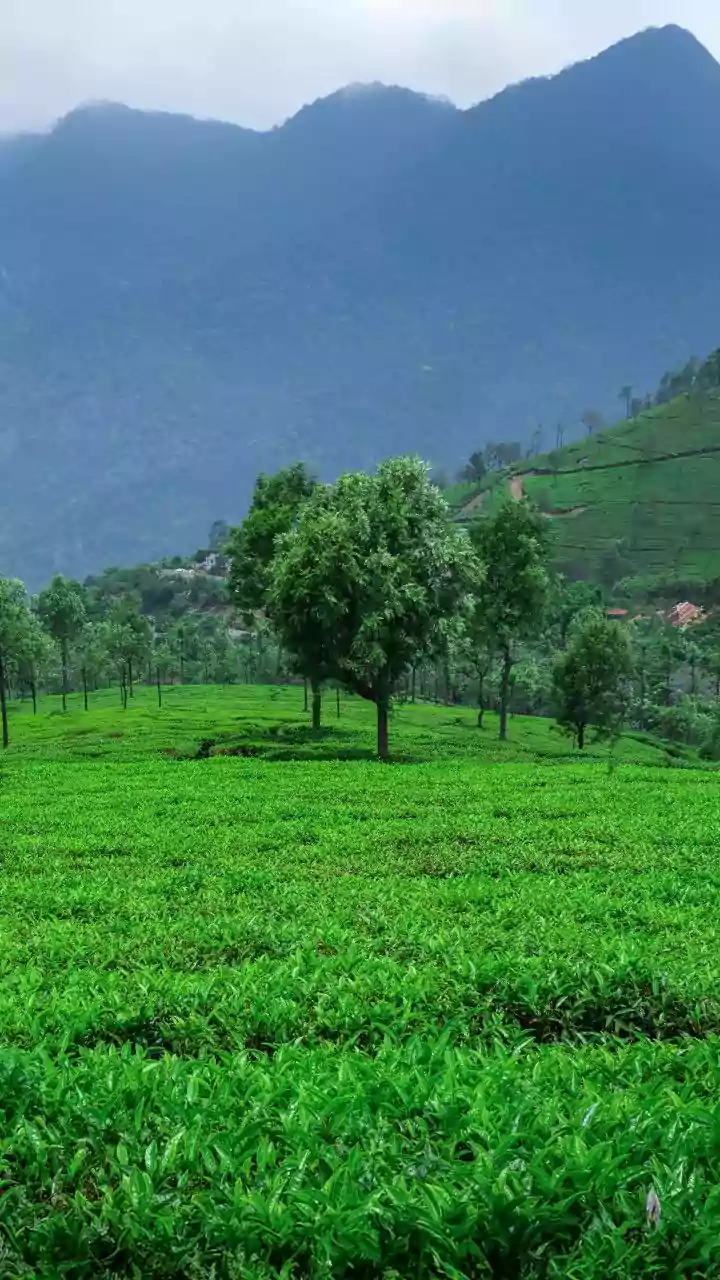
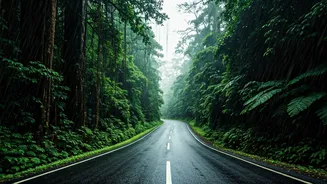
Cycling during the monsoon is a sensory overload in the best possible way. The landscape transforms, with vibrant greens replacing summer browns. Waterfalls appear from nowhere, streams swell, and the air is cool and crisp. It’s a chance to see familiar
places in a completely new light. The rhythmic sound of your tyres on wet tarmac, the cool spray on your face, and the quiet solitude of a rain-drenched trail offer a unique form of mindfulness. It’s not about speed or distance; it’s about immersing yourself in the moment and connecting with nature when it’s at its most dramatic and beautiful.
Gear Up for the Wet
The right gear is the difference between a miserable slog and a magical ride. Your mantra should be: stay dry, stay visible, and protect your bike. Start with a lightweight, breathable waterproof jacket. Avoid heavy ponchos that can get caught in your wheels. A pair of waterproof trousers or cycling shorts made from quick-drying fabric is essential. For your feet, waterproof shoe covers are a game-changer. Most importantly, ensure your bicycle is ready. A full-length set of mudguards is non-negotiable to prevent mud and water from spraying all over you and your drivetrain. Use a waterproof saddlebag or a dry bag inside a backpack to keep your phone, wallet, and a spare layer of clothing completely dry. Finally, wet conditions mean low visibility, so powerful front and rear lights are crucial, even during the day.
Choosing Your Monsoon Route
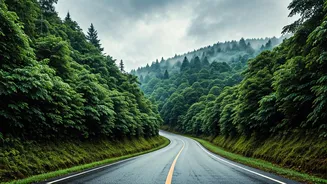
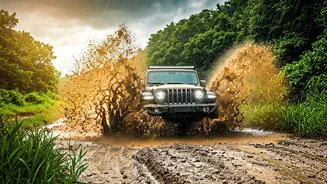
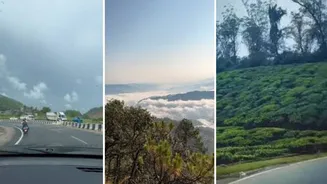
Not all trails are created equal, especially in the rain. Your favourite dry-season dirt track might turn into an unrideable mud pit. For monsoon cycling, it's wise to stick to paved country roads or well-maintained gravel paths. Look for routes with good drainage and avoid areas prone to landslides, particularly in hilly regions. Here are a few ideas to get you started: * **The Western Ghats:** The roads around Lonavala, Mahabaleshwar, or Munnar in Kerala are spectacular. You’ll ride through mist, past lush tea plantations and gushing waterfalls. * **Coastal Corridors:** The coastal highways near Goa or the East Coast Road from Chennai to Puducherry offer stunning sea views accompanied by a cool ocean breeze. * **The Aravalli Range:** During the monsoon, the hills around Udaipur and Mount Abu in Rajasthan shed their arid look for a surprising coat of green, offering gentle gradients and beautiful lake circuits.
Ride Smart and Safe
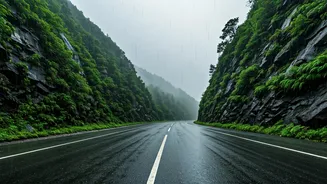
Water on the road dramatically changes how your bike handles. Your braking distance will increase significantly, so brake earlier and more gently than you would in the dry. Feather your brakes to scrub off speed gradually rather than grabbing them suddenly, which can cause your wheels to lock up and skid. Be extra cautious of painted road markings, metal plates, and oily patches, as they become incredibly slick when wet. Reduce your tyre pressure slightly (by about 10-15 PSI) to increase the contact patch with the road, improving your grip. Always check the weather forecast before you head out, and let someone know your route and estimated return time.
Post-Ride Rituals
Your adventure doesn't end when you get off the bike. A little post-ride care will ensure your bicycle is ready for the next outing and prevent rust and damage. As soon as you get home, give your bike a quick rinse with fresh water to wash off mud and grit. Dry it thoroughly with a cloth, paying special attention to the chain, gears, and brakes. Once dry, apply a 'wet' lube to your chain. Wet lubes are more viscous and are designed to resist being washed away by rain. And for yourself? There is no greater feeling than peeling off your damp gear, taking a hot shower, and settling down with a steaming cup of masala chai and some hot pakoras. It’s the perfect reward for an adventure well-earned.