





The Grains That Time Forgot
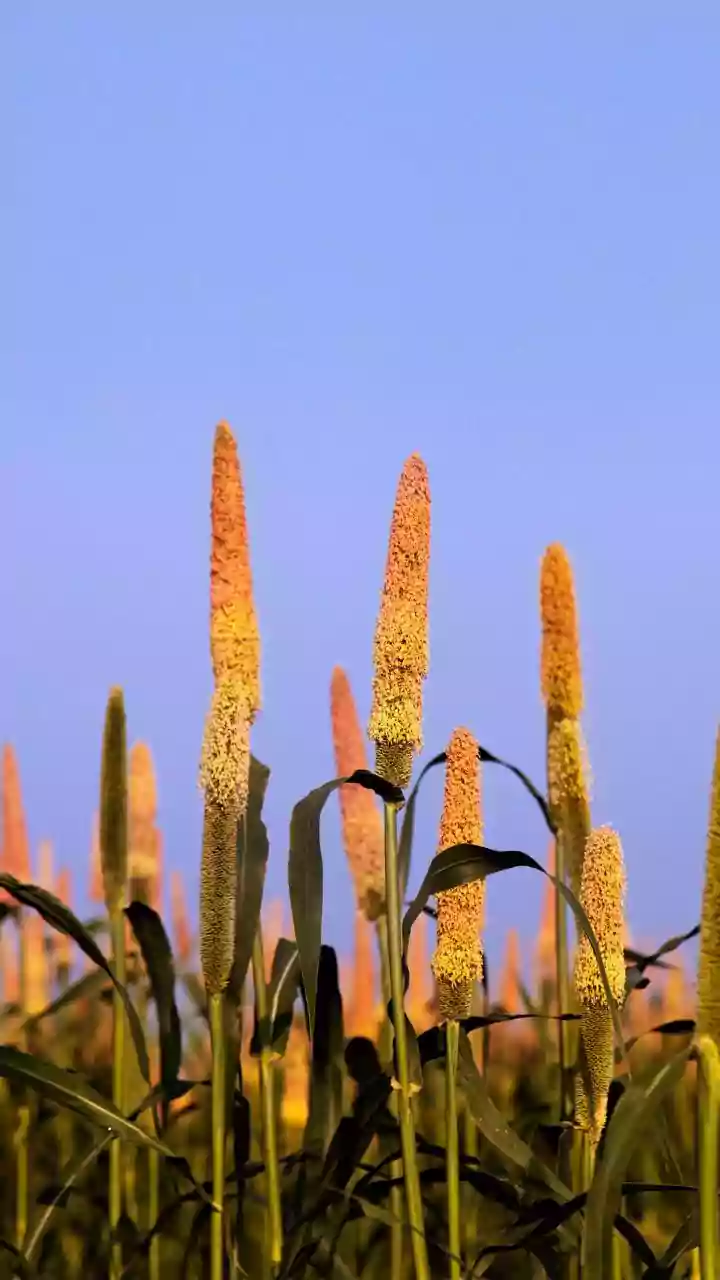
For thousands of years, the Indian subcontinent's diet was built on a foundation of hardy, versatile grains known as millets. Evidence suggests their consumption predates even the Indian Bronze Age, with mentions in ancient texts like the Yajurveda. From
finger millet (ragi) and pearl millet (bajra) to sorghum (jowar) and a host of smaller varieties, these grains were the original staples. They were perfectly adapted to India's diverse climates, thriving in arid regions and rain-fed conditions where other crops might fail. However, the Green Revolution in the mid-20th century, which prioritized high-yield varieties of rice and wheat to ensure food security, inadvertently pushed millets to the margins. Once a dietary cornerstone, they became seen as 'coarse grains' or food for rural and lean times, gradually fading from urban kitchens and collective memory.
A Tapestry of Regional Flavours
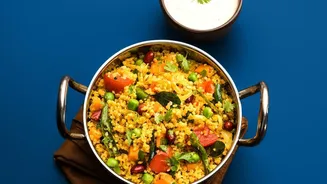
The true wisdom of millet cooking is revealed in its regional diversity, where each dish tells a story of climate, culture, and community. In Karnataka, ragi mudde is a daily ritual—a smooth, elastic ball of finger millet flour eaten with flavourful saaru (a thin stew), designed to be swallowed for sustained energy. The arid plains of Rajasthan and Gujarat celebrate bajra, particularly in winter, with warming dishes like bajra roti served with ghee and bajra khichdi. In Maharashtra, jowar is transformed into the hearty bhakri flatbread, a perfect accompaniment to spicy curries. Meanwhile, in the kitchens of Tamil Nadu, fermented pearl millet porridge, or kambu koozh, is a traditional summer coolant sold in earthy clay pots. This isn't just about recipes; it’s a living library of how generations adapted their food to their environment.
The Wisdom of Climate-Smart Crops
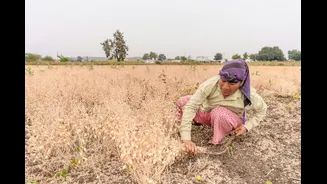
The ancestral knowledge of cultivating millets is now being recognized as a blueprint for modern sustainable agriculture. Millets are climate-resilient 'miracle grains'. They are drought-tolerant, require significantly less water than rice and wheat, and can grow in poor soil with minimal inputs. In an era of increasing climate uncertainty and water scarcity, these traits are invaluable. By farming millets, communities historically practiced a form of agriculture that was inherently in sync with its environment. Their revival supports biodiversity, reduces the carbon and water footprint of our food systems, and offers a stable livelihood for small and marginal farmers who often cultivate these grains in challenging conditions.
Nutrition Packed into Every Bite
The 'culinary wisdom' behind millets extends deep into their nutritional science, something our ancestors understood intuitively. These grains are nutritional powerhouses. Unlike polished rice and refined wheat, they are packed with dietary fibre, which aids digestion and supports gut health. Many are naturally gluten-free and have a lower glycemic index, making them beneficial for managing blood sugar levels. Each millet has a unique profile: ragi is famously rich in calcium for bone health; bajra is dense with iron to combat anaemia; and jowar is loaded with antioxidants. Embracing these grains means reintroducing essential minerals, vitamins, and high-quality plant-based protein into our diets.
Revival on the Modern Plate
Today, millets are making a triumphant comeback, championed by chefs, nutritionists, and home cooks alike. The culinary world is rediscovering their versatility, moving beyond traditional porridges and flatbreads. Modern chefs are creating everything from foxtail millet upma and barnyard millet sushi to ragi-based desserts and kodo millet risotto, showcasing that these grains can be both comforting and sophisticated. They are not trying to make millet taste like something else, but rather celebrating its unique texture and earthy flavour. This revival isn’t about replacing rice and wheat entirely, but about diversifying our plates, reconnecting with our heritage, and appreciating the genius of ancient food systems.