



Vazhaithandu Poriyal: The Crunchy Banana Stem
In South India, particularly Tamil Nadu, the fibrous inner stalk of the banana plant is not discarded but celebrated. What might look like agricultural waste becomes Vazhaithandu Poriyal, a delightful stir-fry. The banana stem is painstakingly cleaned,
with its tough outer layers peeled and fibrous threads removed, before being chopped into fine discs. Cooked with lentils, coconut, and a simple tempering of mustard seeds and curry leaves, the stem retains a satisfying, watery crunch. This dish is a masterclass in texture, transforming a bland, fibrous stalk into a refreshing and nutritious side dish that pairs beautifully with rice.
Patrode: The Stuffed Colocasia Leaf Roll
Along the coasts of Karnataka and Maharashtra, the large, beautiful leaves of the colocasia (or taro) plant are the stars of a monsoon delicacy known as Patrode or Alu Vadi. These leaves can cause throat irritation if not prepared correctly, a challenge skillfully overcome by generations of home cooks. A thick, tangy paste of ground rice, lentils, tamarind, jaggery, and spices is slathered onto the leaves, which are then layered, rolled into tight logs, and steamed. The cooked rolls are sliced into pinwheels and can be eaten as is or pan-fried until crisp. The result is a complex snack that is spicy, sweet, and sour all at once.
Kathal Bichi'r Torkari: The Meaty Jackfruit Seed Curry
After a feast of fresh jackfruit, most would toss the large, hard seeds. In Bengal, however, these are the foundation of a hearty curry called Kathal Bichi'r Torkari. The seeds are boiled until their tough outer skin can be peeled away, revealing a creamy, potato-like interior. These are then cooked in a simple, aromatic gravy with potatoes and spices. The seeds lend a unique, slightly nutty flavour and a starchy, satisfying bite that feels surprisingly 'meaty'. It’s a rustic, comforting dish that exemplifies the Bengali principle of using every single part of the vegetable.
Lingri ki Sabzi: The Himalayan Fiddlehead Fern
In the spring and early summer, the forests of Himachal Pradesh and Uttarakhand offer a special treat: tightly coiled young fern shoots called fiddleheads, known locally as 'lingri' or 'languda'. These wild greens, which could easily be overlooked, are foraged by locals to create a simple yet delicious sabzi. The ferns have a unique flavour, often described as a cross between asparagus and artichoke. To prepare them, they are typically blanched and then stir-fried with mustard oil, onions, tomatoes, and basic spices. The dish captures the fresh, earthy taste of the mountains, turning a foraged wild green into a celebrated seasonal meal.
Soibum Eromba: Manipur’s Pungent Bamboo Shoot Stew
In Manipuri cuisine, fermentation is an art form used to preserve and create complex flavours. Soibum Eromba is a perfect example, a mashed stew centred on fermented bamboo shoots ('soibum'). While fresh bamboo shoots are common across Northeast India, the fermented version offers a pungent, tangy, and deeply savoury flavour profile that is an acquired but beloved taste. The soibum is boiled with vegetables like potatoes and often includes fermented fish ('ngari'), all mashed together with fiery King Chillies. This dish is a powerful expression of Manipuri identity, transforming humble fermented shoots into a culinary icon.
Sai Bhaji: The Ultimate Sindhi Green Medley
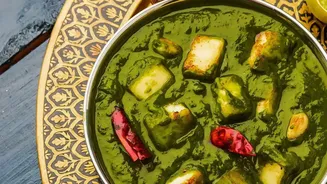
Sai Bhaji is a quintessential Sindhi dish that champions the use of a wide array of greens. While spinach ('palak') forms the base, the soul of the dish comes from adding other leaves like dill ('suva'), sorrel ('khatta palak'), and fenugreek ('methi'), which are often sold in smaller, less popular bunches. These greens are slow-cooked with chana dal (split Bengal gram) and a handful of seasonal vegetables until everything melds into a creamy, nutritious, and wholesome stew. The name itself means 'green vegetable', and it truly lives up to it, combining the goodness of various overlooked leaves into one memorable, one-pot meal.
Ker Sangri: Rajasthan's Desert Bounty
In the arid landscape of Rajasthan, where fresh produce is scarce, resourcefulness is key. Ker Sangri is a classic dish made from dried ingredients foraged from the desert: 'ker', a tangy berry, and 'sangri', a long bean from the khejri tree. These ingredients are inedible when raw and require a careful process of soaking and boiling before they can be cooked. Once rehydrated, they are stir-fried in mustard oil with a host of spices, including a generous amount of dried mango powder ('amchur') for sourness. The resulting dish is a tangy, spicy, and chewy sabzi that can be stored for days, a testament to creating deliciousness from the harshest of environments.
Odia Ambila: A Sour Broth from Leftover Vegetables
Ambila is a traditional sweet and sour broth from Odisha that shines a spotlight on a mix of vegetables, often including those nearing the end of their shelf life. The dish is a comforting medley of pumpkin, radish, brinjal, and sweet potato, all boiled together. Its defining characteristic is its sourness, which traditionally came from fermented rice water ('torani') but is now more commonly achieved with tamarind and sour yogurt. A final tempering of panch phoron (a five-spice blend) and curry leaves gives it a fragrant finish. Ambila is the ultimate comfort food, a warm, soupy curry that ensures no vegetable goes to waste.