





The Science of the Movement
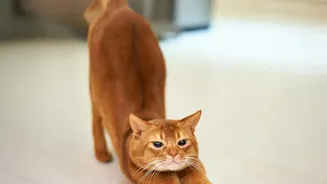
At its core, the Cat-Cow pose is a dynamic exploration of two fundamental spinal movements: flexion and extension. Spinal flexion is the act of rounding the back forward, like a stretching cat, which gently stretches the muscles along the spine. Spinal extension is the opposite,
an arching of the back where the chest opens and the tailbone lifts, as seen in the Cow portion of the pose. Moving between these two positions creates a rhythmic flow that increases circulation to the discs and muscles, lubricates the joints of the spine, and promotes mobility. This intentional movement is a safe and effective way to warm up the back and prepare it for daily activities or deeper yoga postures.
How to Perform Cat-Cow Correctly
Proper alignment is key to unlocking the full benefits of Cat-Cow, also known by its Sanskrit names, Marjaryasana (Cat Pose) and Bitilasana (Cow Pose). Start on all fours in a 'tabletop' position, with your wrists directly under your shoulders and your knees directly under your hips. Your spine should be neutral, forming a straight line from your head to your tailbone. To move into Cow Pose, inhale as you drop your belly toward the floor, lift your chest forward, and raise your tailbone toward the ceiling, keeping your shoulders away from your ears. Then, as you exhale, transition into Cat Pose by rounding your spine upward, tucking your chin toward your chest, and drawing your navel in toward your spine. The key is to coordinate the movement with your breath, flowing smoothly between the two shapes for five to ten rounds.
The Health Benefits
Practicing Cat-Cow regularly offers a host of benefits beyond a simple warm-up. It is renowned for its ability to improve posture and relieve stiffness in the back, neck, and shoulders, making it particularly valuable for those who sit for long hours. The gentle massaging action of the movement can also stimulate the abdominal organs, aiding in digestion. By connecting breath with movement, the sequence helps to calm the mind, reduce stress, and improve body awareness. This flowing motion boosts circulation, bringing fresh blood and oxygen to the muscles and tissues along the spine, which supports overall back health and can help prevent pain.
Common Mistakes to Avoid
To get the most out of the pose and prevent strain, be mindful of common errors. One frequent mistake is initiating the movement from the head and neck instead of the pelvis and tailbone. Let your spine lead the way. Another issue is rushing through the sequence; moving slowly allows you to feel the full stretch and align with your breath. Avoid crunching your neck by looking too far up in Cow Pose or forcing your chin to your chest in Cat Pose. Instead, think of lengthening the spine in both directions. Finally, ensure your shoulders stay relaxed and drawn away from your ears to avoid creating tension in the upper body.
Modifications for Every Body
Cat-Cow is a highly accessible pose that can be modified to suit different needs and abilities. If you have sensitive knees, place a folded blanket or cushion underneath them for extra support. For wrist pain, you can come onto your fists or place your forearms on the floor or on yoga blocks instead of your palms. The entire sequence can also be performed while sitting in a chair, which is an excellent option for a quick stretch at the office or for those with limited mobility. To do this, sit tall with your feet flat on the floor, place your hands on your knees, and move your spine through the same arching and rounding motions.