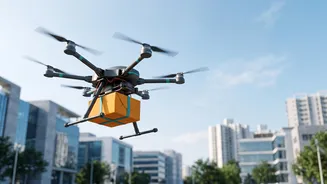







The magic of getting groceries delivered in minutes has become a daily reality for millions in urban India. But behind the convenience of that click lies a high-pressure world for the delivery partners who make it possible, raising urgent questions.
The Promise of Speed
The
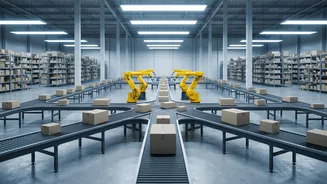
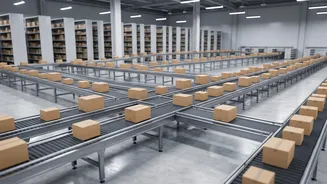
quick-commerce model, championed by platforms like Blinkit, Zepto, and Swiggy Instamart, is built on a simple, powerful promise: ultra-fast delivery. This has reshaped consumer expectations and logistics in major Indian cities. The engine behind this speed is a network of 'dark stores' or micro-fulfilment centres, strategically placed in dense urban neighbourhoods. These small warehouses stock high-demand items, allowing orders to be picked and packed in as little as two minutes. From there, a delivery partner is expected to navigate the final mile to the customer's doorstep, often within a 7-8 minute window. For the customer, it's a seamless experience. For the platforms, it's a competitive edge. But for the rider on the road, this relentless focus on speed creates a unique set of challenges that are often invisible to the end-user.
Racing Against the Algorithm
A common misconception is that riders are directly penalised for slow deliveries. While companies assert they don't fine riders for delays caused by traffic or weather, the pressure remains. The system is governed by algorithms that allocate orders, track progress, and influence earnings. Delayed deliveries can lead to lower ratings or fewer subsequent orders, creating a powerful incentive to ride faster. This algorithmic pressure is a significant source of stress, with some studies showing a high percentage of delivery workers admitting to breaking traffic rules to meet targets. The very design of the system, which rewards speed, can push riders towards risky behaviours like speeding and weaving through congested traffic, contributing to a higher risk of road accidents in a country where road safety is already a major concern.
The Equipment and Safety Gap
The job exposes workers to significant occupational hazards, from road accidents to extreme weather conditions. While companies provide branded T-shirts and delivery bags, the cost of which is often deducted from initial earnings, other crucial elements fall on the worker. This includes the vehicle, fuel, and maintenance costs, which eat into already fluctuating incomes. More critically, the responsibility for personal protective equipment often rests with the rider. There is a growing demand for platforms to take more responsibility for worker safety by providing certified gear like helmets and comprehensive accident insurance. The classification of these workers as 'partners' or independent contractors, rather than employees, creates a grey area regarding who is ultimately responsible for their safety and well-being on the job. This distinction means they often lack access to traditional employee benefits like paid leave, health insurance, and robust accident coverage.
A Move Towards Regulation and Responsibility
These concerns have not gone unnoticed. Following nationwide protests from gig workers, the Indian government has stepped in. In early 2026, the Labour Ministry urged quick-commerce giants to drop their '10-minute delivery' marketing promises to prioritise rider safety. Consequently, major platforms removed explicit time-bound guarantees from their apps, shifting their marketing focus to product variety instead. This is part of a broader regulatory shift. The Code on Social Security, 2020, formally recognises 'gig' and 'platform' workers for the first time, mandating platforms to contribute to a social security fund for benefits like health coverage and accident insurance. While the implementation of these codes is still evolving, it signals a move towards creating a more sustainable and ethical framework for the gig economy that balances consumer convenience with worker protection.