




Gear Up: Your First Line of Defence
There's no such thing as bad weather, only bad gear. Investing in a quality waterproof jacket is non-negotiable. Look for one that is also breathable, as this will prevent you from getting clammy from sweat on the inside. [13, 20] Waterproof trousers
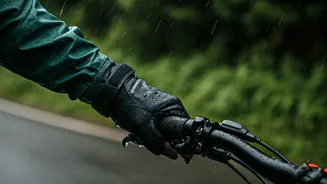
or overtrousers are also key to arriving with dry pants. For your feet, waterproof shoe covers or even a dedicated pair of waterproof cycling shoes will make a world of difference, preventing that dreaded soggy sock feeling. [10, 20] And don't forget waterproof gloves to maintain a secure grip on wet handlebars. [20]
See and Be Seen: Master Visibility
Rain and overcast skies drastically reduce visibility for everyone on the road. [4] It's crucial to make yourself as visible as possible. Use bright front and rear lights, even during the daytime. [10, 15] Many modern lights have a flashing mode that is excellent at catching the attention of motorists whose vision might be obscured by rain-streaked windshields. [10] Wearing brightly coloured or reflective clothing adds another layer of safety, making you stand out against the grey backdrop of a rainy day. [16]
Equip Your Bike for a Downpour
A few key accessories can transform your bike into a rain-ready machine. Full-length mudguards (fenders) are perhaps the most essential upgrade. [8] They prevent dirty road water from spraying up your back, onto your legs, and all over your drivetrain. [8] Consider your tyres as well. If you have slick road tyres, you might want to switch to a set with more tread for better grip on wet surfaces. [15, 18] Slightly reducing your tyre pressure can also increase the contact patch with the road, improving traction. [8, 18]
Master Wet-Weather Riding Techniques
Riding in the rain requires adjustments to your technique. Wet roads mean longer stopping distances, so brake earlier and more gently than you would in the dry. [4, 17] Try to avoid sudden movements, whether it's hard braking, sharp turns, or rapid acceleration, as these can all lead to skidding. [15] Be extremely wary of metal surfaces like manhole covers, sewer grates, and painted road markings, as they become incredibly slippery when wet. [4] Try to steer around them whenever it's safe to do so.
Navigate Waterlogged Roads with Caution
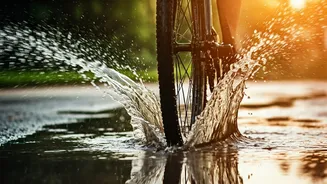
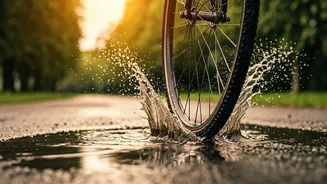
Puddles are a common feature of Indian roads during the monsoon, and they can be treacherous. A seemingly shallow puddle can hide a deep, wheel-destroying pothole. [16] It's best to avoid riding through standing water whenever possible. [8, 16] If you must go through a waterlogged patch, do so slowly and try to gauge its depth. If the water is deep enough to submerge your bike's bottom bracket (the part where your pedals attach), it's often safer to find another route or dismount and walk your bike through. [17]
Pack Smart: Keep Your Essentials Dry
You've kept yourself dry, now do the same for your belongings. A waterproof backpack or pannier is essential for carrying a change of clothes, your laptop, and other valuables. [11] Look for bags with roll-top closures and welded seams, which offer the best protection against heavy downpours. [14, 24] If you don't have a waterproof bag, you can create a DIY solution by lining your regular backpack with a large, sturdy plastic bag or using smaller dry bags for individual items. [7, 8]
Post-Ride Care is Crucial
Your work isn't done when you reach your destination. A wet ride is hard on your bike. As soon as possible, give your bike a quick rinse with fresh water to wash off the grit and grime. [2, 5] This prevents the abrasive particles from damaging your components. [3] The most important step is to dry and lubricate your chain. Water washes away lubricant, leaving the chain vulnerable to rust and rapid wear. [5, 6] A quick wipe-down and a fresh application of a wet-weather chain lube will keep your drivetrain running smoothly and extend its life. [2]