





The First Check: Prioritise Kitchen Hygiene
The monsoon's high humidity creates a breeding ground for bacteria and mould. Before you start cooking, it's crucial to ensure your kitchen is clean and dry. The Food Safety and Standards Authority of India (FSSAI) highlights that the risk of foodborne
diseases increases during this season. Start by wiping down all kitchen surfaces, including countertops and stovetops, with a disinfectant. Pay special attention to your sink, keeping it dry after use to prevent pests. Always wash your hands thoroughly with soap and clean water before handling any food. It's also wise to use separate cutting boards for raw vegetables and other ingredients to avoid cross-contamination. Simple habits like keeping waste bins covered and ensuring good ventilation can make a significant difference in maintaining a safe cooking environment.
Ingredient Prep: Wash and Store Smartly
The freshness of your ingredients is paramount, especially during the rainy season when vegetables are more susceptible to contamination and spoilage. Wash all vegetables and leafy greens thoroughly under running water. For greens like spinach, it's recommended to soak them in salt water or a vinegar solution for about 15 minutes to help clear out germs before rinsing them again. Due to the high moisture in the air, it's best to buy vegetables in smaller batches and use them within a few days. Store them in breathable bags in the refrigerator to allow for air circulation and prevent moisture buildup. Items like salt, sugar, spices, and biscuits should be transferred to high-quality airtight containers to protect them from the humidity that can make them clump or go stale.
Recipe: The Ultimate Crispy Onion Pakoras
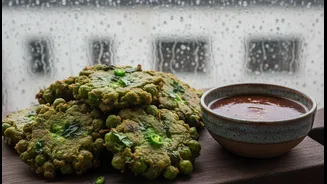
Pakoras are the quintessential monsoon snack. The secret to making them crispy, not oily, lies in the technique. The common mistake is a runny batter, which absorbs more oil. For perfect Onion Pakoras, thinly slice two large onions and place them in a bowl. Add chopped green chillies, fresh coriander, a teaspoon of carom seeds (ajwain), red chilli powder, and salt. To this, add one cup of gram flour (besan) and two tablespoons of rice flour for extra crispness. Mix everything well without adding water first, as the onions will release moisture. If the mixture is too dry, sprinkle just a little cold water until the batter thickly coats the onions. Heat oil in a kadai over a medium flame; oil that isn't hot enough will result in soggy pakoras. Drop small, uneven portions of the batter into the hot oil, ensuring not to overcrowd the pan. Fry until they are golden brown and audibly crisp. Drain them on a paper towel before serving.
The Perfect Sip: Masala Chai and Whipped Coffee
No cafe experience is complete without the perfect beverage. For a classic Masala Chai, bring one cup of water to a boil in a saucepan with crushed ginger, two green cardamom pods, a small cinnamon stick, and two cloves. Let the spices simmer for a couple of minutes before adding two teaspoons of strong black tea leaves. After another minute, pour in one cup of milk and bring the mixture to a final boil. Strain and sweeten to taste. If you're in the mood for something trendier, try a Dalgona (whipped) coffee. In a bowl, combine two tablespoons each of instant coffee, sugar, and hot water. Using a hand mixer or a whisk, whip the mixture for 3-4 minutes until it becomes light, fluffy, and forms stiff peaks. Fill a glass with ice and your milk of choice, then spoon the whipped coffee on top.
Final Check: Smart Frying and Healthy Tweaks
While deep-frying delivers that authentic cafe taste, a few checks can make it healthier. Always use fresh oil for frying, as reused oil can increase grease absorption. Maintaining a consistent medium-high heat is crucial; if the oil temperature drops, the pakoras will soak up excess oil. For those looking for a lighter alternative, air frying is a great option. To air-fry pakoras, shape the batter into small patties, lightly grease the air fryer basket, and cook at around 180°C for 10-15 minutes, flipping them halfway through until golden brown. You can also make them in an appam pan, using just a few drops of oil in each mould. These methods significantly reduce the oil content while still providing a satisfying crunch, making your favourite monsoon indulgence a little more guilt-free.