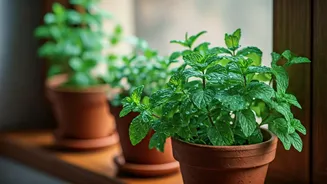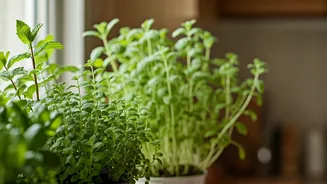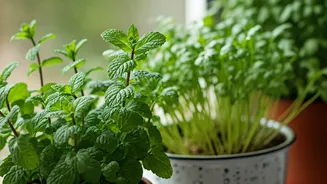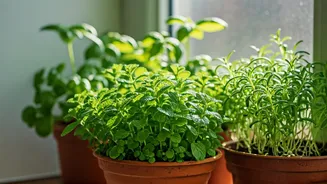


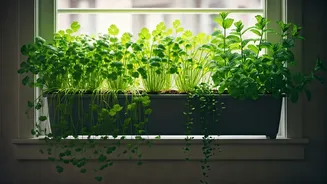


Choosing Your Four Herbal Champions
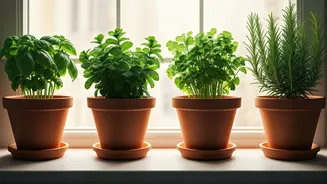
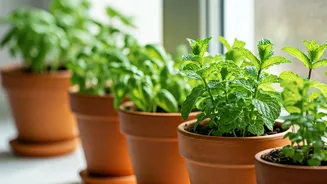
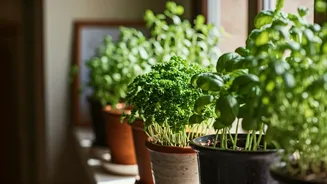
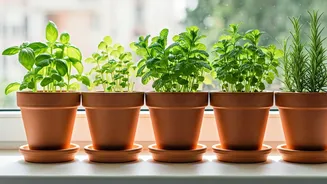
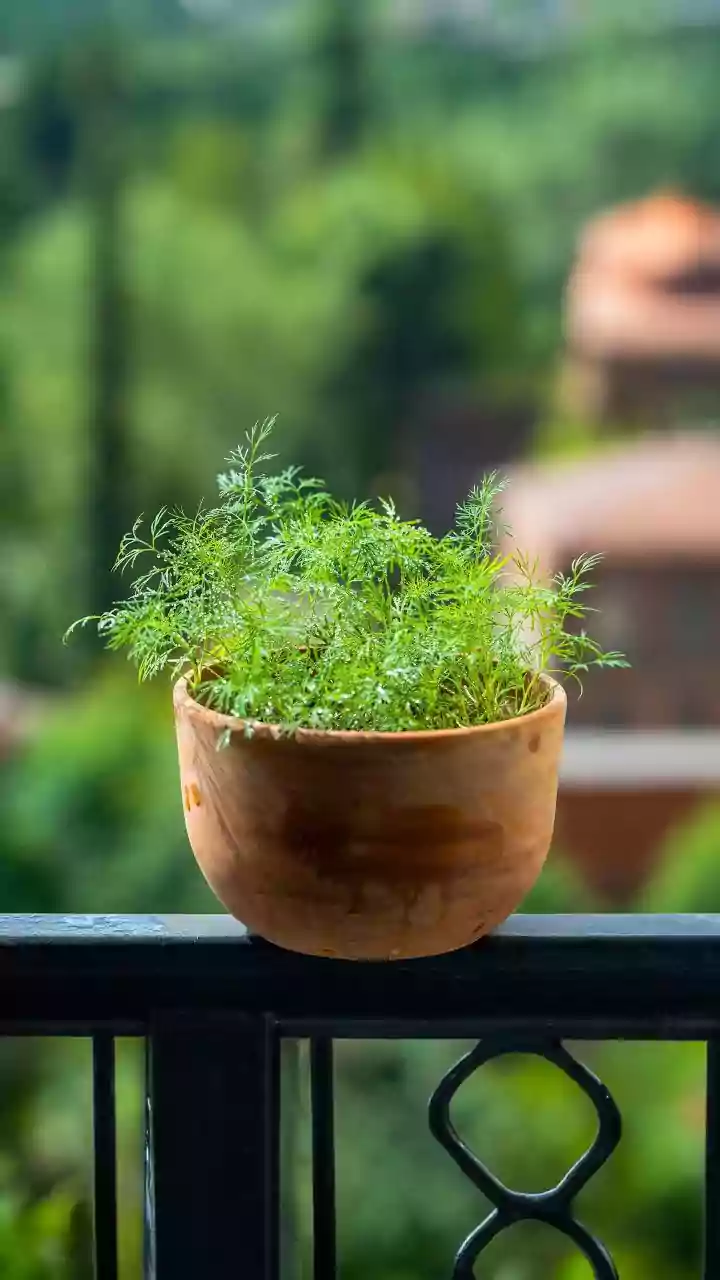
The key to a successful windowsill garden is choosing herbs that are easy to grow in pots and suit the Indian climate. For a perfect starter kit that balances utility and simplicity, we recommend four all-stars: Mint (Pudina), Coriander (Dhania), Holy
Basil (Tulsi), and Sweet Basil. Mint is famously easy to grow and will provide endless supplies for chutneys and drinks. Coriander is a staple in Indian cooking and grows quickly from seed. Holy Basil, or Tulsi, is not only auspicious but also a resilient plant with numerous wellness benefits. Sweet Basil, with its fragrant leaves, is perfect for pastas, salads, and adding a modern twist to your cooking. These four herbs have similar needs for sunlight and water, making them ideal companions in your new garden.
Gathering Your Essential Supplies
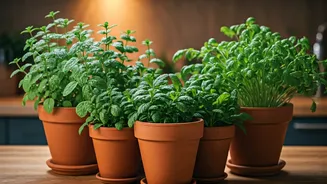
You don’t need a lot of fancy equipment to get started. Here are the basics: First, you'll need containers. Four pots, each about 6 to 8 inches in diameter, will do. Terracotta pots are excellent as they are porous, but any container with drainage holes at the bottom will work. Drainage is non-negotiable; it prevents water from logging and causing root rot. Next, you need a good potting mix. Avoid using heavy garden soil, which can compact in pots. A high-quality potting mix, often containing coco peat, compost, and perlite, provides the right balance of nutrition, aeration, and water retention for healthy herbs. Finally, you’ll need your seeds or starter plants, which are readily available online or at local nurseries.
The Art of Planting
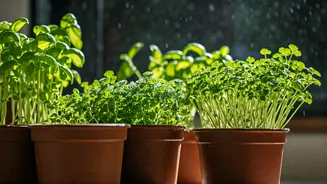
Now for the fun part. Fill your pots with the potting mix, leaving about an inch of space from the rim. Moisten the soil lightly before planting. If you're using starter plants (saplings), gently remove them from their nursery bags, loosen the roots slightly, place them in the new pot, and fill the surrounding space with soil. If you're starting from seeds, the process is slightly different for each herb. For Coriander, it's best to gently crush the whole seeds into two halves before sowing; this speeds up germination. For both types of Basil, sow the tiny seeds on the surface and cover with a very thin layer of soil. Mint is often easiest to grow from a cutting from a healthy, store-bought bunch; simply place a stem in soil, and it will likely root. After planting, water gently.
Sunlight, Water, and a Little Love
Your new herb garden will need a good amount of sunlight to thrive. Most herbs require at least four to six hours of direct sunlight per day. A south-facing windowsill is often ideal, but an east-facing one that gets gentle morning sun also works well. Be mindful of the intense Indian afternoon sun, which can scorch the delicate leaves of some herbs. If you notice wilting, you might need to move them to a spot with filtered light during the hottest part of the day. When it comes to watering, the goal is to keep the soil consistently moist but not waterlogged. A good rule of thumb is to water when the top inch of the soil feels dry to the touch. Let any excess water drain out completely.
Harvesting for Maximum Flavour
The most rewarding part of having an herb garden is harvesting your fresh produce. The key is to harvest in a way that encourages the plant to grow back bushier and stronger. For basil and mint, pinch off the top sets of leaves regularly, right above a leaf node. This will signal the plant to branch out. For coriander, you can start snipping the outer leaves as soon as the plant is about six inches tall. Avoid cutting more than one-third of the plant at any one time to ensure it continues to produce. Regular harvesting not only gives you fresh ingredients for your meals but also keeps the plants healthy and productive. With coriander, you can let it eventually flower and collect your own seeds for the next planting cycle.