


The Science of Better Leftovers
It’s not your imagination: some foods genuinely taste better the next day. There's real chemistry at play. When dishes like stews, curries, or braises sit in the refrigerator, flavour compounds continue to mingle and develop. Proteins in meat break down
into amino acids like glutamate, which enhances savoury, 'umami' notes. Simultaneously, the harsh, sharp flavours from ingredients like garlic and onions mellow out through oxidation, creating a more rounded and complex taste profile. Starches from potatoes and collagens from meat also help absorb these developing flavours, making the entire dish more cohesive and robust when you reheat it.
The Batch-Cooking 'Do Not Fly' List
Equally important is knowing what to avoid. The goal is to prevent textural disasters. Topping the list are fried or breaded foods, like breaded chicken, which lose their essential crispiness and turn soggy in the fridge. Delicate greens or vegetables with high water content, such as cucumbers and tomatoes, will wilt and make entire dishes watery. Most seafood, especially shrimp, is best avoided as it can become rubbery and overly fishy when reheated. Finally, dishes that rely on a perfect, just-cooked texture, like creamy risotto or a soft-boiled egg with a runny yolk, simply don't have the same magic a day or two later.
Champion #1: Soups, Stews, and Curries
These are the undisputed kings of batch cooking for a reason. Dishes that are simmered for a long time are practically designed to improve overnight. The long, slow cooking process has already started breaking down ingredients, and a day in the fridge only continues that process, allowing spices and herbs to meld beautifully. A chicken curry, a hearty lentil soup, a rich beef stew, or a spicy chilli will all be more flavourful on day two or three. They freeze exceptionally well, making them perfect for long-term meal planning. For best results, allow them to cool completely before refrigerating or freezing in portioned containers.
Champion #2: Bakes and Casseroles
Lasagna, shepherd's pie, and other baked pasta dishes are ideal candidates for making ahead. Much like stews, the layers in these dishes give the flavours time to settle and soak into one another. A lasagna left to sit overnight will not only taste better, but it will also hold its shape much more cleanly when you cut into it. Ragùs and other meat sauces also deepen in flavour and are perfect for making in large batches to use in different applications throughout the week. You can make a large pot of bolognese and use it for a pasta bake one night and as a base for another dish later.
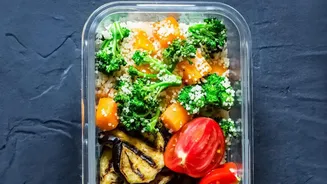
Cooking a large batch of staple grains like quinoa, farro, or brown rice is a flexible strategy. Stored in an airtight container, they provide a ready-made base for quick grain bowls, salads, or side dishes. Similarly, legumes like lentils and chickpeas hold up perfectly. A big pot of dal or a simple chickpea salad can be a go-to for quick lunches or dinners. This approach, often called 'component prepping', allows for more variety, as you can mix and match your cooked grains with different proteins and vegetables during the week.
While delicate vegetables suffer, hardy root vegetables like carrots, sweet potatoes, and butternut squash are excellent for batch cooking. Roasting them brings out their natural sweetness, and they hold their texture well in the fridge for several days. They can be added to salads, grain bowls, or served as a simple side. The same applies to roasted or braised meats. A whole roasted chicken can be shredded for sandwiches, tacos, and soups. A braised pork shoulder can become pulled pork for multiple meals. These proteins are versatile and often form the cornerstone of a flexible weekly meal plan.