

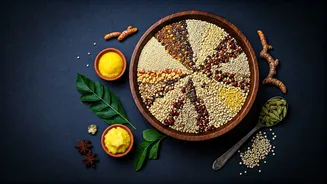
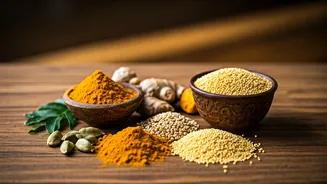


Turmeric: The Golden Standard
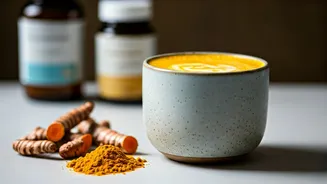
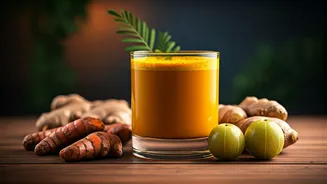
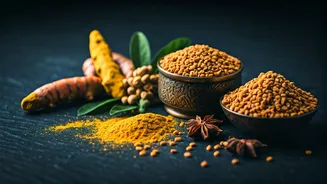
Remember being forced to drink ‘haldi doodh’ for a cough? Well, that humble home remedy has been rebranded as the trendy 'golden latte' and is now a staple in cafes from London to Los Angeles. Turmeric, the vibrant yellow spice in every Indian masala
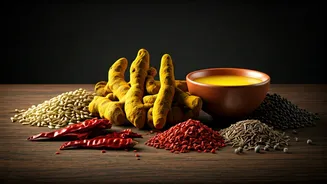
box, is the undisputed star of this wellness revolution. Its power lies in curcumin, a compound celebrated for its potent anti-inflammatory and antioxidant properties. While Ayurveda has utilised it for millennia to treat everything from wounds to digestive issues, modern science is now backing these claims. Today, you’ll find turmeric not just in lattes, but in face masks, supplements, and even energy shots, proving that what’s ancient is new again.
Ashwagandha: The Stress Buster
If you’ve browsed any wellness aisle recently, you've likely seen this word: Ashwagandha. This ancient Sanskrit herb, which translates to 'smell of the horse' (referencing both its unique smell and its ability to increase strength), has become the go-to ingredient for managing modern life's biggest ailment: stress. Classified as an adaptogen, it helps the body cope with physical and mental stress. Traditionally used in Rasayana (rejuvenation) therapies to boost vitality and longevity, it’s now being sold in powders, capsules, and even stress-relief gummies. The global demand for calm has turned this powerful root from a niche Ayurvedic remedy into a mainstream wellness heavyweight.
Ghee: The Good Fat's Comeback
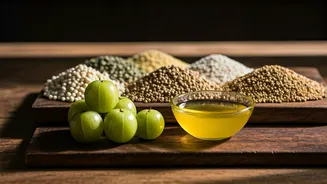
For decades, ghee was the culinary villain, sidelined in favour of 'healthier' oils. But in a stunning reversal, clarified butter is now having a major moment. Health-conscious communities like the Paleo and Keto crowds have embraced it as a superior cooking fat, thanks to its high smoke point and nutrient profile, which includes fat-soluble vitamins. It's also lactose-free, making it a great alternative for the dairy-intolerant. Ayurvedic texts have always praised ghee for its digestive and brain-boosting benefits, calling it a substance that nourishes the 'ojas' or life-giving essence. From being smeared on rotis to being blended into 'bulletproof coffee,' ghee has officially shed its unhealthy reputation and reclaimed its throne as liquid gold.
Amla: The Immunity Powerhouse
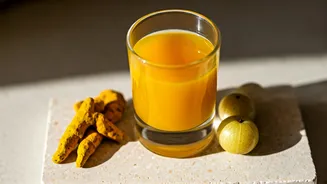
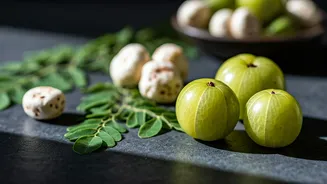
Long before Vitamin C serums became a skincare craze, India had Amla. The Indian gooseberry is one of the most potent natural sources of Vitamin C on the planet, containing about 20 times more per serving than an orange. This humble, sour fruit is the cornerstone of Chyawanprash, the dark, sticky paste that has been an immunity-boosting staple in Indian households for generations. In a post-pandemic world obsessed with strengthening natural defences, amla has found a global audience. It's now sold as a powder to be added to smoothies, as a juice, and in capsules, marketed for its ability to boost immunity, improve skin and hair health, and fight free radicals.
Moringa: The Nutrient-Dense Newcomer
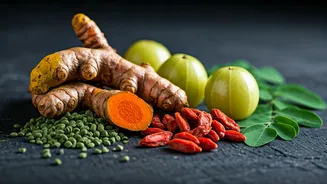
While perhaps less famous than turmeric or ghee, moringa (the drumstick tree) is rapidly gaining superfood status. Every part of this 'miracle tree' is packed with nutrients, but it’s the leaves that are getting the most attention. Dried and ground into a fine powder, moringa leaves deliver a powerful punch of vitamins, minerals, and plant-based protein. It has been used in traditional medicine across South Asia to combat malnutrition and treat various ailments. Now, the global wellness industry is marketing it as a competitor to kale and spirulina, perfect for adding a nutrient boost to green juices, soups, and energy bars. Its rise shows that the Indian subcontinent is a treasure trove of wellness wonders still waiting to be discovered by the rest of the world.