
What is Upcycled Terracotta?
Upcycling is the art of turning discarded materials into something new and often more valuable. When applied to terracotta, it means looking beyond a simple pot. Think of broken tiles, chipped planters, or old bricks being given a new lease on life. This
isn't just about reusing; it's about reimagining. A fractured pot can be pieced back together with golden seams, inspired by the Japanese art of Kintsugi, or fragments can be used to create a beautiful mosaic on a tabletop or a piece of wall art. This approach transforms waste into unique, story-filled decor that adds character a brand-new item simply can't match.
The Unmistakable Warmth of 'Baked Earth'
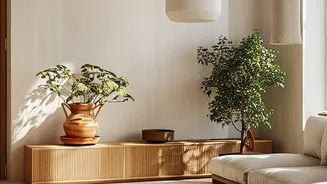
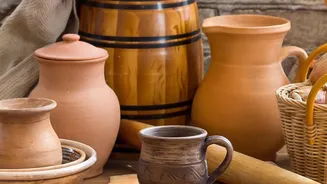
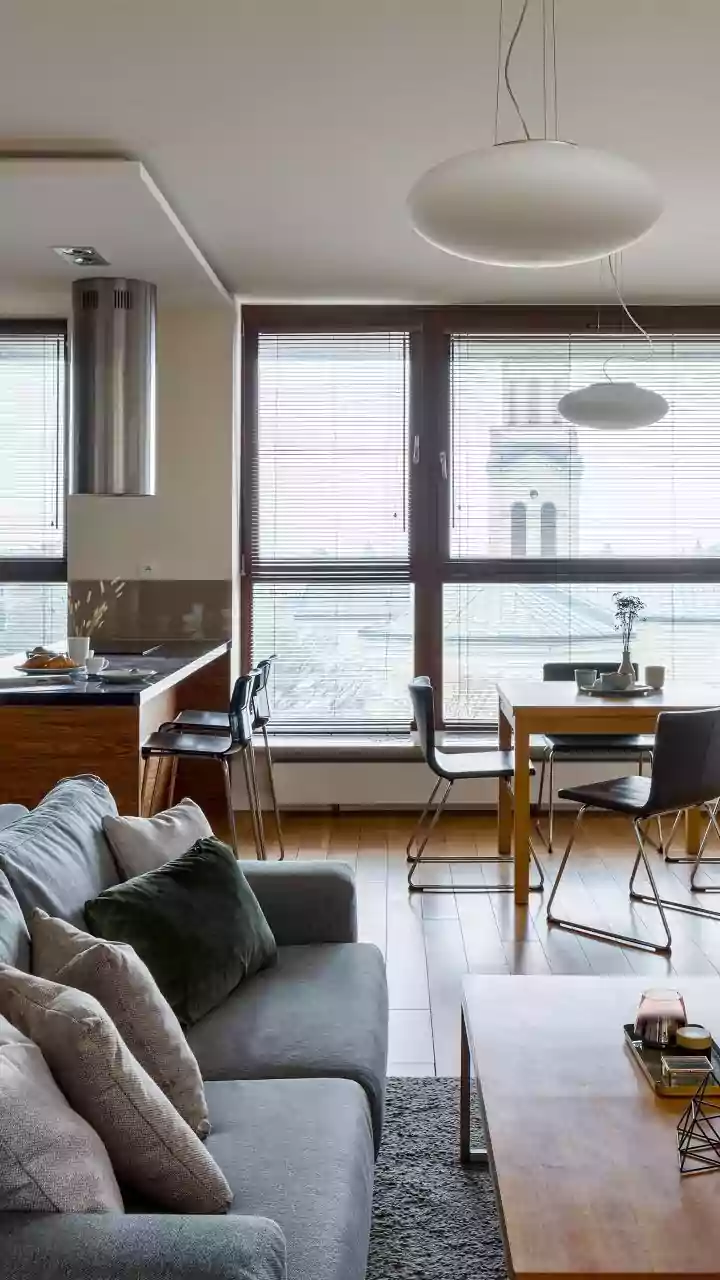
Terracotta, which translates to 'baked earth' in Italian, brings a natural, rustic warmth that few other materials can replicate. Its signature reddish-brown hue is inherently inviting and has a calming effect, making any space feel more grounded and cosy. In urban flats, which can often feel dominated by glass, metal, and cool-toned minimalism, terracotta provides a much-needed textural and visual contrast. Its porous, slightly rough surface adds a layer of organic depth that softens modern lines and makes a home feel lived-in and welcoming. This earthy element connects your indoor space to the natural world, a key principle of biophilic design that is known to improve well-being, especially in city environments with limited green space.
A Smart and Sustainable Choice
Choosing upcycled terracotta is a powerful statement in sustainable living. The construction and design industries are major contributors to global carbon emissions, making conscious material choices more important than ever. By upcycling, you are diverting waste from landfills and reducing the demand for new manufacturing, which consumes significant energy and resources. Terracotta itself is a natural, biodegradable material made from clay. When you choose to give an old piece a new purpose, you are participating in a circular economy, a core tenet of modern eco-friendly design that prioritizes repair and reuse over replacement. This philosophy aligns with a growing desire among Indian homeowners for spaces that are not just beautiful, but also responsible.
Perfectly Suited for Compact Urban Homes
One of the greatest advantages of terracotta is its versatility, which shines in smaller living spaces. You don’t need large pieces to make an impact. Small terracotta planters can introduce greenery without taking up precious floor space, especially when placed on windowsills or in vertical gardens. Broken pieces can be fashioned into unique coasters or decorative murals. The material also has practical benefits; its porous nature helps regulate humidity by absorbing and slowly releasing moisture, which can contribute to a healthier indoor environment. Furthermore, its warm tones can make a room feel more intimate and inviting, a welcome effect in any apartment.
How to Incorporate Upcycled Terracotta
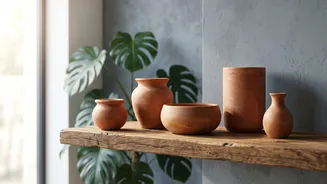
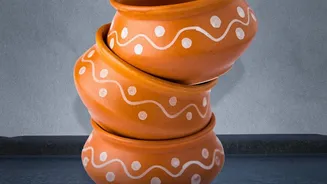
Getting started is easier than you think. Begin by looking for opportunities to salvage. Do you have a cracked pot in your balcony? Don't throw it out. Use it as a base for a miniature fairy garden or as a unique planter for succulents that thrive in shallow soil. Collect smaller fragments to create a mosaic tray or to decorate the border of a plain mirror. You can also look for pre-loved items at local markets or online. An old terracotta lamp base can be rewired, or mismatched tiles can become a unique backsplash in your kitchen. Even simply grouping a collection of small, aged terracotta pots of varying sizes on a shelf can create a powerful and stylish focal point that tells a story of reuse and beauty.