




A Kingdom Reclaimed
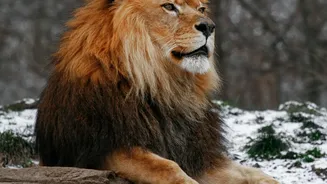
For decades, the entire wild population of Asiatic lions was confined to Gir National Park. This left the species dangerously vulnerable to extinction from a single epidemic or natural disaster. The 2018 Canine Distemper Virus outbreak, which killed dozens
of lions in Gir, was a stark warning. In response, 'Project Lion' identified the Barda Wildlife Sanctuary, about 100 km from Gir, as the prime location for a second, separate population. The project became a reality in January 2023, when a male lion naturally migrated to the area. The Gujarat Forest Department followed this by introducing five females, and by 2026, a small but growing pride of 17 lions now calls Barda home. This milestone is not just a backup plan; it's a crucial step towards ensuring the long-term survival of a national treasure.
More Than Just a Lion Refuge
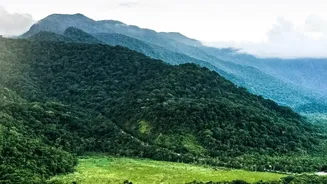
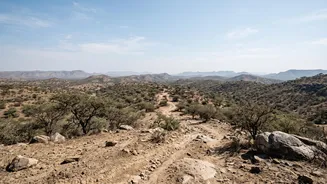
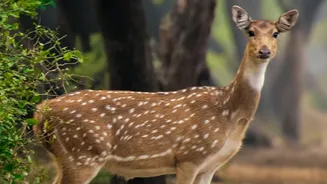
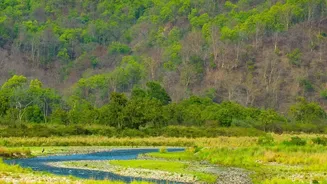
Barda is far more than an empty stage for the lions. The 192-square-kilometre hilly forest is a rich ecosystem in its own right, supporting leopards, hyenas, and herbivores like nilgai and wild boar. It boasts around 650 plant species, including many with medicinal properties. For the surrounding region, its hilly terrain acts as a crucial natural barrier, preventing salinity from the nearby coast from encroaching on agricultural lands. However, the ecosystem that lions are returning to is a fragile one. Historically, key prey species like spotted deer (chital) and sambar were locally extinct. The Forest Department has been actively working to restore the balance, translocating prey from other areas and establishing breeding centres within Barda to build a sustainable food source for its new predators.
The Pressure of Human Presence
The return of lions brings Barda into the national spotlight, but this newfound fame comes with challenges. The headline's call to 'check' visitor access points to a complex web of human pressures that could undermine this delicate conservation project. These pressures are not just about tourism. The sanctuary is home to several pastoralist communities. Reports show that domestic cattle already form a part of the lions' diet, highlighting potential for human-wildlife conflict. Furthermore, the sanctuary has faced issues with encroachment, including illegal cultivation and the installation of electrified fences, which directly destroy the habitat the lions need. In May 2025, the forest department had to undertake a major drive to clear such encroachments. Unregulated access, whether for tourism, grazing, or settlement, fragments the habitat and increases disturbances that could prevent the lion population from becoming truly self-sustaining.
Finding the Right Balance
Managing visitor access isn't about sealing Barda off from the world. Instead, it's about implementing a thoughtful, regulated approach. The Gujarat Forest Department has already initiated some ecotourism measures, including a 'Barada Jungle Safari' with trained local guides, which aims to generate local employment and raise conservation awareness. A planned safari park was also announced in 2025. The key will be to ensure these initiatives are low-impact and strictly controlled. Success will depend on creating a comprehensive management plan that clearly defines where and when visitors are allowed, secures the sanctuary's boundaries against encroachment, and continues the vital work of restoring the natural prey base to reduce conflict with local communities. The goal is to create a model where conservation and community livelihoods support each other, ensuring Barda remains a safe haven for wildlife for the next 144 years and beyond.