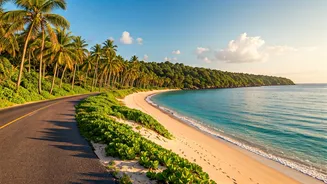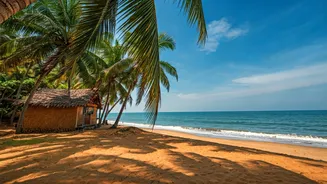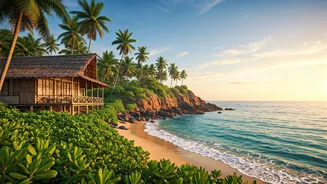





The New Digital Nomad
Forget the fleeting two-day trip. The new defining trend along the Konkan coastline, from the bustling lanes of North Goa to the quiet fishing villages of Maharashtra, is the rise of the long-term stay. Spurred by the widespread adoption of remote and
hybrid work models, a growing number of Indians are packing more than just their swimsuits. They are packing their laptops, their work-from-home setups, and their ambitions, transforming holiday homes into temporary offices. These are not tourists in the traditional sense; they are temporary residents. They are software developers finalising code with their feet in the sand, marketing managers taking client calls from a garden overlooking the Arabian Sea, and entire families blending school projects with seaside exploration.
Why Now? The Perfect Storm
This surge is no accident. It’s the result of a 'perfect storm' of factors. The primary driver is, of course, the pandemic-induced normalisation of remote work, which has untethered millions from their physical offices. Companies, having seen that productivity can be maintained from afar, are now more flexible. This has given employees the freedom to ask, “If I can work from anywhere, why not work from somewhere beautiful?” Simultaneously, there's a growing fatigue with urban life—the pollution, the traffic, the concrete jungles. The Konkan coast offers a compelling antidote: cleaner air, a slower pace of life, and a deeper connection with nature, all without sacrificing professional commitments. The result is a 'workation' boom that feels less like a trend and more like a permanent lifestyle shift for a significant segment of the population.
A Boost for Local Economies
This influx of long-term visitors is proving to be a significant economic boon for local communities. Unlike weekend tourists who bring a short, sharp burst of revenue, these 'slow travellers' offer a more stable, sustained income stream. Homestay owners, villa renters, and small guesthouse operators are the primary beneficiaries. They are seeing higher occupancy rates, even during the traditional off-season. This steady demand is also creating a ripple effect. Local restaurants, grocery stores, scooter rental shops, and service providers like laundry and cleaning services are all benefiting from having a larger, more consistent resident population. Many property owners are now pivoting their business models, upgrading their facilities with high-speed internet, dedicated workspaces, and power backup to cater specifically to this discerning, long-stay clientele.
Beyond Goa: New Hotspots Emerge
While Goa remains the undisputed champion of the workation movement, the trend is radiating outwards along the entire Konkan belt. Coastal towns in Maharashtra that were once sleepy weekend destinations are now experiencing their own mini-booms. Alibaug, with its easy ferry access from Mumbai, has become a premier destination for long-term luxury villa rentals. Further south, places like Murud, Ganpatipule, and Vengurla are attracting those seeking even quieter, more rustic experiences. In Karnataka, the stretch from Karwar to Gokarna is also gaining popularity. This diversification is healthy, spreading the economic benefits more widely and preventing the overcrowding of a single location. It also offers travellers more choice, from the vibrant party-and-work scene of North Goa to the meditative solitude of a lesser-known Maharashtrian beach.
Challenges on the Horizon
However, this rapid transformation is not without its challenges. The surge in demand is putting pressure on local infrastructure, particularly water and electricity supplies in smaller villages. There are growing concerns about the environmental impact and the potential for unchecked development to spoil the very beauty that draws people in. For locals, the influx can be a double-edged sword. While it brings economic opportunity, it can also lead to a rising cost of living, traffic congestion, and a subtle erosion of local culture. Striking a balance between encouraging this new form of tourism and preserving the ecological and cultural integrity of the Konkan coast will be the key challenge for local authorities and communities in the years to come.