



The Right Footwear for Slippery Trails
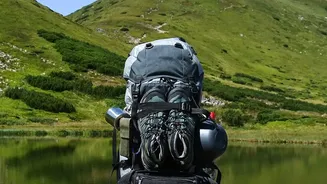
Your most crucial piece of gear is your footwear. Monsoon trails are notoriously slippery, muddy, and often teeming with leeches. Invest in a pair of high-quality trekking shoes with deep grooves for excellent grip and good ankle support to prevent injuries.
While waterproof shoes sound ideal, many experienced trekkers prefer water-resistant, quick-drying shoes that allow your feet to breathe. Whatever you choose, ensure they are well broken-in. Also, pack a pair of leech-proof socks; these are essential in many parts of the Western Ghats and Himalayas.
Smart Clothing Choices: Ditch the Cotton
When it comes to monsoon hiking, your choice of fabric is everything. Cotton is a major mistake, as it absorbs moisture, gets heavy, and takes forever to dry. Instead, opt for synthetic, quick-drying materials like polyester or nylon for your t-shirts and trekking pants. Pack at least two pairs of quick-dry pants and several t-shirts. Even on a rainy day, it can get cold, especially at higher altitudes or in the evening, so carrying a fleece jacket for insulation is a wise move.
Essential Rain Protection
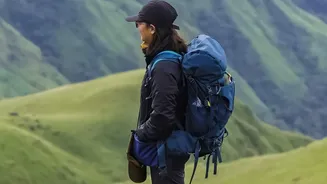
Your first line of defense against a downpour is your rainwear. You have two main options: a rain jacket and rain pants, or a poncho. A good waterproof and breathable jacket-and-pants combo offers great mobility. A poncho is a more budget-friendly option that can be quickly thrown over both you and your backpack, offering excellent ventilation. For occasional trekkers on easier trails, a poncho is often sufficient. A sun cap worn under your hood is a clever trick to keep rain from dripping onto your face and obscuring your vision.
Protecting Your Backpack and Gear
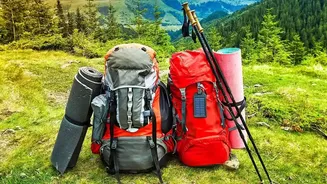
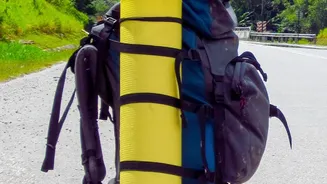
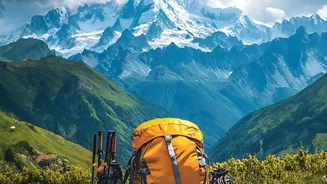
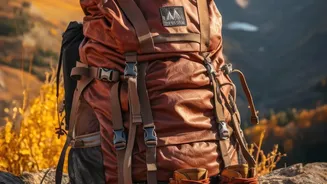
Keeping your gear dry is non-negotiable. Even waterproof backpacks can fail during hours of sustained rain. The best strategy is a two-layer defense. Use a waterproof rain cover on the outside of your rucksack. For the inside, use dry sacks or heavy-duty plastic bags to compartmentalize your belongings, especially your clothes, electronics, and first-aid kit. This ensures that even if some moisture seeps into your bag, your most important items remain completely dry.
Safety and First-Aid Kit
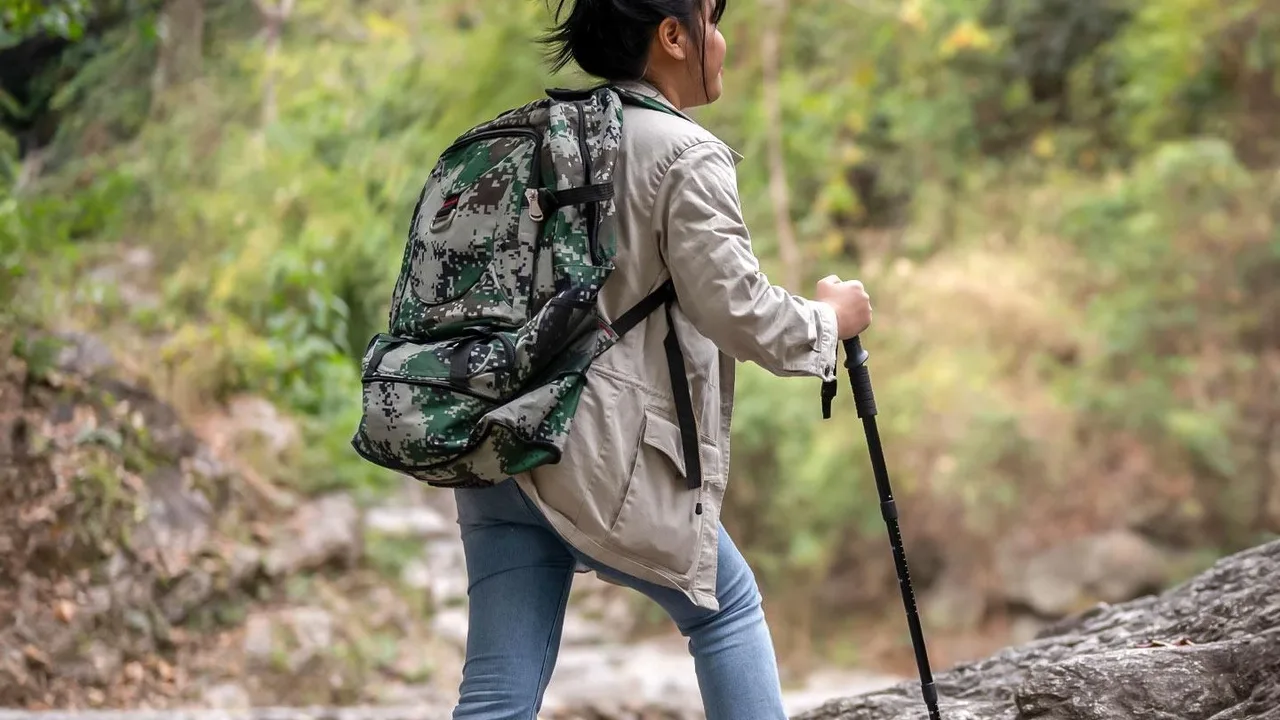
A well-stocked first-aid kit is essential for any trek, but the monsoon requires a few specific additions. Your kit should include antiseptic wipes, bandages, pain relievers, blister tape, and any personal medications. For the monsoon, add salt or a sanitiser to help with leeches, as well as an insect repellent. Trekking poles are highly recommended; they provide extra stability on slippery descents and reduce the strain on your knees. A headlamp or torch is also crucial, as heavy cloud cover can reduce visibility even during the day.
Hydration and High-Energy Snacks
It might seem counterintuitive when surrounded by water, but staying hydrated is crucial. The humidity can make you sweat more than you realise. Carry at least two litres of water. Additionally, pack high-energy, non-soggy snacks like nuts, energy bars, and dried fruit. These are easy to eat on the move and provide the fuel you need to navigate challenging terrain. Avoid carrying snacks that can spoil or turn into a mushy mess in the damp conditions.