
The End of the Checklist Tour
For decades, international travel for many Indians meant a whirlwind tour of famous sights: a photo with the Leaning Tower of Pisa, a glimpse of the Mona Lisa, a quick stop at Times Square. While these landmarks still hold their allure, a significant
shift is underway. Today’s traveller, particularly millennials and Gen Z, is increasingly seeking more than just a photo opportunity. They are chasing experiences that are active, not passive. The idea of being herded from one monument to the next feels impersonal and outdated. The new luxury isn't just about seeing a place; it's about feeling it, participating in its culture, and coming back with a story that’s uniquely theirs. This desire for deeper engagement has found its perfect match in the world of international festivals. Travel companies report that today's traveller craves authentic, immersive experiences that connect them with local traditions.
A Hunger for Immersive Experiences
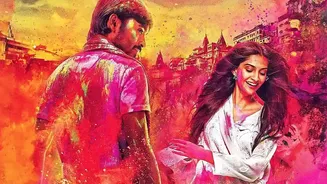
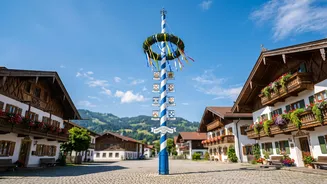
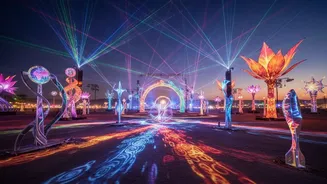
Why stand behind a rope barrier when you can be in the middle of the action? That’s the question driving many to plan their trips around events like Spain’s La Tomatina or Thailand’s Songkran water festival. These are not spectator sports; they are invitations to participate. International festivals offer a sensory overload that sightseeing often lacks. It’s the energy of the crowd at Tomorrowland in Belgium, the communal joy of raising a stein at Oktoberfest in Germany, or the dazzling spectacle of the Rio Carnival in Brazil. According to travel industry experts, this pivot reflects a broader movement towards travel that is enriching and memorable. These events provide a powerful hook, transforming a simple trip into a lifelong memory and offering a genuine connection to a place and its people.
The Social Media Factor
It’s impossible to discuss modern travel without mentioning social media. Platforms like Instagram and YouTube have become the new travel brochures, and they have profoundly altered how Indians plan their holidays. A perfectly composed photo of a monument is one thing, but a reel capturing the chaotic, colourful fun of a global festival tells a far more compelling story. This visual, narrative-driven content fuels a powerful fear of missing out (FOMO) and inspires others to seek out similar unique moments. Studies show that an overwhelming majority of young travellers use social media for travel inspiration. Festivals, with their vibrant aesthetics and high-energy atmosphere, are perfectly suited for creating the kind of unique, shareable content that stands out in a crowded feed of tourist clichés.
Curated Convenience
The logistics of planning a trip to a foreign festival can be daunting, from securing tickets to finding accommodation during peak season. Recognizing this hurdle, the travel industry has swiftly adapted. Many companies now offer curated, hassle-free festival packages. These 'travel for a reason' itineraries bundle flights, hotels, festival passes, and even local cultural excursions, making these once-in-a-lifetime experiences more accessible than ever. For example, the number of Indian visitors to Germany's Oktoberfest has seen a significant increase, evolving from a niche interest to a major attraction partly because it's now easier to book as part of a complete package. This removes the planning friction, allowing travellers to focus on the experience itself.
More Than Just a Party
While the fun is undeniable, the appeal of festival tourism goes deeper than just a good time. For many, it's about finding a sense of community. In an increasingly digital world, these events offer a rare opportunity to connect with thousands of like-minded people from across the globe, sharing a collective, high-energy moment. This search for belonging and shared joy is a powerful motivator. A report from Skyscanner revealed that 46% of Indian travellers have already journeyed internationally for a cultural event, with another 43% aspiring to do so. It represents a shift in priorities: memories are becoming more valuable than monuments, and the feeling of participation is more coveted than the act of observation.