


A Tale of Two Tests
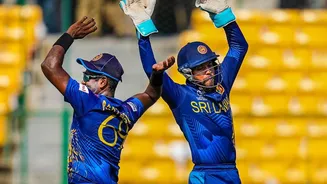
The tour of Sri Lanka in August 2026 was a study in contrasts, ultimately ending in a 1-0 series win for India under Shubman Gill. The first Test at Galle saw a commanding performance from the visitors, resulting in a decisive 165-run victory. However,
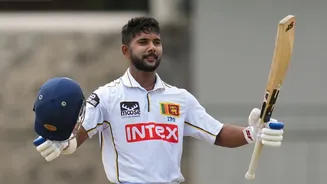
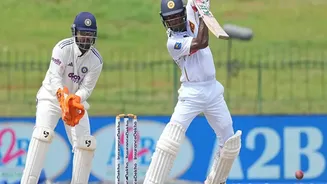
the second Test in Colombo told a different story. Despite India posting a massive first-innings total of 503/9 declared and enforcing the follow-on, a determined Sri Lankan side, led by the prolific Sonal Dinusha, battled to a hard-fought draw. This result, while securing the series for India, highlighted the challenges of closing out matches in tough conditions and denied the team a clean sweep. The drawn match also created an unwanted record for Gill, as he became the first Indian captain to not win a Test after enforcing the follow-on.
The Captain's Contribution With the Bat
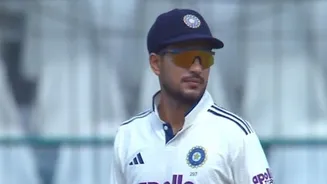
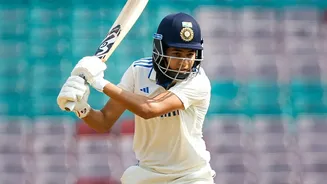
A captain is often judged by their ability to lead from the front, and Gill's batting was under the microscope. In the second Test, he contributed a solid half-century, scoring 50 runs in India's mammoth first innings. This innings was crucial in setting up the team's dominant position. Throughout the series, Gill surpassed the milestone of 3,000 career runs in Test cricket, a significant achievement for the young leader. However, the tour was not without its challenges. His returns in the first Test were more modest, with scores of 16 and 8. While one quiet match is hardly a cause for alarm, it did cause his Test captaincy average to dip, demonstrating the volatile nature of batting statistics. Consistency remains the benchmark, and this series provided a mixed but ultimately successful chapter in his batting record as skipper.
Numbers Behind the Narrative
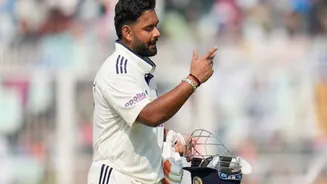
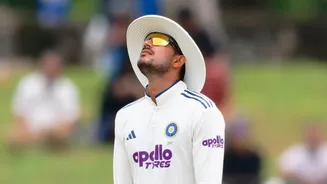
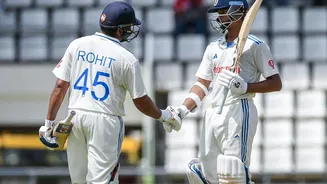
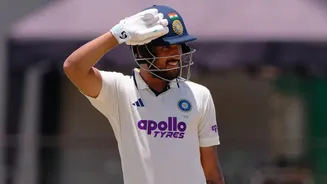
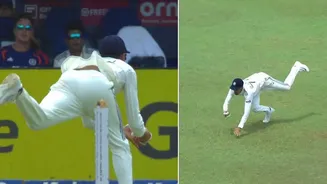
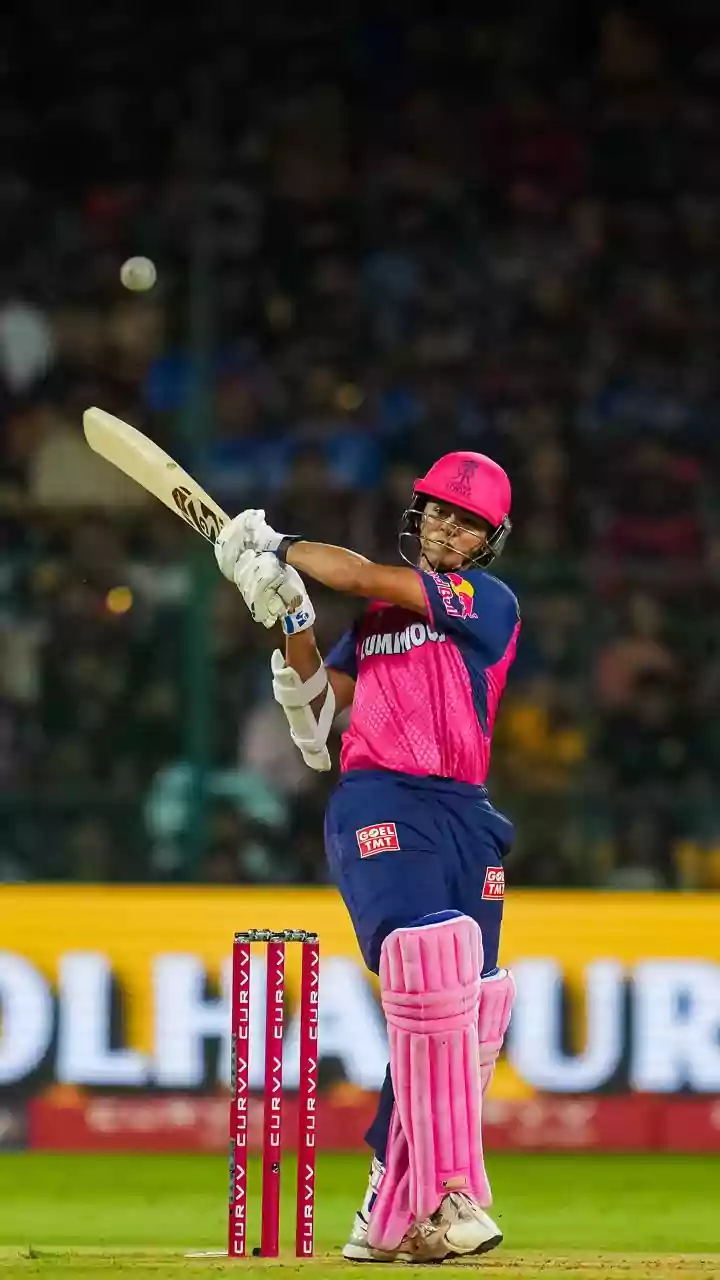
Beyond individual scores, the broader team statistics paint a picture of India's performance under Gill. The series win was built on strong batting displays from the entire lineup. In the first Test, Devdutt Padikkal scored his maiden Test century. In the second Test, Padikkal (117) and wicketkeeper Dhruv Jurel (115) both scored centuries, while Rishabh Pant added a vital 63. This collective effort allowed Gill to declare at a formidable 503. On the bowling front, the Indian attack, led by spinners like Manav Suthar and Ravindra Jadeja, was largely effective, though they were thwarted by a resilient Sri Lankan lower order in the final innings of the tour. Suthar was the series' leading wicket-taker with 16 scalps. The inability to take the final wickets in Colombo was a key learning moment, demonstrating that even with a huge lead, victory in Test cricket is never guaranteed.
Tactical Decisions and Leadership Style
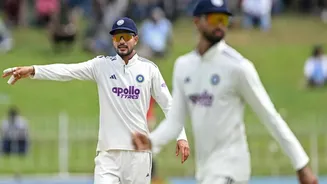
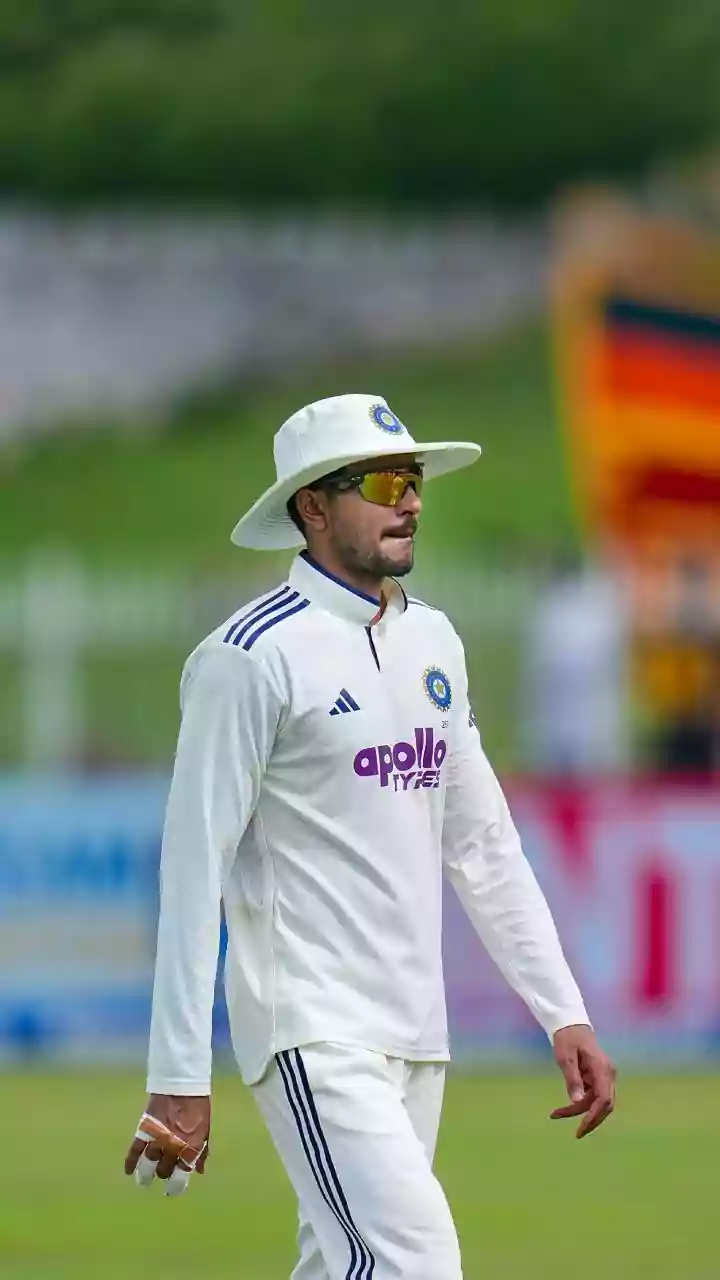
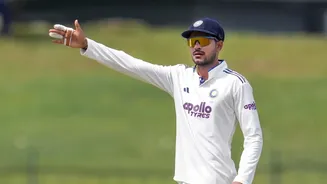
Gill's decision to enforce the follow-on in the second Test was a major talking point. It was an aggressive move, signalling a clear intent to push for a 2-0 series whitewash. While it didn't result in a win, Gill stood by his decision post-match, crediting the Sri Lankan batsmen for their resilience and pointing to the slow, low nature of the pitch which made it difficult for his bowlers. This willingness to take a calculated risk, even if it doesn't pay off, is a key indicator of his proactive captaincy style. Throughout the series, his field placements and handling of the bowling attack were observed closely. The experience in Colombo, where India's bowlers were frustrated for long periods, will serve as a crucial lesson in managing resources and expectations on unresponsive surfaces.